
Are you tired of sleeping on a mattress that sits directly on the floor? Or perhaps you’re looking to add a touch of personal style to your bedroom with a DIY project?
Building your own full bed frame might be the perfect solution for you! Not only will it give your room a polished look, but it can also save you money and provide a sense of accomplishment. Imagine the satisfaction of lying down on a bed you crafted with your own hands.
This guide will walk you through the steps to create a sturdy and stylish bed frame, using materials that are easy to find and simple to work with. You’ll discover tips and tricks that make the process smooth and enjoyable, ensuring your bed frame is both functional and visually appealing. Dive into this article to unlock the secrets of building a full bed frame and transform your sleeping space into a personal haven.
Choosing Materials
Choosing the right materials is essential for building a sturdy full bed frame. Opt for durable wood or metal to ensure long-lasting support. Consider the weight and finish to match your bedroom decor.
Choosing the right materials for your full bed frame is the foundation of a successful DIY project. The materials you select will affect the durability, aesthetic, and cost of your bed frame. Consider your personal style, budget, and environmental impact when making your decision.
Wood Types
Wood is a timeless choice for bed frames, offering warmth and versatility. Oak, maple, and cherry are popular hardwood options known for their strength and durability. Softwoods like pine and cedar are more affordable and easier to work with, though they might require extra care to avoid dents and scratches. When selecting wood, think about the finish you want. Do you prefer a natural, rustic look, or something more polished? Keep in mind that hardwoods are generally more expensive but last longer, while softwoods can be more budget-friendly.
Metal Options
If you’re drawn to a modern or industrial aesthetic, metal could be the material for you. Steel and iron are common choices, providing a sleek look and robust support. They can be more challenging to work with if you lack the necessary tools or experience. Metal frames are often easier to assemble and disassemble, making them a good option for those who move frequently. Consider the finish—powder-coated metals can offer added protection against rust and wear.
Sustainable Choices
For environmentally-conscious builders, sustainable materials can be a great option. Reclaimed wood not only adds character but also reduces waste. Bamboo, though technically a grass, is a fast-growing renewable resource that offers a unique look and is incredibly strong. Think about how your choices affect the environment. Are you willing to invest a bit more for peace of mind and sustainability? Knowing your bed frame is eco-friendly can add a layer of satisfaction to your project. Choosing the right materials is more than just a practical decision—it’s an opportunity to express your personal style and values. What story do you want your bed frame to tell?
Tools Needed
Building a full bed frame requires basic tools like a saw, drill, measuring tape, and screwdriver. Sandpaper helps smooth edges, while a level ensures stability. Ensure you have wood glue and screws for secure joints.
Building a full bed frame can be an exciting DIY project. Understanding the tools needed is crucial for success. With the right equipment, assembling your bed frame becomes simpler and more enjoyable. Here’s a guide on the essential tools needed to construct a bed frame.
Basic Hand Tools
- Hammer:A hammer is essential for driving nails and securing pieces.
- Screwdriver:Use a screwdriver to tighten screws effectively.
- Measuring Tape:Accurate measurements ensure your bed frame fits perfectly.
- Level:A level helps maintain straight and even surfaces.
- Wrench:Tighten bolts securely with a wrench.
Power Tools
- Drill:A drill speeds up the process of making holes.
- Saw:Cutting wood is easier with a power saw.
- Sander:Smooth the wood surfaces with a sander.
Safety Gear
- Safety Goggles:Protect your eyes from flying debris.
- Gloves:Wear gloves to protect your hands from sharp tools.
- Dust Mask:A mask prevents inhalation of sawdust.
Equipped with these tools, you are ready to start building your bed frame. Always ensure safety first, and enjoy the process of creating your very own bed.
Designing The Frame
Designing the Frame involves choosing sturdy materials and measuring accurately for a full bed frame. Assemble the parts following clear instructions to ensure stability and comfort. Sand and finish for a smooth, polished look.
Designing the frame is the first step in building a full bed frame. This stage is crucial as it sets the foundation for your project. A well-thought-out design ensures that your bed is both functional and aesthetically pleasing. Consider the space available, style preferences, and the overall structure you envision. Let’s dive into the key aspects of designing your bed frame.
Dimensions And Measurements
Accurate measurements are vital for a perfect fit. Begin by measuring your mattress to determine the frame size. Remember to allow extra space for bedding. Consider the room’s size to ensure your bed fits comfortably. Measure the height you desire for the bed frame. This can affect storage options underneath. Take note of any additional features, like headboards or footboards, that may require extra space.
Style Preferences
The style of your bed frame should match your room’s decor. Decide if you want a modern, rustic, or traditional look. Choose the materials that fit your style preference. Wood offers a classic feel, while metal can be more contemporary. Consider the color scheme of your room. The frame should complement or contrast tastefully with other furniture.
Sketching Plans
Sketching your design helps visualize the final product. Draw a rough outline of the bed frame, including dimensions. Label each part clearly to avoid confusion later. Use graph paper for accuracy and proportion. Include details like joints, supports, and decorative elements. This sketch serves as a guide during construction, ensuring you stay on track.
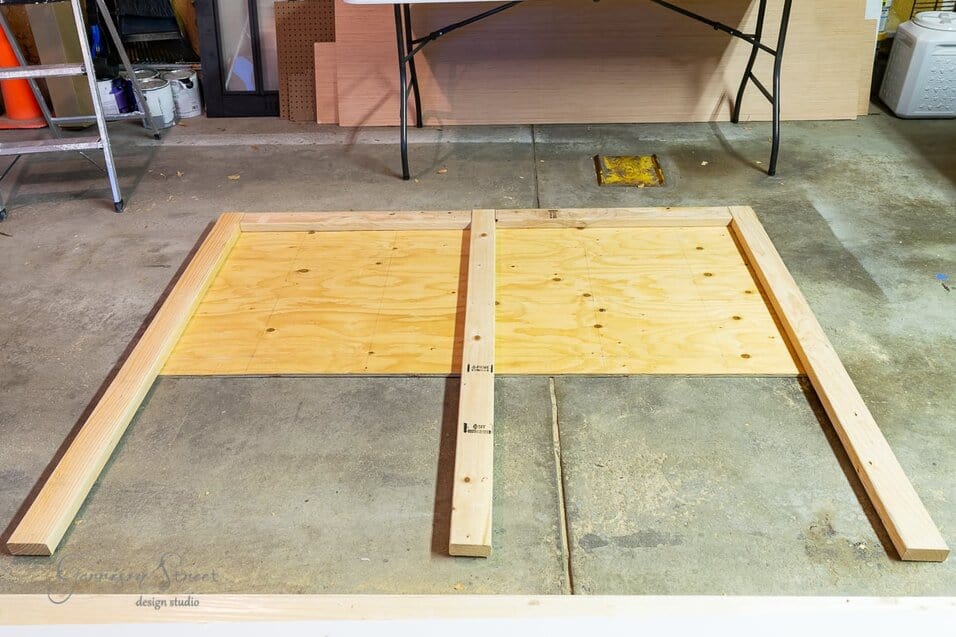
Credit: garrisonstreetdesignstudio.com
Cutting Components
Cutting components accurately is essential for building a sturdy full bed frame. Measure and mark each piece carefully to ensure precise cuts. Use quality tools for smooth and exact edges.
Cutting components is a crucial step in building a full bed frame. It requires precision and attention to detail. By focusing on accurate measurements and smooth finishes, you can ensure a sturdy and attractive bed frame. Let’s dive into the specifics of cutting components effectively.
Measuring Wood Panels
Accurate measurements are the backbone of any successful project. Begin by measuring the wood panels you’ll use for your bed frame. Make sure to double-check your measurements to avoid costly mistakes. Use a reliable tape measure and mark the dimensions clearly. Consider using a pencil for easy adjustments. If you have a measuring guide or jig, it can help you maintain consistency across all pieces.
Saw Techniques
Choosing the right saw and mastering its technique can significantly impact your project. A circular saw is typically a good choice for straight cuts. If you need more precision, a miter saw can help with angles and bevels. Remember to wear safety goggles and gloves. Ensure your saw blade is sharp to make clean cuts. Practice on scrap wood if you’re new to using a saw. This will build your confidence and skill before tackling the main pieces.
Sanding Edges
Once your pieces are cut, sanding the edges is essential for a smooth finish. It helps to prevent splinters and gives your bed frame a polished look. Start with a coarse grit sandpaper and work your way to a finer grit. Consider using an electric sander for efficiency. Pay extra attention to corners and edges, as these are often touched and need to be smooth. Take your time, as rushing can lead to uneven surfaces. By focusing on these steps, you ensure that your bed frame components are well-prepared for assembly. What techniques have you found most effective when cutting wood for projects?
Assembling The Frame
Begin by laying out all the parts on the floor. Connect the side rails to the headboard and footboard. Ensure each joint is tight and secure for stability.
Building a full bed frame can be a rewarding DIY project that combines creativity and functionality. Assembling the frame is where your handiwork takes shape, transforming raw materials into a sturdy structure that will support restful nights. This phase requires attention to detail and a bit of patience, but the end result is worth every effort. Let’s dive into the key techniques and tips to ensure a seamless assembly process.
Joining Techniques
Understanding the best joining techniques can make all the difference in the stability of your bed frame. Mortise and tenon joints are classic options that provide strong connections, especially for wooden frames. Alternatively, using metal brackets can offer a modern touch while ensuring durability. Consider the tools you have at hand and the type of wood or metal you’re working with to choose the most effective method. If you’ve ever assembled furniture, you know the satisfaction of hearing that perfect ‘click’ or ‘snap’ when parts fit together seamlessly. Which technique do you trust the most?
Securing With Screws
Screws are the backbone of any sturdy assembly, so selecting the right type is crucial. Choose screws that match your materials—wood screws for wooden frames and machine screws for metal parts. Pre-drilling holes can prevent splitting and make insertion easier. Use washers for added stability, especially in areas subject to pressure, like where the slats meet the side rails. Have you ever thought about how much difference the length of a screw can make? A small change in size can significantly impact the strength and longevity of your bed frame.
Aligning Components
Proper alignment is key to ensuring your bed frame is both stable and visually appealing. Use clamps to hold pieces together as you work, which helps maintain alignment and prevent movement. A carpenter’s square can be a handy tool to ensure right angles, which is particularly important for the corners. Imagine lying down on a bed that creaks or wobbles—proper alignment is what prevents these nuisances, ensuring a peaceful sleep every night. Are you ready to make your bed frame a masterpiece of precision?

Credit: www.reddit.com
Installing Support Slats
Installing support slats ensures stability for the bed frame. Align slats evenly across the frame for balanced support. Secure each slat with screws to prevent movement and enhance durability.
Building your own full bed frame is a rewarding DIY project that not only saves you money but also allows you to customize your furniture to your liking. One critical step in this process is installing support slats, which provide the necessary foundation for your mattress. Without properly installed slats, your bed might sag or wobble, compromising both comfort and durability.
Spacing For Stability
Proper spacing between slats is crucial for the stability of your bed frame. Ideally, you should aim for a gap of about 2 to 3 inches between each slat. This spacing ensures that the mattress is adequately supported while allowing for proper air circulation. Consider the type of mattress you have. Memory foam mattresses, for example, may require closer spacing to prevent sagging. Measure your mattress and adjust the slat spacing accordingly to ensure optimal support.
Fixing Slats Securely
Securing the slats is essential for a sturdy bed frame. Use screws to attach each slat firmly to the side rails. This prevents any movement or noise when you shift positions on the bed. If you want a little extra assurance, you can add a drop of wood glue before screwing in the slats. This double layer of security ensures your slats remain in place for years.
Alternative Support Methods
Not all bed frames require traditional wooden slats. Depending on the design, you might consider using metal slats or a bunkie board for support. Metal slats are durable and can offer a modern touch to your bed frame. Bunkie boards are an excellent option if you prefer a solid base without gaps. They are especially useful for foam mattresses, providing consistent support across the entire surface. Choose the method that best suits your style and mattress needs. As you embark on this DIY journey, remember that the details matter. Have you considered all the factors that could affect your bed’s comfort and longevity? Taking the time to install support slats correctly can make a world of difference in your sleeping experience.
Adding Finishing Touches
Attach the headboard and footboard securely for stability. Choose a mattress that fits snugly within the frame. Ensure all screws and bolts are tightly fastened for safety and durability.
Adding finishing touches to your full bed frame completes its look. This step transforms a simple structure into a stylish piece. These elements not only enhance beauty but also protect the wood. Your choice can reflect your personal style or match the room decor.
Painting Or Staining
Choosing between paint or stain is crucial. Paint offers bold colors and a sleek finish. It can hide flaws and give a modern look. Staining keeps the wood’s natural beauty visible. It highlights the grain and adds warmth. Consider your room’s theme before deciding.
Decorative Elements
Decorative elements bring personality to your bed frame. You can add carved designs for elegance. Metal accents provide a contemporary feel. Upholstery offers comfort and style. Choose elements that resonate with your aesthetic. They should complement the bed frame without overpowering it.
Protective Coatings
Protective coatings preserve your bed frame’s quality. Use a sealant to guard against moisture and scratches. Varnish adds a glossy finish and enhances durability. Wax provides a soft sheen and is easy to apply. These coatings ensure your bed frame remains beautiful for years.

Credit: www.youtube.com
Ensuring Structural Integrity
Ensuring structural integrity involves selecting the right materials and tools. Secure joints tightly to prevent wobbling. Use sturdy wood and screws for long-lasting support. Regular checks and maintenance keep the bed frame strong.
Ensuring the structural integrity of your full bed frame is crucial. A sturdy frame provides safety and longevity. This section guides you on how to make sure your bed frame is strong and reliable.
Testing Stability
Check the frame’s stability before using it. Apply pressure on different parts to see if it wobbles. Sit and gently move to test its firmness. If it shakes or shifts, adjustments are needed. A stable frame prevents noise and damage.
Reinforcing Weak Points
Identify any weak points in the frame. These could be loose joints or connections. Use brackets or metal plates to strengthen these areas. Tighten screws and bolts regularly. Reinforcements ensure the frame holds up well over time.
Regular Maintenance Tips
Keep your bed frame in top condition with regular maintenance. Dust the frame to prevent buildup. Check and tighten all screws every few months. Inspect for any signs of wear or damage. Replace any worn parts promptly to maintain integrity. Regular care extends the life of your bed frame.
Frequently Asked Questions
Is It Cheaper To Build My Own Bed?
Building your own bed can be cheaper if you source materials wisely. Compare costs of wood, tools, and hardware. DIY beds save labor costs, but you must invest time and effort. Consider design complexity and skills needed. Evaluate total expenses against purchasing a pre-made bed for cost-effectiveness.
How Do You Assemble A Full-size Bed Frame?
Begin by laying out all parts. Attach the headboard and footboard to the side rails. Secure slats across the frame. Tighten all screws and bolts. Ensure stability by checking connections. Use a mattress and box spring for full assembly. Follow instructions specific to your bed model.
What Type Of Wood Is Best For A Bed Frame?
Oak, maple, and walnut are ideal for bed frames. These hardwoods offer strength, durability, and a timeless look. Pine is a budget-friendly option with good durability. Solid wood ensures longevity and stability. Choose based on your style preference and budget.
Can I Build A Bed Frame By Myself?
Yes, you can build a bed frame yourself. Gather materials like wood, screws, and tools. Follow a simple plan and ensure accurate measurements. This DIY project saves money and allows customization. With basic carpentry skills, your bed frame can be sturdy and stylish.
Conclusion
Creating your own bed frame offers many benefits. You save money. You learn valuable skills. Personal satisfaction follows your hard work. The bed frame reflects your style. Friends admire your craftsmanship. A sturdy frame lasts for years. Comfort is enhanced by your effort.
Building is easier than it seems. Tools, materials, and patience are key. Follow the steps carefully. Enjoy the process. Your bedroom transforms with your creation. Celebrate the achievement. Rest easy on your handmade bed. Now, you have a beautiful space to relax.


