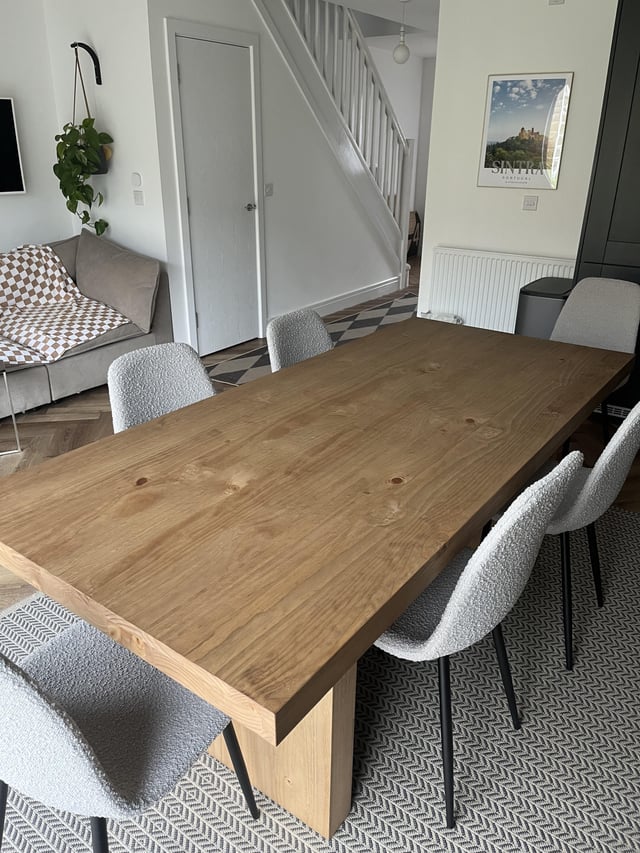
Imagine sitting down at your beautiful wooden dining table, ready to enjoy a meal with family or friends. You notice the rich grain of the wood, the smooth surface, and the warmth it brings to your dining room.
Your dining table is more than just a piece of furniture; it’s the heart of your home, where memories are made and stories shared. But how do you keep it looking its best for years to come? Protecting your wooden dining table doesn’t have to be a daunting task.
With just a few simple steps, you can preserve its beauty and ensure it withstands the test of time. Picture the satisfaction of having a table that looks as good as new, year after year, impressing every guest who walks through your door. This article will reveal the secrets to achieving just that, offering practical tips you can start using today. Are you ready to unlock the full potential of your wooden dining table? Let’s dive in and discover how you can keep it in pristine condition, enhancing your dining experience and elevating the ambiance of your home.

Credit: www.instagram.com
Choosing The Right Finish
Choosing the right finish for your wooden dining table can be a game changer in terms of durability and aesthetics. The finish acts as a protective shield, guarding against scratches, spills, and daily wear. But with so many options available, how do you decide which one is best for your table?
Types Of Finishes
Understanding the different types of finishes is crucial. You can choose from lacquer, varnish, shellac, polyurethane, and oil finishes.
- Lacquer:Known for its hard and glossy finish, lacquer dries quickly and offers excellent protection.
- Varnish:A versatile option, varnish provides a durable, water-resistant layer, ideal for high-use tables.
- Shellac:This natural finish gives a warm, vintage look but might need reapplication over time.
- Polyurethane:Offers a robust protection against water and is available in both oil-based and water-based options.
- Oil Finishes:Enhance wood’s natural beauty and grain, offering a more subtle, matte look.
Benefits Of Each Finish
Each finish comes with unique benefits. Choosing the right one depends on your lifestyle and the table’s use.
- Lacquer:Ideal for a glossy, elegant look. Its quick drying time is a plus if you’re in a hurry.
- Varnish:Perfect for households with kids, as it withstands spills and heavy use.
- Shellac:Great for antique lovers, offering a classic appeal while being easy to apply.
- Polyurethane:Excellent for those needing maximum protection, especially in humid environments.
- Oil Finishes:Perfect if you prefer a natural look and feel, allowing the wood to breathe.
Have you ever found yourself wondering whether that glossy finish is worth the effort? Think about how you use your table daily. Are you hosting dinner parties often or is it more of a family meal spot?
Choosing the right finish isn’t just about protection; it’s about making a statement. Your dining table is more than a piece of furniture—it’s a centerpiece of your home. Let your choice of finish reflect your style and needs.

Credit: www.facebook.com
Routine Cleaning Techniques
Regular dusting keeps your wooden dining table looking its best. Use a soft, damp cloth to wipe away spills promptly. Apply a natural wood polish monthly to maintain its shine and protect the surface.
Routine cleaning techniques keep your wooden dining table looking its best. Regular care helps maintain its natural beauty and extends its life. Here are some effective cleaning techniques to consider.Daily Maintenance
Wipe your table daily with a soft, damp cloth. This removes dust and surface dirt. Avoid using harsh chemicals that can damage the wood. Instead, opt for a mild soap mixed with warm water. Make sure to dry the table with a clean, soft towel after wiping. This prevents water marks and keeps the surface smooth.Weekly Deep Cleaning
Conduct a deeper clean once a week to maintain your table’s shine. Use a gentle wood cleaner or a solution of vinegar and water. Apply it with a soft cloth, moving in the direction of the wood grain. Pay special attention to any stains or sticky spots. Gently rub them with a damp cloth until they disappear. Finish by drying the table thoroughly with a clean towel. This prevents moisture damage and keeps your table looking fresh.Preventing Scratches And Dents
Soft table mats shield surfaces from scratches and dents. Regular polishing maintains the wood’s shine and strength. Use coasters to prevent water rings and heat marks.
Preserving the pristine surface of your wooden dining table requires some care and attention. Scratches and dents not only mar its beauty but can also decrease its lifespan. Protecting your table involves a few simple, yet effective strategies. These measures ensure your dining table remains an elegant centerpiece for years to come.Using Table Mats
Table mats act as a first line of defense against everyday wear and tear. They create a barrier between the table and any objects placed upon it. Consider using mats made from soft materials like cloth or cork. These materials are gentle on wood surfaces and add a touch of style to your dining area. You might even choose mats that complement the color scheme of your dining room for a cohesive look. Think about the times when you’ve unintentionally dragged a plate or slid a glass across the table. A simple table mat could have prevented that unsightly scratch.Handling Heavy Objects
Heavy objects can leave dents that are difficult to repair. When placing such items, lift them instead of dragging them across the table. Make a habit of placing a protective layer underneath heavy decorations or serving dishes. A soft cloth or felt pads can distribute the weight more evenly and reduce the risk of leaving a dent. Reflect on the last time you shifted a heavy vase without thinking. Did you notice the slight indentation it left behind? A small adjustment in how you handle these items can make a significant difference. By incorporating these simple tips into your routine, you can keep your wooden dining table looking as good as new. What habits can you change today to protect your valuable furniture?Managing Spills And Stains
Protect your wooden dining table by using coasters and placemats to prevent spills and stains. Clean spills immediately with a soft cloth to avoid damage. Regularly polish the surface with a gentle wood conditioner to maintain its shine and durability.
Managing spills and stains on your wooden dining table can be a daunting task. However, with the right strategies, you can keep your table looking pristine and elegant for years to come. Whether it’s a glass of red wine tipping over during dinner or a stray splash of sauce, knowing how to handle these mishaps can save you a lot of trouble.Immediate Action Steps
React quickly when a spill occurs. Grab a clean, soft cloth and gently blot the spill to absorb as much liquid as possible. Avoid rubbing, as this can spread the liquid and push it deeper into the wood. For sticky spills like syrup or jam, use a slightly damp cloth to wipe the area gently. Follow up immediately with a dry cloth to prevent any moisture from seeping into the wood. Think about keeping a small emergency kit nearby with essentials like a microfiber cloth and a mild cleaning solution. This makes it easy to tackle spills immediately, preventing them from becoming stubborn stains.Long-term Stain Solutions
Sometimes spills go unnoticed and turn into stains. Don’t panic. A mixture of baking soda and water can work wonders on stubborn spots. Create a paste, apply it to the stain, and let it sit for a few minutes before wiping it off with a soft cloth. For oil-based stains, consider using a solution of equal parts vinegar and water. Apply it with a cloth, then wipe dry. Remember to test any cleaning method on a hidden area first to ensure it won’t damage the finish. Are you using a tablecloth or placemats? They add style and also serve as a protective layer against spills. Regularly rotating them can prevent uneven fading and ensure your table maintains its beauty over time. What strategies have you found effective in keeping your wooden dining table stain-free? Share your tips and join the conversation!Protecting Against Heat Damage
Place coasters or trivets under hot dishes to prevent heat marks. Use tablecloths or mats for extra protection. Regularly apply a protective finish to maintain durability and minimize damage.
Protecting Against Heat Damage Your wooden dining table is often the centerpiece of your home, a place where countless memories are made over shared meals. However, without proper care, heat damage can mar its beauty. Protecting your table from heat is not just about preserving aesthetics, but also about maintaining its functionality and value.Using Heat-resistant Covers
Investing in heat-resistant covers is a simple yet effective way to shield your table from heat damage. These covers come in various materials like silicone, cork, or heatproof fabric, designed to withstand high temperatures. You might think of them as an extra step, but they can save you from permanent marks or discolorations. Imagine placing a hot casserole dish on your table without worrying about leaving a ring or burn mark—peace of mind is worth it.Safe Placement Of Hot Items
Always use trivets or hot pads before placing any hot item directly on your wooden table. This small habit can make a huge difference in preserving your table’s finish. Consider the placement of hot items with care. Are you leaving them too close to the edge where they might accidentally slide off, causing both heat and physical damage? Always ensure a safe distance and stable placement for all hot dishes. By taking these steps, you ensure your table remains as pristine and inviting as the day you brought it home. What other measures have you found effective in protecting your wooden furniture from heat?Humidity And Temperature Control
Controlling humidity and temperature protects wooden dining tables from warping and cracking. Keep indoor levels stable with dehumidifiers or humidifiers. Regularly check and adjust settings to maintain optimal conditions.
Humidity and temperature can greatly affect your wooden dining table. These elements can cause the wood to expand or contract, leading to warping or cracks. Managing indoor conditions can help preserve the beauty and longevity of your table.Ideal Indoor Conditions
Maintaining stable indoor conditions is crucial. Aim for humidity levels between 40% and 45%. This range prevents the wood from absorbing too much moisture. Use a hygrometer to monitor levels accurately. Temperature should be consistent, ideally between 60°F and 72°F. Avoid drastic changes as they stress the wood.Preventing Wood Warping
Warping occurs when wood absorbs excess moisture. Use a dehumidifier in damp seasons. This reduces moisture in the air. In dry seasons, a humidifier can help maintain balance. Keep your table away from direct sunlight. Sunlight can cause uneven drying and fading. Position the table away from heat sources like radiators. Heat can dry out wood, leading to cracks. Regularly apply a protective wood finish. This adds a barrier against moisture and temperature shifts.Regular Inspection And Repair
Regular inspection keeps your wooden dining table in top shape. Spotting early signs of damage prevents costly repairs. Swift action with minor fixes can extend its life.
Regular inspection and repair are vital for the longevity of your wooden dining table. These practices help maintain the beauty and functionality of the table, ensuring it stays in top condition. Regular checks can identify issues early, preventing minor problems from becoming major ones.Checking For Damage
Frequent inspection helps spot scratches or dents. Look for loose joints or screws. Examine the table’s surface for water stains or discoloration. Check the legs and corners for signs of wear. Use a flashlight to see hidden areas. Keep an eye on any warping or cracks. Regular checks prevent small issues from growing.Minor Repair Techniques
Fix scratches with a wood filler. Apply it gently to avoid overfilling. Use sandpaper for smoothing out rough areas. For dents, try a damp cloth and iron method. Tighten loose screws with a screwdriver. Use wood glue for minor joint repairs. Apply a fresh coat of polish for a clean finish. Regular maintenance keeps your table looking new.Choosing The Right Cleaning Products
Choosing cleaning products wisely is key to maintaining a wooden dining table. Opt for mild solutions to prevent damage. Avoid harsh chemicals to preserve the table’s finish and longevity.
Choosing the right cleaning products for your wooden dining table is crucial to maintain its beauty and extend its life. The wrong products can damage the finish or even the wood itself. Understanding the difference between natural and chemical cleaners will help you make the best choice for your table’s care.Natural Vs. Chemical Cleaners
Natural cleaners often appeal to those who are eco-conscious or have small children. Ingredients like vinegar, olive oil, and lemon juice can be safe yet effective. They gently clean without leaving harmful residues. However, not all natural solutions are suitable for all wood finishes. Always test on a small, hidden area first. Chemical cleaners, on the other hand, are formulated to tackle tough stains and grime. They might contain ingredients that can strip the protective finish if used excessively. It’s essential to read labels and choose products specifically designed for wooden surfaces. You might wonder, is the convenience worth the risk?Recommended Brands
Not sure where to start? Here are some recommended brands that strike a balance between efficacy and safety:- Murphy’s Oil Soap:Known for its gentle cleaning properties, it’s a favorite for many wooden furniture owners.
- Howard’s Orange Oil:This product not only cleans but also revitalizes the wood, enhancing its natural shine.
- Method Wood for Good:Plant-based and non-toxic, it’s perfect for those who prefer sustainable options.

Credit: woodartsupply.com
Frequently Asked Questions
How Do I Maintain My Wooden Dining Table?
Clean regularly with a soft, damp cloth. Avoid harsh chemicals. Use coasters to prevent stains. Apply furniture polish monthly for shine. Protect from direct sunlight to prevent fading.
How To Protect A Wood Table From Heat Marks?
Use heat-resistant mats or trivets under hot items. Apply a protective tablecloth or pad. Regularly polish with heat-resistant wood polish. Avoid placing hot objects directly on the table surface. Use coasters for hot drinks to prevent heat marks.
What Is The Best Thing To Seal A Wood Table With?
Use a polyurethane finish to seal a wood table. It provides durability and enhances the wood’s appearance. For a natural look, choose a clear, water-based polyurethane. This finish resists water and scratches, making it ideal for tables. Apply multiple coats for maximum protection and longevity.
How To Prevent Marks On A Wood Table?
Use coasters under drinks to prevent marks. Apply a protective finish like varnish or wax. Clean spills immediately with a soft cloth. Avoid placing hot items directly on the surface. Use table mats for added protection.
Conclusion
Wooden dining tables need care to stay beautiful and strong. Regular cleaning helps prevent damage from spills and stains. Use protective mats and coasters to shield the surface from heat and scratches. Consider applying a layer of polish or wax for added protection.
This keeps the table looking fresh and vibrant. Avoid placing it in direct sunlight to prevent fading. If possible, use a tablecloth during meals for extra defense. A little attention goes a long way in preserving its charm. Keep your table in good condition, and it will serve you well for years.


