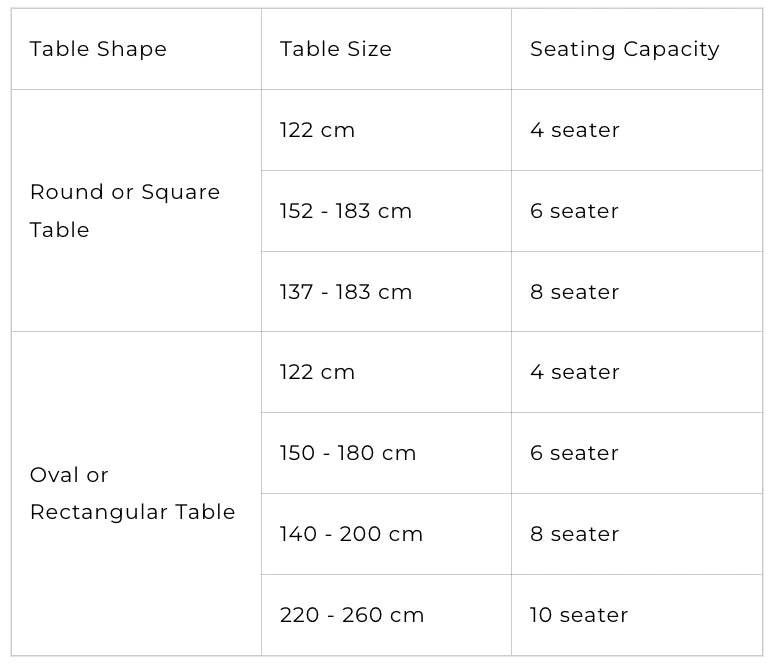
Choosing the perfect dining table size can feel like a daunting task. You want a table that fits your space perfectly, accommodates your loved ones comfortably, and enhances your dining experience.
But how do you ensure you’re making the right choice? In this guide, you’ll discover simple yet powerful tips to help you find the ideal dining table size for your home. Imagine hosting a dinner party where everyone has ample elbow room, and the conversation flows effortlessly.
By the end of this article, you’ll have the knowledge to transform your dining space into a harmonious and inviting setting. Dive in to learn how to make your dining area not just functional, but truly special.

Credit: in.pinterest.com
Assessing Space Requirements
Choosing the perfect dining table involves more than just picking a design that catches your eye. It’s crucial to assess your space requirements to ensure that the table complements your room and lifestyle. Understanding the room dimensions and traffic flow helps you make a choice that’s both stylish and functional. So, how do you make sure your dining table fits just right?
Measuring Room Dimensions
Grab a tape measure and start by measuring the length and width of your dining area. Knowing these exact dimensions is the first step in selecting a table that fits seamlessly. Don’t just eyeball it—precise measurements prevent future headaches.
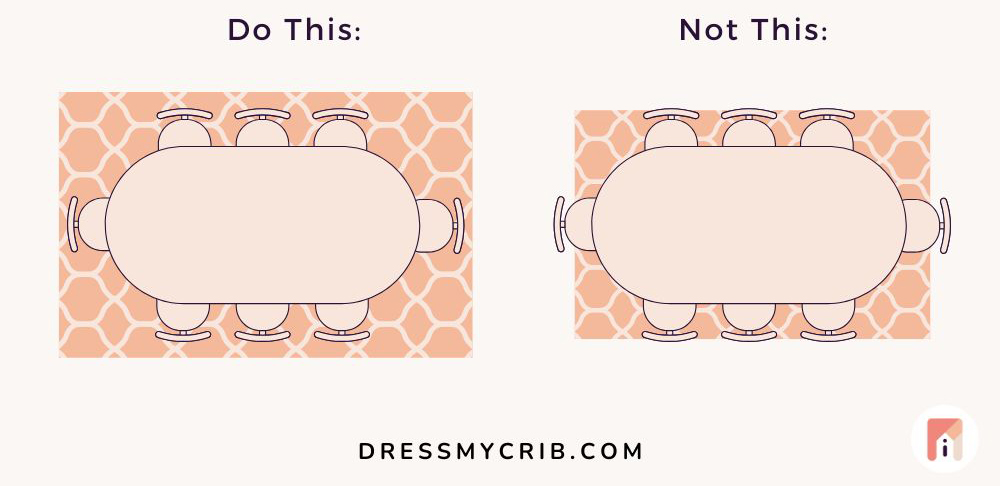
Consider how much space you want around the table. A standard recommendation is to allow at least 36 inches between the table and the walls or other furniture. This ensures that guests can move freely without bumping into anything.
Considerations For Traffic Flow
Think about the daily movement around your dining area. Do you have kids running around or frequent guests? You need enough space for everyone to comfortably pull out chairs and walk around.
Visualize the room with the table in place. Will it obstruct doorways or pathways? If your dining area doubles as a thoroughfare, opt for a table shape that encourages easy movement, like a round or oval design.
Reflect on your lifestyle. Do you host large gatherings or prefer intimate dinners? Understanding your social habits helps in deciding the table size that suits your needs while maintaining a smooth traffic flow.
Credit: dressmycrib.com
Choosing Table Shape
Selecting the right table shape influences dining space harmony. Consider room size, seating needs, and table style. Aim for comfort and balance to enhance dining experiences.
Choosing the right table shape is crucial for any dining space. The shape affects not only aesthetics but also functionality and flow. Each shape serves different needs and suits various room sizes. Understanding these differences helps you make the best choice for your home.Rectangular Tables
Rectangular tables are classic and versatile. They work well in long, narrow rooms. This shape offers ample seating, making it ideal for families. You can easily add leaves to extend the length. This flexibility is great for entertaining guests. Ensure there’s enough space to walk around the table comfortably.Round And Oval Tables
Round tables create an intimate dining experience. They’re perfect for smaller spaces, allowing easy movement. Everyone can see each other, fostering conversation. Oval tables provide similar benefits with added length. This makes them suitable for slightly larger spaces. These shapes encourage a cozy and warm atmosphere.Square Tables
Square tables offer symmetry and balance. They fit well in square rooms, maximizing space. This shape works best for small gatherings. Each seat feels equally important, enhancing social interaction. Consider a square table with an extendable feature. This adds versatility for occasional larger gatherings.Determining Seating Capacity
Sizing a dining table involves measuring the room space. Leave enough space for chairs to move comfortably. Consider the table’s shape and seating needs for family or guests.
Determining the right seating capacity for a dining table is crucial. It ensures comfort during meals and gatherings. The table should fit the room and allow easy movement. Consider the number of people you want to seat regularly. Also, think about special occasions where more seating might be necessary.Standard Seating Guidelines
Following standard seating guidelines can simplify the sizing process. Generally, allocate 24 to 30 inches per person. This space ensures everyone has enough room to sit comfortably. For rectangular tables, aim for six people on each side for a table of 72 inches. A round table of 48 inches can seat four people. Always account for the table’s legs and any additional support structures.Adjusting For Special Occasions
Adjusting your dining table for special occasions is important. Consider extendable tables with leaves for added flexibility. These tables can accommodate more guests when needed. Folding chairs or benches provide extra seating without taking up much space. Ensure there’s enough room for serving dishes and decor. Balance comfort with practicality for memorable gatherings.Calculating Table Dimensions
Choosing the right size for a dining table involves considering room dimensions and seating needs. Ensure there’s ample space for movement and comfort around the table. Measure carefully to find a balance between functionality and style.
Calculating the right dimensions for your dining table is crucial. It ensures comfort and functionality in your dining area. A well-sized table enhances the dining experience. It also complements the room’s aesthetic. Consider the size of your dining space first. Then think about the number of people you want to seat. These factors help in determining the ideal table dimensions.Length And Width Considerations
The length and width of a dining table are vital. They determine how many guests can be seated comfortably. For a rectangular table, allow 24 inches of space per person. This provides enough elbow room. Leave at least 36 inches between the table and the wall. This space helps people move around with ease. If using a round table, a diameter of 48 inches suits four people. For six people, aim for a diameter of 60 inches. Larger gatherings need a larger table. Measure your room first to ensure the table fits well.Height Specifications
The standard height for dining tables is around 28 to 30 inches. This height suits most chairs and allows comfortable seating. Ensure the chair seats are about 12 inches below the table. This space is necessary for leg movement. If your chairs have arms, check they fit under the table. A comfortable height makes dining more enjoyable. If your table is for a casual setting, consider a height of 36 inches. This height works well for bar stools and informal gatherings. Always match the table height with your seating preferences.Balancing Style And Function
Choosing the right dining table size blends style and function seamlessly. Consider room size, seating needs, and table shape. Ensure enough space for movement around the table to create a comfortable dining experience.
Balancing style and function in a dining table is essential. The right size ensures comfort and enhances the room’s aesthetics. A well-sized table fits the space, allowing ease of movement. It should also complement the room’s design and serve multiple purposes. This balance creates a welcoming and efficient dining area.Matching Interior Decor
Select a dining table that harmonizes with your room's design. Consider the color, material, and shape. A wooden table complements rustic interiors. A glass table suits modern spaces. Ensure the table’s style enhances your room. It should not clash with other furniture. The table should be a focal point, not an eyesore.Multi-functional Designs
A versatile dining table adapts to various needs. Choose a table that serves multiple purposes. An extendable table is ideal for hosting guests. Built-in storage can hold dining essentials. A foldable design saves space in smaller rooms. Consider tables with adjustable heights. They provide flexibility for different activities.Material And Finish Selection
Selecting the right material and finish for your dining table enhances both style and functionality. Opt for durable materials that suit your lifestyle. Consider finishes that complement your room’s decor, ensuring harmony and longevity.
Selecting the right material and finish for your dining table is crucial. It influences durability, aesthetics, and maintenance. Each choice impacts the table’s look and lifespan. Consider your lifestyle and design preferences.Durability Factors
Choose materials based on how you use your table. Wood is a classic choice, offering warmth and strength. Solid wood like oak or walnut can handle daily wear. Veneered tables are less expensive but may not last as long. Metal tables offer sleek looks and strong resistance to damage. Glass tops add elegance but require careful handling to avoid scratches.Aesthetic Preferences
The finish affects how your table fits in your room. A glossy finish adds a modern touch, reflecting light beautifully. Matte finishes provide a more understated and rustic look. Consider the color palette of your dining space. Lighter finishes can make a room feel open. Dark finishes add a cozy, intimate atmosphere. Mixing materials like wood and metal can create a unique style.Practical Tips For Measuring
Choosing the right size for a dining table involves measuring your space carefully. Consider table dimensions and room layout to ensure comfortable seating. Remember to leave enough space for movement around the table.
Sizing a dining table correctly is crucial for a harmonious dining space. Accurate measurements ensure comfort and functionality, preventing cramped or oversized settings. Follow these practical tips to measure effectively and make informed decisions.Using A Measuring Tape Effectively
Position the tape at one corner of the room. Ensure it lays flat to avoid errors. Measure the length and width of the space. Record these numbers precisely. Consider the dimensions of the table alongside the room’s size. Allow ample space for chairs and movement. Typically, leave 36 inches around the table for comfort. Double-check measurements to prevent mistakes.Common Mistakes To Avoid
Avoid measuring without clearing obstacles. Items on the floor can skew results. Do not ignore the table’s shape when measuring. Round tables need different spacing than rectangular ones. Forgetting to account for chairs leads to cramped spaces. Measure the room with chairs in mind. Overlooking entryways can cause movement issues. Ensure doorways and paths remain clear.
Credit: www.facebook.com
Consulting With Experts
Choosing the perfect dining table can be a daunting task. It’s not just about finding a piece that fits your style but also ensuring it fits your space and meets your functional needs. Consulting with experts can be incredibly beneficial in making the right decision. Let’s explore how expert advice can make your dining table selection seamless.
Professional Advice Benefits
Experts bring a wealth of knowledge about different materials, styles, and the latest trends. They can offer insights into durability and maintenance that you might not consider. Imagine having someone who knows the difference between a veneer finish and solid wood, guiding you to a table that complements your lifestyle.
Moreover, experts often have access to resources and suppliers that you might not. This can open up options for custom designs or exclusive pieces. By consulting with a professional, you can tap into their network and find the best deals and unique options.
When To Seek Expert Help
How do you know when it’s time to call in the pros? If you’re feeling overwhelmed by choices or struggling with space planning, that’s a clear sign. An expert can help you visualize how different sizes and shapes will fit in your room, avoiding costly mistakes.
Additionally, if you have specific needs like accommodating a large family or hosting frequent gatherings, expert advice can be invaluable. They can recommend options that maximize seating without compromising comfort or style.
Think about the long-term. A dining table is an investment. Are you confident in your choice? If not, seeking expert help can ensure that your table serves you well for years to come. What would it mean to have peace of mind knowing your dining area is both beautiful and functional?
Frequently Asked Questions
What Is The Rule For Dining Table Size?
Choose a dining table size allowing 24 inches per person for comfortable seating. Ensure 36 inches space around the table for easy movement. Rectangular tables fit narrower spaces, while round tables suit square rooms. Prioritize the number of people and available space to find the perfect fit.
How Do You Choose The Right Size Dining Table?
Measure your dining area to ensure adequate space for movement. Choose a table size that accommodates all diners comfortably. Consider the table shape and extendable options for flexibility. Account for additional furniture and room layout. Prioritize your style and dining needs for the best fit.
What Size Dining Table For A 12×12 Room?
Choose a dining table around 48 to 60 inches in diameter for a 12×12 room. This size offers comfort and movement space. Opt for a round or square table to maximize seating and maintain balance. Always consider clearance for chairs and movement.
What Size Dining Table For A 10 By 10 Room?
A 10×10 room fits a 42-48 inch round or square dining table. This size allows comfortable movement and seating. Consider table shape and chair style for optimal use. Rectangular tables may fit, but check space for chair movement. Choose compact furniture for enhanced comfort and functionality.
Conclusion
Choosing the right dining table size matters. It ensures comfort and style. Measure your space carefully. Consider seating needs for family and guests. Round tables suit small spaces well. Rectangular tables fit larger areas. Think about table height too. Standard height is best for most chairs.
Remember, balance is key. A table too big can overwhelm a room. Too small, and it feels cramped. Look for designs that match your decor. Practical and beautiful. Your dining space should feel inviting. Enjoy meals together, comfortably. Happy dining!


