
Are you wondering if Ziploc bags are safe for storing your food? You’re not alone.
Many people reach for these handy plastic bags without thinking twice. But it’s crucial to know if they’re truly safe for your meals. You’ll discover the facts about Ziploc bags and food safety. We’ll dive into what makes them popular and if they can keep your meals fresh without any risks.
Stay with us, and you’ll learn everything you need to know to make informed choices for your food storage. Curious? Let’s find out if Ziploc bags deserve a place in your kitchen.
Credit: medium.com
Ziploc Bags: An Overview
Ziploc bags have become a staple in kitchens around the world, offering a convenient solution for storing leftovers, organizing ingredients, and even marinating meats. But as you rely on these handy bags for food storage, have you ever stopped to wonder about their safety? Understanding what goes into these bags and how they can be used effectively is crucial. Let’s dive into the details and explore why Ziploc bags are a popular choice for food storage.
Materials And Composition
Ziploc bags are primarily made from polyethylene, a type of plastic known for its durability and flexibility. This material is food-safe and widely used for packaging because it doesn’t react with food or alter its taste.
Polyethylene is also resistant to moisture, which is essential for preserving the freshness of your food. However, it’s important to ensure that you use Ziploc bags that are specifically labeled for food storage, as some variants may contain additives not suitable for direct contact with edibles.
Common Uses In Food Storage
In your kitchen, Ziploc bags serve multiple purposes. They are perfect for sealing in the freshness of sandwiches, protecting delicate produce from bruising, and even portioning out snacks for easy access.
Beyond the refrigerator, these bags are useful in the freezer too. Whether you’re storing soup, stews, or meats, Ziploc bags can help prevent freezer burn and maintain the quality of your food.
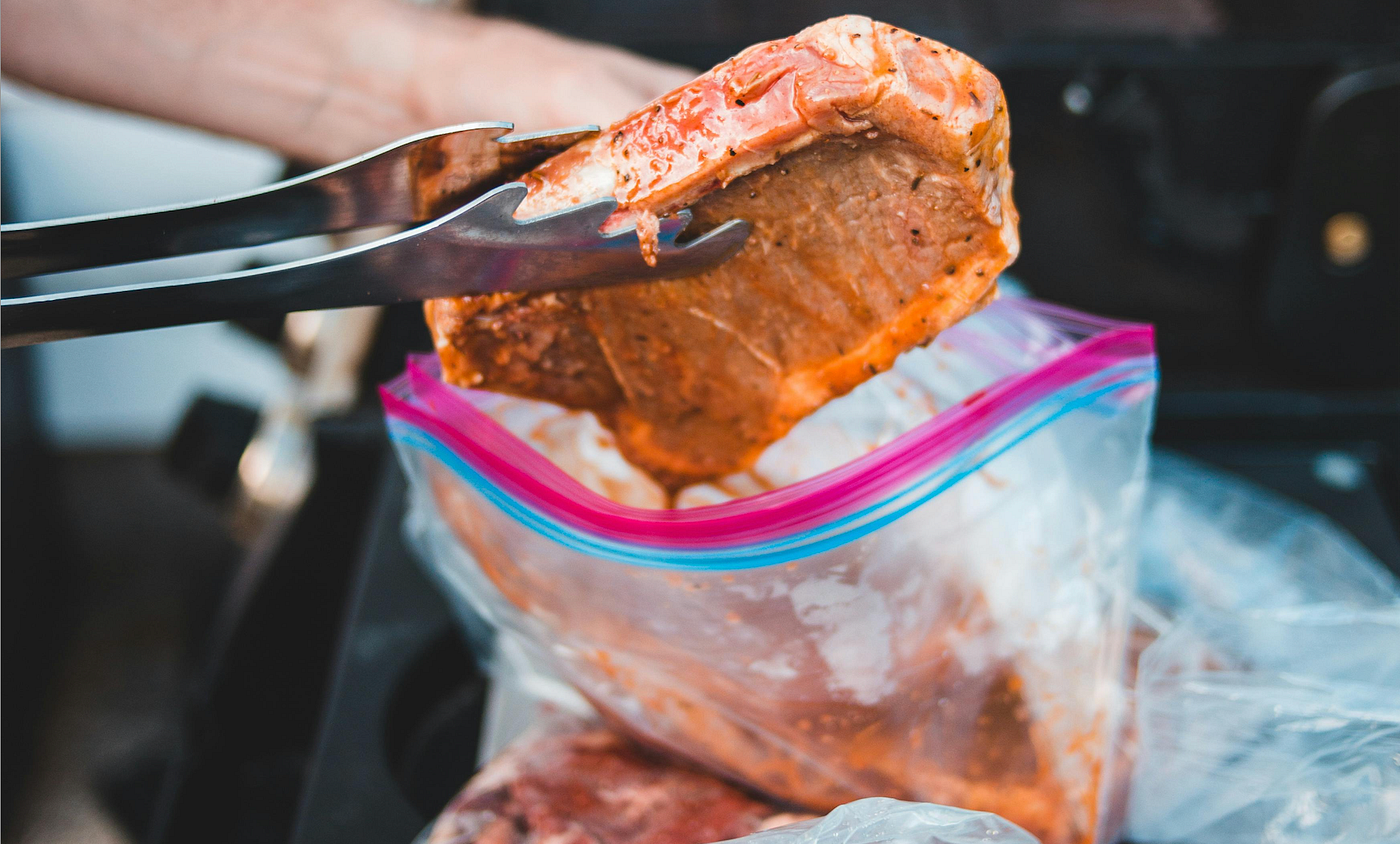
Ever tried using a Ziploc bag to marinate your meats? Their airtight seal ensures that flavors penetrate deeply, making your dishes more flavorful. What’s your favorite way to use Ziploc bags in your food storage routine?
Safety Standards For Food Storage
Ziploc bags offer a safe option for food storage. Made from food-grade materials, they help preserve freshness and prevent contamination. Ensure proper sealing to maintain the integrity of stored food.
Ensuring the safety of food storage is a priority in every kitchen. Whether you’re packing a lunch, freezing leftovers, or organizing snacks, understanding the safety standards of food storage solutions like Ziploc bags is vital. This leads us to consider how these standards measure up against regulatory guidelines and consumer safety concerns.
Regulatory Guidelines
When it comes to food storage, regulatory guidelines are in place to safeguard your health. Ziploc bags are subject to strict regulations by organizations such as the Food and Drug Administration (FDA). These guidelines ensure that the materials used are free from harmful chemicals that could leach into food. Materials used in these bags must pass rigorous testing. This includes assessments for durability and reactions under various conditions like freezing or microwaving. Companies must comply with these regulations to ensure that their products are safe for storing food.
Consumer Safety Concerns
While regulatory bodies set standards, your concerns as a consumer matter immensely. You might wonder if storing hot food in Ziploc bags is safe or if they can be reused without compromising safety. These are valid questions that many share. For instance, high temperatures can sometimes cause plastic to break down, which may raise concerns about chemical contamination. It’s crucial to follow manufacturer guidelines, such as not using the bags in boiling water or the oven. Have you ever noticed the reassurance that comes from knowing your food storage choices are backed by science and regulation? It’s not just about compliance; it’s about peace of mind. Knowing that Ziploc bags meet these safety standards can help you store your food confidently.
Potential Risks Of Ziploc Bags
Ziploc bags are a convenient option for storing food, but are they entirely safe? While they promise airtight sealing and easy accessibility, there are potential risks you should be aware of. These concerns range from chemical leaching to temperature limitations, which can affect the safety and quality of your stored food.
Chemical Leaching
One of the main concerns with Ziploc bags is the potential for chemical leaching. These bags are typically made of polyethylene, a type of plastic that can release chemicals under certain conditions. Have you ever wondered what happens when the bag touches acidic foods like tomatoes or citrus fruits?
Though polyethylene is considered safe for food storage, the risk of leaching might increase if the bag is exposed to heat or stored for long periods. This could lead to unwanted chemicals seeping into your food, posing health risks. It’s crucial to ensure that your storage practices minimize these chances.
Temperature Limitations
Ziploc bags are not suited for extreme temperatures. Whether you’re freezing leftovers or microwaving meals, these bags have specific temperature limitations. Have you ever put a Ziploc bag in the microwave and noticed it warping or melting?
Using Ziploc bags outside their recommended temperature range can compromise their integrity. Melting or warping can lead to spills or contamination. Knowing the temperature limits not only protects your food but also ensures the bags are being used safely and effectively.
It’s worth asking yourself: Are you using Ziploc bags within their safe temperature range? Understanding these potential risks helps you make informed decisions about food storage. Taking a few extra precautions can keep your food safe and fresh, while also safeguarding your health.
Benefits Of Using Ziploc Bags
Ziploc bags are safe for food storage, offering convenience and freshness. Their airtight seal helps prevent contamination. Ideal for both short-term and long-term storage, they preserve food quality effectively.
Ziploc bags have become a staple in many households, known for their reliability in keeping food fresh. But did you know they offer a host of benefits beyond just storage? From saving space in your fridge to providing unmatched convenience, Ziploc bags are a versatile tool you shouldn’t overlook.
Convenience And Versatility
Ziploc bags shine when it comes to convenience. Imagine preparing a week’s worth of meals and having everything neatly packed, ready to go. These bags can be easily labeled and stacked, making meal prep a breeze. You can also use them for marinating meats or storing leftover sauces without worrying about leaks. Their versatility is equally impressive. Whether you’re freezing, refrigerating, or microwaving, Ziploc bags handle it all. Need a quick ice pack? Fill a Ziploc bag with ice, and you’re set. They even come in handy for non-food items like organizing travel toiletries or storing craft supplies.
Space-saving Solutions
Ziploc bags are a game changer for maximizing space. Unlike rigid containers, these bags can be flattened and molded to fit into tight spots, making them perfect for small kitchens. Picture your fridge neatly organized with Ziploc bags stacked like files, each holding a different ingredient. When freezer space is at a premium, these bags excel. You can lay them flat to freeze soups or stews, creating compact blocks that stack efficiently. Plus, the clear design lets you quickly identify contents, saving you time hunting for that elusive bag of frozen peas. With these benefits, it’s clear why Ziploc bags are a go-to for food storage. How will you incorporate them into your daily routine?
Expert Insights On Ziploc Bags
When it comes to storing food safely, Ziploc bags often come into the picture as a convenient option. But are they truly safe for food storage? Let’s dive into what experts have to say about this popular kitchen staple.
Opinions From Food Safety Authorities
Food safety authorities generally agree that Ziploc bags are safe for storing food, provided they are used correctly. These bags are designed to meet food safety standards, ensuring that no harmful chemicals leach into your food. Make sure to check the packaging for any specific usage instructions or limitations.
However, authorities caution against using Ziploc bags for high-temperature applications like microwaving or cooking, as the plastic may degrade. Always look for bags labeled as microwave-safe or use alternate containers for heating.
Recommendations From Health Experts
Health experts echo the sentiment that Ziploc bags are suitable for storing a variety of foods, from dry snacks to marinated meats. They recommend keeping an eye on the bag’s condition; replace any bags with holes or wear to avoid contamination.
Experts also suggest avoiding double-bagging as it might seem wasteful and unnecessary for most applications. Instead, consider using reusable containers for larger food storage needs. Are you using Ziploc bags effectively to minimize waste and ensure food safety?
Alternatives To Ziploc Bags
Many people use Ziploc bags for food storage. They are convenient and affordable. But some worry about plastic waste and safety. Here are alternatives to Ziploc bags. These options are eco-friendly and reusable.
Eco-friendly Options
Switch to eco-friendly options to reduce plastic use. Beeswax wraps are popular. They are made from natural materials. You can wrap sandwiches and fruits easily. Silicone bags are another choice. They are durable and safe for food storage. They can be reused many times.
Reusable Containers
Reusable containers are a great alternative. Glass containers are a safe option. They don’t absorb smells or stains. Stainless steel containers are strong and long-lasting. They keep food fresh for days. Both options are easy to clean and store.
Consumer Tips For Safe Use
Ziploc bags are a popular choice for food storage due to their convenience. Knowing how to use them safely is important for keeping your food fresh and healthy. Here are some tips to ensure safe use of Ziploc bags for food storage.
Proper Sealing Techniques
A tight seal prevents air and moisture from spoiling food. Press out as much air as possible before sealing. Zip the bag carefully, ensuring no gaps. Listen for the click sound while closing the zipper. This confirms a secure seal.
For liquid items, double-check the seal to avoid spills. Lay the bag flat to distribute the contents evenly. This helps maintain a consistent seal and makes storage easier.
Guidelines For Reuse
Reuse Ziploc bags to reduce waste. Ensure the bags are thoroughly cleaned before reuse. Wash them with warm, soapy water. Rinse well to remove soap residue. Dry the bags completely before using them again.
Avoid reusing bags that stored raw meats or oily foods. These items can leave residue that is hard to clean. Always inspect reused bags for wear and tear. If the seal is damaged, discard the bag.

Credit: www.amazon.com

Credit: www.amazon.com
Frequently Asked Questions
Is Storing Food In Ziploc Bags Safe?
Yes, storing food in Ziploc bags is safe. They are made from food-grade plastic, preventing contamination. Ensure bags are sealed properly to maintain freshness. Avoid using them for hot foods or microwaving. Always check for any damage before use to ensure safety.
Do Ziplock Bags Give Off Microplastics?
Ziplock bags can potentially release microplastics over time, especially if exposed to heat or wear. Opt for reusable alternatives like glass or silicone to reduce microplastic pollution.
Do Ziploc Bags Leach Chemicals?
Ziploc bags are BPA-free and made from polyethylene plastic. They are considered safe for storing food. However, avoid exposing them to high heat, which may cause potential chemical leaching. Using Ziploc bags for cold storage is generally safe and does not pose significant health risks.
What Are The Disadvantages Of Zip Lock Bags?
Zip lock bags can contribute to plastic pollution. Their durability leads to slow decomposition. They may not be completely airtight, risking spills. Prolonged exposure to heat can release harmful chemicals. Frequent reuse can compromise their seal and effectiveness. Always consider eco-friendly alternatives for better sustainability.
Conclusion
Ziploc bags offer a handy solution for food storage. They keep food fresh longer. Easy to use and widely available, they fit well in kitchens. Consider their safety for specific food types. Always follow the manufacturer’s guidelines. Ensure proper sealing to prevent leaks and contamination.
Regularly check for any wear or damage. Proper usage ensures your food stays safe and tasty. For best results, use them as intended. Ziploc bags can make your food storage simpler and more effective. Keep these tips in mind for safer food handling.
Happy storing!


