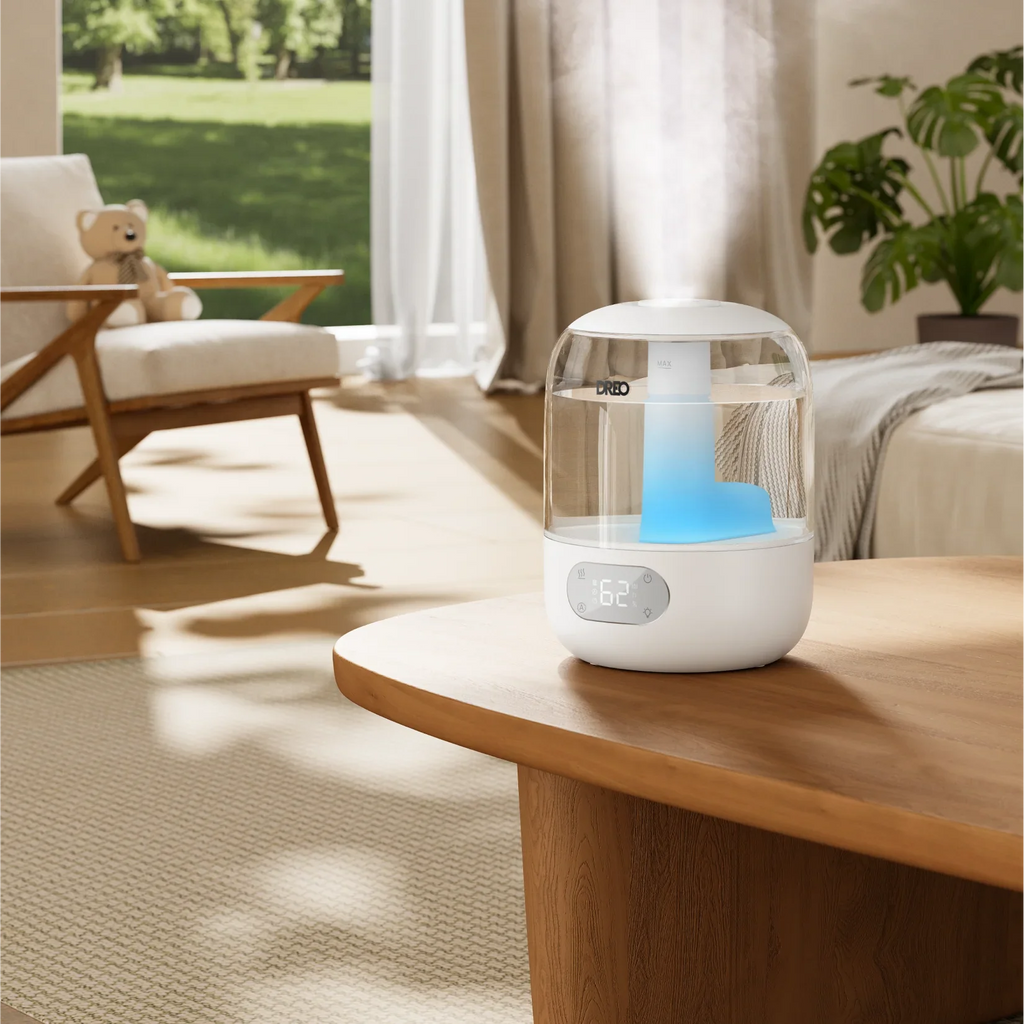
Are you wondering how long you should leave your humidifier on to get the best results? Using a humidifier can make your home more comfortable, especially when the air feels dry.
But too much moisture or running it the wrong way might cause problems you don’t want. You’ll discover the ideal time to keep your humidifier on, so you can breathe easier and protect your space. Keep reading to find out exactly what works for you and your home.

Credit: levoit.com
Benefits Of Using A Humidifier
Using a humidifier can transform the comfort level of your living space in multiple ways. It adds moisture to the air, which directly impacts your health and environment. Understanding the benefits can help you decide how long to run your humidifier each day.
Improving Air Quality
Dry air often carries more dust and allergens, making it harder to breathe. A humidifier increases moisture, which helps settle these particles. This means the air you breathe feels cleaner and less irritating.
Have you noticed how your home feels fresher when the humidity is just right? That’s because balanced moisture reduces airborne irritants and can even limit the spread of some viruses.
Relieving Dry Skin And Irritation
Dry air can cause your skin to crack, itch, or flake, especially during winter months. Running a humidifier adds moisture back into the air, which helps keep your skin hydrated naturally.
Think about how your skin feels after a humid day outside. That same effect can happen indoors, preventing discomfort like chapped lips and dry eyes. It’s a simple way to improve your skin’s health without extra lotions or creams.
Enhancing Respiratory Health
If you suffer from allergies, asthma, or frequent colds, dry air can worsen your symptoms. Humidifiers help keep your nasal passages and throat moist, easing breathing and reducing irritation.
Using a humidifier at night can make a big difference in how rested you feel. Moist air helps loosen mucus and soothe inflamed tissues, which means fewer coughs and better sleep.
Credit: certezaestore.com
Factors Influencing Humidifier Usage Time
Several factors influence how long to leave a humidifier on. Understanding these helps maintain comfort and prevent problems. The right duration depends on room size, humidity levels, type of humidifier, and seasonal needs.
Room Size And Humidity Levels
Large rooms need more time to reach ideal humidity. Small rooms reach comfort faster, so shorter use works. Check the current humidity with a hygrometer. Aim for 30-50% humidity to avoid dryness or dampness. Stop the humidifier once this range is reached.
Type Of Humidifier
Different humidifiers work in various ways. Ultrasonic models release mist quickly, so run time may be shorter. Evaporative humidifiers take longer but use less energy. Warm mist humidifiers add heat, so use cautiously. Follow the manufacturer’s recommendations for each type.
Seasonal Considerations
Winter air is dry and cold, needing longer humidifier use. Summer air often holds more moisture, so less run time is needed. Adjust use based on outside weather and indoor comfort. Seasonal changes affect humidity demand significantly.
Recommended Duration For Humidifier Operation
Knowing how long to leave your humidifier on can make a big difference in comfort and health. The recommended duration depends on the time of day and the environment you are in. Let’s break down the best ways to use your humidifier effectively without wasting energy or risking too much moisture.
Daytime Usage
During the day, you might want to run your humidifier for shorter periods. Aim for about 2 to 4 hours at a time, especially if you have windows open or ventilation running. This helps maintain steady humidity without making the air too damp.
If you’re at home and notice dry skin or irritation, turning it on for a couple of hours can bring quick relief. But be careful not to exceed 50% humidity, which can encourage mold growth.
Nighttime Usage
At night, running your humidifier for 6 to 8 hours can improve sleep quality by easing breathing and reducing dryness. Many people find it helpful to keep it on throughout the night, especially in dry winter months.
However, using a humidifier all night requires regular cleaning to prevent bacteria buildup. Have you checked when you last cleaned yours? It’s crucial for your health.
Continuous Vs. Intermittent Use
Continuous operation keeps humidity levels stable but can raise the risk of excess moisture if you don’t monitor it closely. Intermittent use—turning it on and off throughout the day—lets you control humidity better and save energy.
Try setting a timer or using a humidistat to automate this process. How often do you check your room’s humidity? Keeping it between 30% and 50% is ideal and prevents problems like mold or dryness.
Risks Of Overusing A Humidifier
Using a humidifier can make your living space more comfortable, especially during dry months. However, leaving it on too long can lead to several problems that might affect your health and home. Understanding the risks of overusing a humidifier helps you find the right balance for optimal comfort without causing damage.
Excess Moisture And Mold Growth
Running a humidifier non-stop adds too much moisture to the air. This excess moisture creates a perfect environment for mold and mildew to grow on walls, ceilings, and even inside your HVAC system. Mold spores can spread quickly and cause long-term damage to your home’s structure.
Have you noticed a musty smell or visible mold in corners of your rooms? That might be a sign you’re over-humidifying your space. Keeping humidity levels between 30% and 50% can prevent mold growth and keep your home safe.
Health Concerns
Too much humidity can worsen respiratory issues like asthma and allergies. Mold spores and dust mites thrive in moist environments, which can trigger coughing, sneezing, and skin irritation. You might think a humidifier always helps your breathing, but too much moisture can actually make it harder to breathe comfortably.
Think about how your body feels during a humid day—do you feel sticky or congested? Similar effects happen indoors if humidity is too high. Monitoring your humidifier’s run time can protect your health and improve indoor air quality.
Damage To Furniture And Walls
Overusing a humidifier can cause wood furniture to warp, paint to peel, and wallpaper to bubble. Moisture seeps into wood and other materials, weakening them over time. Your expensive furniture and decor might not be safe if you leave the humidifier on all day without breaks.
Have you seen water stains or peeling paint on your walls? That’s a clear sign of too much indoor moisture. Setting a timer or using a humidistat can help you avoid these costly damages and keep your home looking fresh.
Tips To Optimize Humidifier Use
Optimizing your humidifier use helps improve air quality and comfort. Proper use can prevent problems like mold or dry air. Follow simple tips to get the best results from your device.
Monitoring Humidity Levels
Keep humidity between 30% and 50% for comfort and health. Use a hygrometer to check the room’s moisture regularly. Too much humidity can cause mold and dust mites. Too little can dry out skin and airways. Adjust your humidifier based on these readings for balance.
Maintaining And Cleaning Your Humidifier
Clean the humidifier every few days to avoid bacteria build-up. Use white vinegar or a mild bleach solution for cleaning. Rinse parts well and dry completely before use. Replace filters as recommended by the manufacturer. Regular cleaning keeps the air fresh and safe.
Choosing The Right Settings
Select settings based on room size and humidity needs. Use lower settings for small rooms or mild dryness. Higher settings work well in larger spaces or very dry air. Many humidifiers have automatic modes for easy control. Adjust settings during sleep or when away to save energy.
When To Turn Off Your Humidifier
Humidifiers should run long enough to add comfort but not cause dampness or mold. Turn it off once the air feels balanced and moisture levels stay steady. Overuse can lead to wet surfaces and breathing problems.
Understanding when to turn off your humidifier is crucial for maintaining a healthy and comfortable home environment. Leaving it on all the time might not be necessary and could lead to problems. Knowing the right time to switch it off can save energy and prevent issues like mold or excess moisture.
Achieving Ideal Humidity
Your home’s ideal humidity level is typically between 30% and 50%. Use a hygrometer to measure the humidity in your space. Once it hits the ideal level, you should consider turning off your humidifier. Humidity that’s too high or too low can lead to discomfort or health issues. High humidity can cause mold growth, while low levels might dry out your skin and respiratory tract. Keep an eye on your hygrometer to ensure your home stays within the optimal range.
During Maintenance
Regular maintenance is essential for the efficiency and longevity of your humidifier. Turn it off before cleaning or refilling the water tank. This ensures safety and prevents any electrical issues. Additionally, this is a good time to check for any signs of wear or damage. Regular upkeep can help avoid unexpected breakdowns and extend the life of your device.
If You Notice Uncomfortable Conditions
Your comfort is a key indicator of when to turn off your humidifier. If you start feeling sticky or notice condensation on windows and walls, it might be time to switch it off. Excessive humidity can create an uncomfortable and unhealthy environment. On the other hand, if you or your family members are experiencing dry skin or irritated sinuses, it could mean the humidifier should be adjusted rather than turned off. Always listen to your body’s signals to maintain a comfortable balance. Consider these factors and adjust as needed. By being mindful of these indicators, you can ensure your home remains a pleasant and healthy space.

Credit: www.thermalservices.com
Frequently Asked Questions
How Long Can I Safely Run A Humidifier Daily?
You can run a humidifier for 8 to 12 hours daily. Avoid overuse to prevent excess moisture and mold growth. Use a hygrometer to monitor indoor humidity, keeping it between 30-50% for comfort and health.
Should I Leave My Humidifier On Overnight?
Yes, leaving a humidifier on overnight is safe if humidity stays balanced. It helps maintain moisture levels while you sleep. Ensure regular cleaning to avoid bacteria buildup and keep the air fresh.
What Happens If A Humidifier Runs Too Long?
Running a humidifier too long can cause excess moisture. This leads to mold, dust mites, and respiratory issues. Always monitor humidity and use the humidifier in moderation for optimal indoor air quality.
How Often Should I Clean My Humidifier?
Clean your humidifier every 3 days to prevent bacteria and mold. Regular cleaning ensures safe, healthy mist output. Follow manufacturer instructions for proper maintenance and prolong the device’s life.
Conclusion
Using a humidifier helps keep the air comfortable and healthy. Run it long enough to ease dryness but avoid overuse. Too much moisture can cause mold or dust mites. Check your room’s humidity with a gauge for best results. Clean the humidifier regularly to keep it safe.
Finding the right balance improves your breathing and skin. Enjoy a cozy space without worries by controlling the humidifier time. Simple steps make a big difference in your home’s air quality.


