Are you tired of squeezing past chairs and bumping into table corners every time you sit down for a meal? Finding the right balance of space around your dining table is crucial for creating a comfortable and inviting dining area.
You might think it’s just about fitting the table into the room, but it’s so much more than that. Imagine hosting a dinner party where your guests can easily move around, or enjoying a quiet family meal without feeling cramped.
This article is designed to help you discover how much room you really need around your dining table, ensuring a perfect blend of functionality and style. Dive in to unlock the secrets of creating a dining space that not only fits your home but also enhances your dining experience.
Ideal Dining Table Dimensions
Choosing the right dining table dimensions is crucial for creating a comfortable dining space. You want enough room for everyone to sit, move, and enjoy meals without feeling cramped. This means considering the size and shape of your table carefully. Let’s explore the ideal dimensions for various dining table shapes and how to tailor them to fit unique spaces.
Standard Sizes For Different Shapes
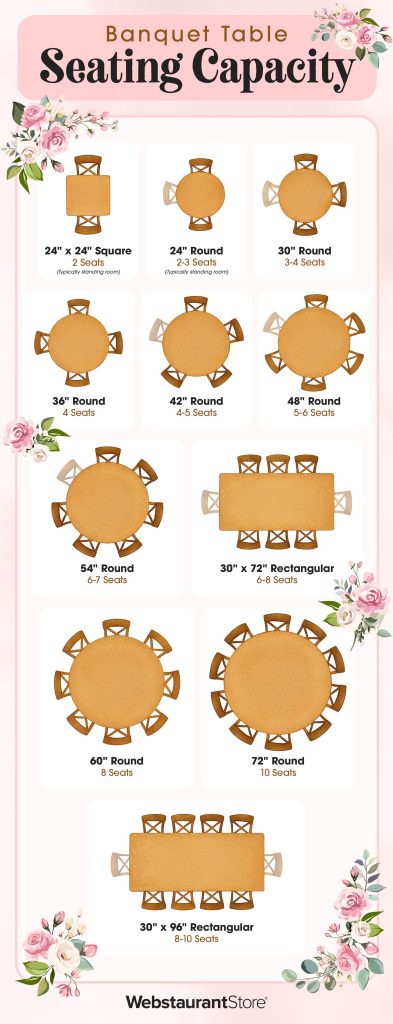
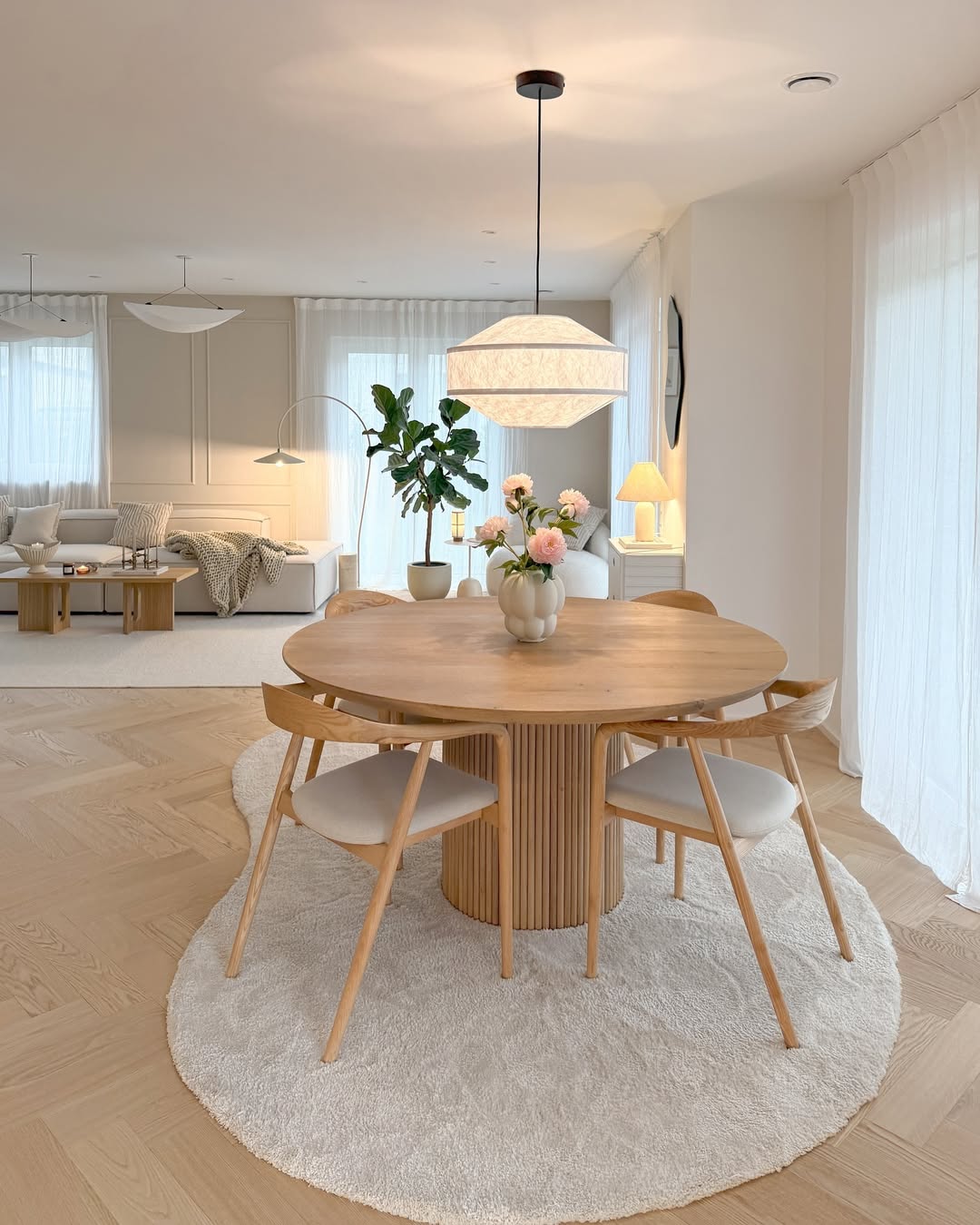
Each table shape has its standard sizes, ensuring comfortable seating and movement. Rectangular tables are popular and often come in lengths between 60 to 72 inches. This size accommodates six to eight people comfortably. Round tables typically range from 36 to 60 inches in diameter. They are perfect for smaller spaces and can seat four to six people. Square tables are ideal for intimate gatherings and usually measure 36 to 54 inches on each side.
Customizing For Unique Spaces
Not all dining areas are the same. Some may require custom solutions to maximize space and comfort. Consider extending tables with leaves if you need flexibility for larger gatherings. These tables can adapt to different occasions by expanding or contracting. If your space is narrow, opt for oval tables. They provide more seating without taking up additional room. In small spaces, consider drop-leaf tables. They can be folded down when not in use, saving space.
Credit: dressmycrib.com
Space Requirements Around Dining Tables
Allow at least 36 inches of space around a dining table for comfortable seating and movement. This ensures guests can easily pull out chairs and pass by without obstruction. Adequate space enhances the dining experience by providing ease and comfort.
Space around a dining table is crucial for comfort. It ensures easy movement and access. Proper spacing enhances dining experiences. It prevents cramped spaces and awkwardness. Let’s dive into space requirements.
Room For Chairs And Movement
Chairs need enough space for pulling in and out. Allow at least 24 inches behind each chair. This space lets guests sit and stand easily. It avoids bumping into walls or other furniture. For more comfort, consider 30 inches. It provides ample room for movement.
Adjusting For Different Table Sizes
Table size affects room requirements. Round tables need less space for chairs. Rectangular tables might need more clearance. A small table needs a smaller room. But a larger table demands more space. Measure your table and adjust accordingly. Always ensure enough room around the table. Proper spacing enhances dining experiences. It creates a welcoming atmosphere for guests.
Dining Room Layout Considerations
Choosing the right space around your dining table is essential. Allow at least 36 inches for comfortable movement. This ensures ease of seating and avoids crowding.
Dining Room Layout Considerations Designing the perfect dining room layout goes beyond just choosing a beautiful table. It’s about ensuring there’s enough space for everyone to move comfortably and creating a harmonious flow within the room. Whether you’re hosting a dinner party or enjoying a quiet meal, the layout should cater to both functionality and style.
Traffic Flow And Accessibility
Having enough room for traffic flow is essential. Ideally, you should aim for a minimum of 36 inches between the edge of your table and any walls or furniture. This space allows guests to move freely without squeezing or bumping into chairs. Think about your guests’ experience. Can they easily slide their chairs back without hitting anything? Ensuring this ease of movement contributes to a more comfortable dining experience.
Integrating With Other Furniture
Your dining table isn’t the only star in the room. Consider how it fits with other pieces of furniture. If you have a sideboard or a china cabinet, make sure there’s enough space to open doors and drawers without obstruction. A well-integrated layout can make your dining area look more cohesive. Can you imagine seamlessly reaching for a wine bottle from the sideboard without having to navigate an obstacle course? It’s these small details that enhance your dining room’s functionality and style. When planning your dining room, think about how the space can evolve. Will you need more seating in the future? How about adding a cozy reading nook? With these considerations in mind, you can create a dining area that’s not only practical but also inviting.
Choosing The Right Furniture
Choosing the right furniture for your dining area is essential. It affects both aesthetics and functionality. The right pieces can transform a cramped space into an inviting dining spot. Consider style, size, and purpose when selecting furniture. These factors help create a harmonious and practical dining area.
Table And Chair Styles For Space Efficiency
In compact dining spaces, furniture choice matters. Opt for sleek, modern designs. These often feature narrow profiles that maximize available space. Round tables work well in tight corners. They allow easy movement and seating flexibility. Chairs without arms occupy less space. Stackable or foldable chairs offer storage ease. Benches can replace chairs for extra seating and can be tucked under the table.
Storage Solutions In Dining Areas
Smart storage solutions keep dining areas clutter-free. Install wall-mounted shelves to store dishes and glasses. Use sideboards or buffets with drawers for additional storage. Look for tables with built-in shelves or drawers. These provide extra space without occupying more room. Consider a hutch for display and storage. It utilizes vertical space effectively. Choose furniture that offers hidden storage options. This keeps the dining area tidy and organized.
Optimizing Small Dining Areas
Optimizing small dining areas requires careful planning of space around the table. Aim for at least 36 inches of clearance to ensure comfortable movement. This simple adjustment enhances both functionality and aesthetics.
Optimizing small dining areas requires creativity and smart planning. Limited space doesn’t mean you can’t have a functional and stylish dining area. It’s about finding the right balance between comfort and aesthetics. Let’s explore ways to make the most of your compact dining space.
Space-saving Furniture Ideas
Consider using extendable dining tables. They offer flexibility for different occasions. Foldable chairs can be stored easily when not in use. Wall-mounted tables save floor space. They can be folded up after meals. Choose benches instead of chairs. They fit snugly against walls and offer more seating. Use multipurpose furniture like sideboards with storage.
Creating Illusions Of Space
Mirrors can make a room appear larger. Place them opposite windows to reflect light. Choose light colors for walls and furniture. They create an airy atmosphere. Vertical storage maximizes space. Shelves draw the eye upward, enhancing the sense of height. Open shelving helps keep the area uncluttered. Use transparent furniture like glass tables. They blend with the surroundings, giving a spacious feel.
Enhancing Comfort And Functionality
Creating a dining space that balances comfort and functionality is essential. Proper room around your dining table enhances the dining experience. It allows for easy movement, comfortable seating, and versatile use. Here, we explore how to achieve this balance.
Ergonomics In Dining Spaces
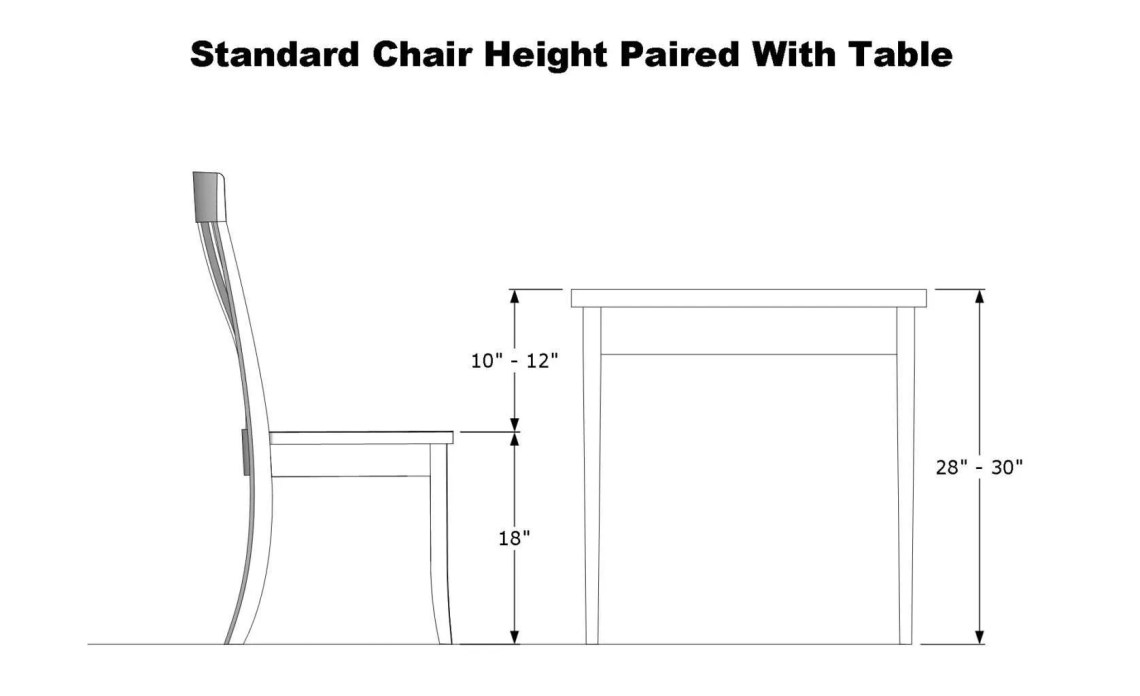
Ergonomics plays a vital role in dining room design. Ensure there’s enough space for chairs to pull out comfortably. Aim for at least 24 inches of space behind each chair. This allows guests to sit and stand easily. Consider the table height and chair dimensions. These should align to promote good posture. A comfortable dining setup encourages longer, more enjoyable meals.
Multi-functional Dining Room Designs
Modern dining rooms often serve multiple purposes. They might double as a workspace or play area. To accommodate this, plan the layout carefully. Use foldable or extendable tables for flexibility. Store extra chairs or benches that can be easily moved. Choose furniture that complements both dining and other activities. This approach maximizes space without sacrificing style or comfort.
Expert Tips For Dining Room Design
Leave at least 36 inches between the dining table and walls for easy movement. Ensure chairs can be pulled out comfortably without hitting anything. This spacing creates a welcoming and functional dining area.
Creating the perfect dining room involves more than just picking the right table and chairs. It requires thoughtful planning to ensure comfort, style, and functionality. With expert tips, you can design a dining space that feels welcoming and reflects your personality.
Avoiding Common Mistakes
One of the most frequent errors in dining room design is overcrowding. You might be tempted to squeeze in more furniture or decorations, but this can make the space feel cramped. Ensure there’s enough room around the dining table for guests to move comfortably. Leave at least 36 inches from the table edge to the wall or other furniture. It’s not just about aesthetics; it’s about creating a space where everyone can enjoy meals without bumping elbows. Another mistake is ignoring the importance of lighting. Poor lighting can dampen the mood of your dining experience. Opt for adjustable fixtures that allow you to set the tone—bright for family gatherings and dimmed for intimate dinners. Consider pendant lights or a stylish chandelier to add elegance without compromising functionality.
Incorporating Personal Style
Your dining room should be a reflection of who you are. Start by considering what colors make you feel at home. If vibrant hues energize you, incorporate them through artwork or chair cushions. Prefer a more subdued look? Soft neutrals paired with metallic accents can create a serene environment. Think about the type of dining experience you want to create. If you love hosting elaborate dinners, a large table with luxurious seating might be your focus. On the other hand, if casual meals are more your style, a simple, rustic setup could be perfect. Remember, your dining room is an extension of your living space—let it tell your story. As you plan your dining room design, ask yourself: Does this space invite conversation and comfort? Is there enough room for movement and interaction? By addressing these questions, you ensure your dining area is both functional and stylish, making every meal a memorable experience.

Credit: www.subhavaastu.com
Credit: www.briansbenham.com
Frequently Asked Questions
How Much Space Do You Need On Either Side Of A Table?
Allow at least 36 inches on each side of the table for comfortable movement. This space ensures easy seating and access. More space is needed if chairs are large or if people will walk behind seated guests. Proper spacing enhances functionality and aesthetics in your dining area.
Is 36 Inches Wide Enough For A Dining Table?
A 36-inch wide dining table is generally suitable for small spaces and intimate dining. It comfortably accommodates four people. Ensure there’s enough room for movement around the table. For larger gatherings, consider wider tables for ample space. Always measure your room to ensure a perfect fit.
How Much Clearance Should You Have Around A Table?
Ensure at least 36 inches of clearance around a table for comfortable movement. This space allows easy access and avoids crowding. Proper clearance enhances dining experience and ensures safety. Consider room size and furniture layout for optimal spacing. Adequate clearance contributes to a functional and inviting space.
Is 30 Inches Wide Enough For A Dining Table?
A 30-inch wide dining table can be sufficient for small spaces and intimate gatherings. It accommodates plates, cutlery, and basic decor comfortably. For larger groups or more elaborate settings, a wider table may be preferable. Always consider the room’s size and layout when choosing a table.
Conclusion
Creating a comfortable dining area is essential for enjoyable meals. Ensure enough space for chairs to slide in and out. This prevents cramped seating. Aim for at least 36 inches around the table. This allows easy movement. Consider the room’s shape and size.
A round table might fit better in smaller spaces. Remember, a well-arranged dining space enhances family gatherings. It also makes guests feel welcome. Prioritize comfort over style for the best experience. With the right spacing, your dining area will feel open and inviting.
Enjoy the benefits of a well-thought-out layout.


