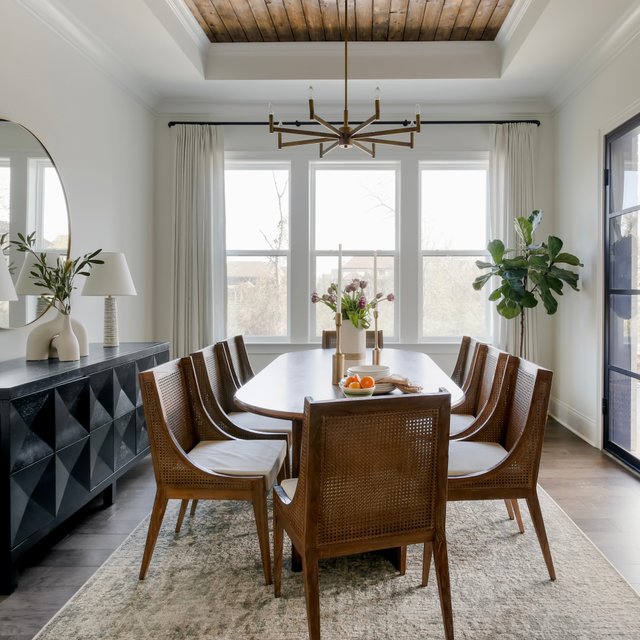
Are you planning to buy a new dining table, but unsure about the space you’ll need? You’re not alone.
Many people face this challenge when trying to balance style with functionality in their dining area. The right amount of room for a dining table is crucial—it impacts not just the look of your space but also how comfortable and enjoyable your dining experience will be.
Imagine hosting a dinner party where guests awkwardly squeeze past each other. Unpleasant, right? In this guide, we’ll unravel the mystery of how much room you actually need for a dining table. By the end, you’ll have a clear picture that will make your dining space both inviting and practical. So, are you ready to transform your dining area into a place that everyone wants to gather? Let’s dive in!
Choosing The Right Table Size
Selecting the right table size ensures comfort and functionality in your dining space. Measure your area to allow for table and chair placement while maintaining smooth movement. Consider table shape and seating capacity for both everyday meals and gatherings.
Choosing the right dining table size is essential for a comfortable dining experience. A well-sized table enhances both aesthetics and functionality. It should fit well in your space and accommodate your guests with ease. Let’s explore how to select the perfect table size for your dining area.Measuring Your Dining Area
Start by measuring your dining space. Use a tape measure for accuracy. Note the room’s length and width. Consider other furniture in the room. Leave enough space for chairs and movement. Aim for at least 36 inches between the table and walls. This ensures easy passage and comfortable seating.Determining Table Dimensions
Choose a table that fits within your measured space. Consider the number of people you entertain. A table for four needs a different size than a table for eight. For round tables, diameter is key. A 42-inch diameter suits four people. For rectangular tables, length is important. A 72-inch table comfortably seats six. Always account for chair space. Ensure chairs fit under the table when not in use. This saves space and maintains a tidy look.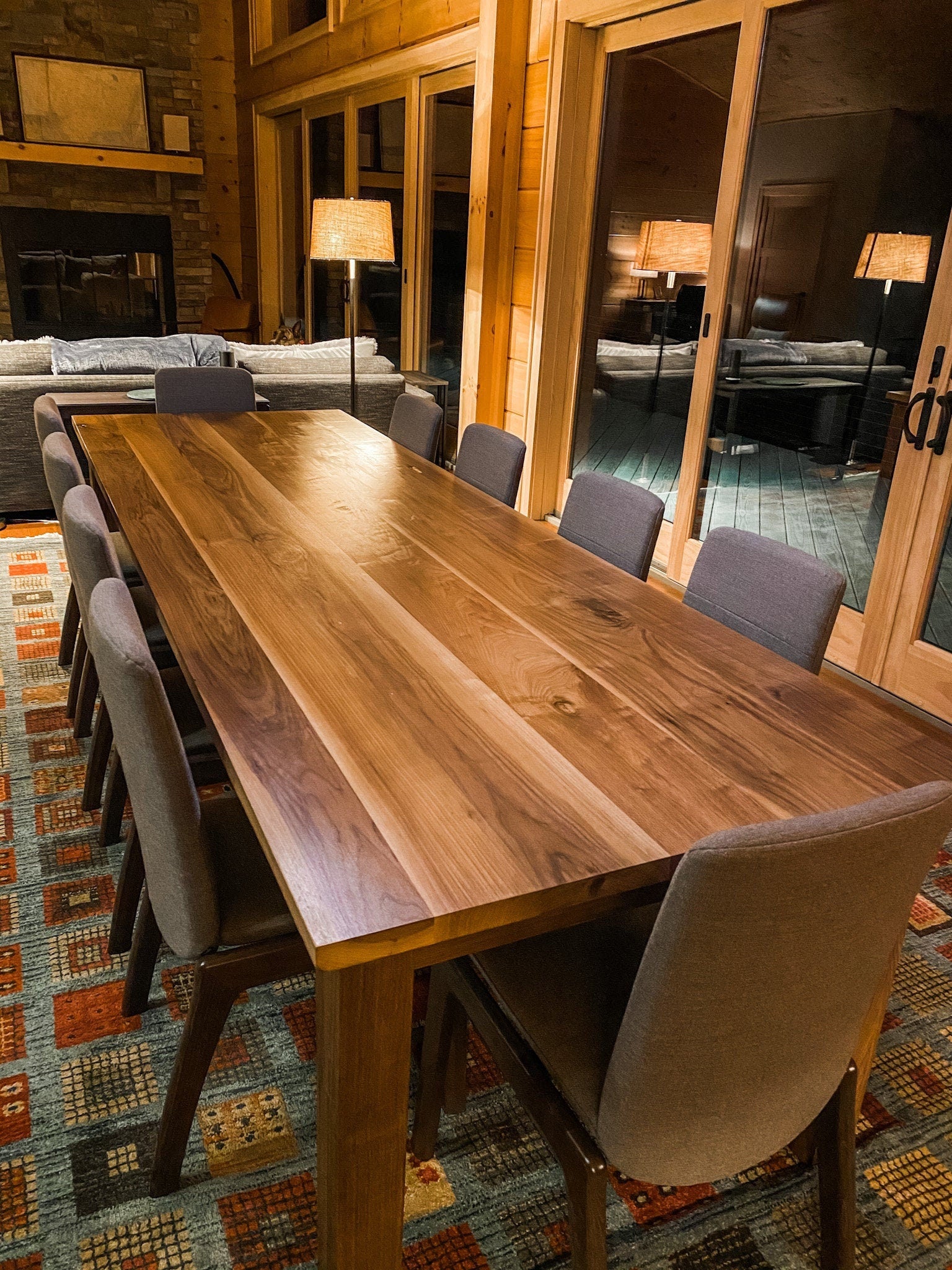
Credit: thefarmhousefinds.com
Optimizing Table Placement
Optimizing table placement involves ensuring adequate space for movement and comfort. Ensure at least three feet of space around the dining table. This distance allows easy access and movement for chairs and diners.
Optimizing the placement of your dining table can transform your dining area into a harmonious and functional space. The right positioning not only enhances the aesthetics but also improves accessibility and comfort. Let’s explore how you can make the most of your dining room by carefully considering where to place your table.Central Vs. Corner Positioning
Choosing between a central or corner placement of your dining table can significantly impact the room’s dynamics. A centrally positioned table often creates a focal point, inviting conversation and interaction. This setup works well in spacious rooms where movement isn’t restricted. On the other hand, a corner positioning might be ideal for smaller spaces, allowing you to maximize the room’s square footage. This arrangement can create a cozy nook perfect for intimate dinners. It also frees up more space for other furniture or activities.Considerations For Traffic Flow
Traffic flow around your dining table is crucial for comfort and convenience. Ensure there’s enough space for people to move around without bumping into chairs or tables. A good rule of thumb is to have at least 36 inches of clearance around the table’s perimeter. Think about how people will enter and exit the dining area. Are there any potential bottlenecks or tight spots? Consider the daily use of the space—perhaps your kids dash through the dining room to get to the kitchen. You’ll want to arrange your table to accommodate these patterns without obstruction. Ask yourself, does the table placement allow for easy access to other parts of the room? Balancing these practical aspects with aesthetic considerations will lead to a more enjoyable dining experience.Space-saving Furniture Options
Finding the right dining table can be a challenge in small spaces. Space-saving furniture options offer practical solutions without compromising style. These choices help maximize your room’s potential and keep it functional.
Extendable Tables
Extendable tables provide flexibility for dining spaces. They are compact for daily use and can be expanded for guests. This option allows you to adjust table size based on your needs. Many designs are available, from modern to traditional.
Drop-leaf Tables
Drop-leaf tables are versatile and perfect for small areas. They have hinged leaves that fold down when not in use. This design saves space and offers seating for extra guests. Ideal for kitchens or small dining rooms.
Wall-mounted Solutions
Wall-mounted tables are another innovative choice. They can be folded up against the wall when not in use. This creates more floor space and keeps the area tidy. Great for multi-purpose rooms or studio apartments.

Credit: www.mcgeeandco.com
Utilizing Multi-functional Furniture
Choosing the right dining table can be challenging. With limited space, utilizing multi-functional furniture is key. These pieces save space and add style. They offer flexibility and practicality, making them ideal for small dining areas.
Convertible Dining Sets
Convertible dining sets adapt to your needs. They transform easily from a compact table to a larger one. Perfect for hosting guests. They fold or extend, offering more surface area when needed. This adaptability ensures efficient use of space, accommodating varying numbers of diners.
Storage-integrated Tables
Storage-integrated tables offer a dual purpose. They provide a dining surface and extra storage. Ideal for small spaces, these tables help keep the area tidy. Many designs include drawers or shelves beneath the tabletop. This allows easy access to dining essentials, optimizing both space and convenience.
Decorative Tips For Small Spaces
Choosing the right size for a dining table in small spaces is crucial. Opt for tables with extendable leaves or drop-down features. Round tables can also be a space-saving solution, offering flexibility and style in compact dining areas.
Decorating small spaces can feel like a puzzle, but with the right tips, your dining area can look both stylish and spacious. Imagine walking into a room that feels open and inviting, despite its size. With just a few tweaks, even the coziest of spaces can become your favorite spot in the house. Let’s dive into some practical decorative tips.Choosing Light Colors
Using light colors can make a world of difference in a small dining area. Light shades, like whites, pastels, and soft grays, reflect more light, instantly making the room feel larger and more open. Consider painting the walls in a soft cream or pale blue. This trick brightens up the space and creates a calming ambiance. If you ever visited a friend’s home and felt how airy their small room seemed, chances are they used this clever technique.Using Mirrors To Create Illusion Of Space
Mirrors are not just for checking your reflection; they are a secret weapon for enhancing space. Placing a large mirror on one wall can make the room appear twice its actual size. Try hanging a mirror opposite a window. This placement captures natural light and bounces it around the room, enhancing the feeling of openness. Have you ever noticed how boutique stores use mirrors to expand their tight spaces? You can replicate this effect in your dining area. With these decorative tips, even the tiniest dining room can transform into a space that feels welcoming and spacious. Ready to give your dining area a makeover?
Credit: dutchcraftfurniture.com
Maximizing Seating Capacity
When you want to make the most of your dining space, it’s essential to think creatively. Maximizing seating capacity doesn’t mean cramming people together; it’s about finding smart solutions that fit your space and style. Whether you’re hosting a big family dinner or a casual brunch with friends, optimizing your seating can make all the difference.
Bench Seating
Bench seating is a fantastic way to increase the number of guests without needing extra chairs. It allows multiple people to sit comfortably and can be tucked away under the table when not in use, freeing up space. Picture a cozy Sunday morning breakfast, where everyone is comfortably seated on a long, rustic bench.
Consider a custom-built bench to match your dining table’s length. This ensures a seamless look and maximizes the available space. Plus, benches can double as storage, making them a practical choice for smaller areas.
Slim Profile Chairs
Slim profile chairs are another excellent option for maximizing seating. Their sleek design takes up less room, allowing you to add more chairs around the table. Imagine transforming your dining area into an elegant space with stylish, minimalist chairs that don’t compromise comfort.
Choose chairs with narrow arms or without arms altogether, as these can be tucked closer together. Opt for lightweight materials that make rearranging a breeze when you need to accommodate more guests. How can you make your dining experience both spacious and stylish? Slim profile chairs might be the answer.
Frequently Asked Questions
How Much Room Should You Have Around A Dining Table?
Allow at least 36 inches around a dining table for comfortable movement. This space ensures easy chair access and walking. More space, up to 48 inches, adds luxury and ease in larger rooms. Adjust according to your room size and furniture layout for optimal comfort.
How Big Of A Table Can I Fit In A 12×12 Room?
A 12×12 room can accommodate a table up to 8×8 feet, allowing space for chairs and movement. Consider furniture style and function for the best fit. Ensure there is enough room for comfortable navigation around the table.
Is 30 Inches Wide Enough For A Dining Table?
A dining table 30 inches wide can be sufficient for small spaces. It allows seating for two comfortably. For larger gatherings, consider wider options to ensure ample space for dishes and dining essentials. Always ensure enough room around the table for chairs and movement.
What Size Table Fits In An 8×8 Room?
An 8×8 room can comfortably fit a square table up to 6 feet. Consider space for chairs and movement. Opt for compact furniture to maximize space usage. This setup allows room for dining or work without overcrowding. Ensure the table suits your specific needs and room layout.
Conclusion
Choosing the right space for your dining table matters. Measure your area carefully. Consider table size, shape, and seating needs. Think about how often you entertain guests. Small spaces need smart solutions. Round tables fit tight spots well. Rectangular tables suit larger rooms.
Leave enough space to move around comfortably. Remember, style and function should go hand in hand. A well-placed table enhances your dining experience. Enjoy meals without feeling cramped. Make your dining area a place of comfort and joy. Keep these tips in mind for the best setup.


