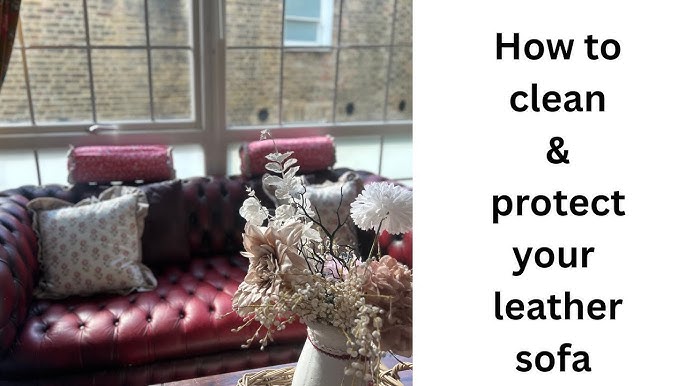
You’ve just settled into your cozy living room, ready to relax on your luxurious leather sofa. But wait!
That unsightly stain or dull patch catches your eye, and suddenly, your relaxation turns into frustration. Sound familiar? Maintaining the pristine look and feel of your leather sofa can seem daunting, but it doesn’t have to be. Imagine confidently inviting friends over, knowing your leather sofa will steal the show with its shine and sophistication.
You’ll discover simple, effective tips and techniques to clean your leather sofa without any hassle. Let’s turn your leather sofa back into the centerpiece it was meant to be, ensuring it remains a source of pride and comfort in your home. Dive in to unlock the secrets of perfect leather care.
Leather Sofa Material Types
Different leather types require specific cleaning methods. Aniline leather needs gentle care with a damp cloth. For protected leather, use a mild soap solution.
Leather sofas come in various materials, each with unique characteristics. Understanding these materials helps in choosing the right cleaning method. Different leather types require different care to maintain their appearance and durability.
Full-grain Leather
Full-grain leather is the most natural form. It has not been sanded or buffed to remove imperfections. This type is durable and develops a beautiful patina over time. It can be cleaned with mild soap and water.
Top-grain Leather
Top-grain leather is a high-quality choice. It is sanded and finished to remove blemishes. This leather is more resistant to stains than full-grain. Use a leather cleaner specifically designed for top-grain leather.
Corrected-grain Leather
Corrected-grain leather has undergone sanding and buffing. It has a uniform appearance due to its artificial grain. This type is often coated with pigments. A soft cloth and gentle cleaner work well for this material.
Bonded Leather
Bonded leather is made from leather scraps and fibers bonded together. It is less expensive and not as durable. Use a gentle cleaning solution and avoid excess water. This prevents damaging the bonded structure.
Aniline Leather
Aniline leather is dyed in a vat but not coated. It has a natural look with visible imperfections. It’s sensitive to stains and sunlight. Regular dusting and conditioning are essential for care.
Semi-aniline Leather
Semi-aniline leather has a thin protective coating. It retains a natural appearance while being slightly more resistant to stains. Clean with a soft cloth and mild soap to preserve its finish. Understanding these leather types aids in effective cleaning. Proper care ensures your leather sofa remains beautiful and long-lasting.

Credit: www.klaussner.com
Essential Cleaning Tools
Maintain your leather sofa’s beauty with essential cleaning tools. Use a soft cloth to wipe away dust. Apply a specialized leather cleaner gently. Regular care ensures longevity and keeps your sofa looking fresh and inviting.
Cleaning a leather sofa might seem daunting at first, but with the right tools, it becomes a breeze. Leather furniture adds a touch of elegance to your home, but it requires special care to maintain its charm. Having the correct cleaning tools not only makes the task easier but also ensures that your leather sofa stays in top condition for years. Let’s delve into the essential cleaning tools you’ll need to make your leather sofa shine.
Soft Cloths Or Microfiber Towels
Using a soft cloth or microfiber towel is crucial when cleaning leather. These materials are gentle on leather surfaces and won’t cause scratches. Always opt for white cloths to avoid any color transfer. A microfiber towel can effectively lift dust and dirt without causing damage.
Leather Cleaner
A quality leather cleaner is a must-have in your cleaning arsenal. Choose a cleaner specifically designed for leather to avoid harsh chemicals that can strip the material’s natural oils. Spray or apply a small amount to a cloth, and gently rub the surface. You might be surprised at how much grime can accumulate over time.
Leather Conditioner
Conditioning leather is akin to moisturizing skin. It keeps the material supple and prevents cracking. After cleaning, apply a leather conditioner to rejuvenate and protect your sofa. Look for conditioners that match your leather type, whether it’s finished or unfinished.
Vacuum With Soft Brush Attachment
A vacuum cleaner with a soft brush attachment helps remove debris from the crevices and seams of your sofa. This tool is particularly useful for getting rid of crumbs and dust that settle in tight spots. A quick vacuum before cleaning ensures a smoother process.
Distilled Water
Distilled water is ideal for cleaning leather as it lacks the impurities found in tap water. Mix it with your cleaner for a gentle solution that won’t leave watermarks. This simple step can make a significant difference in the outcome of your cleaning efforts. Do you have these tools readily available? If not, assembling them is a worthwhile investment for maintaining the beauty and longevity of your leather sofa. Take these practical steps and enjoy a fresh, clean leather sofa that enhances your living space.
Pre-cleaning Inspection
Inspect the leather sofa for stains, scratches, or damage before cleaning. Identify specific areas needing extra care or repair. Understanding the material type ensures proper cleaning methods are applied.
Before diving into cleaning, inspecting your leather sofa is crucial. This step ensures you understand its condition and identify any potential issues. Leather is a delicate material, and knowing its state helps avoid damage during cleaning.
Check For Stains And Spots
Examine the surface for visible stains. Note their size and location. Different stains require specific cleaning methods. Recognizing them early helps in choosing the right approach.
Assess Leather Condition
Feel the leather for dryness or cracks. Dry leather needs conditioning. Cracked leather might need professional care. Identifying these issues beforehand saves time and effort.
Identify Leather Type
Determine if the sofa is made of genuine or faux leather. Genuine leather requires gentler cleaning methods. Faux leather can handle more robust cleaning. Knowing the type ensures proper care.
Check For Wear And Tear
Look for signs of wear on cushions and seams. These areas might be more vulnerable during cleaning. Being aware of wear prevents further damage.
Inspect For Discoloration
Notice any changes in color across the sofa. Discoloration might indicate previous water damage. Understanding this helps tailor your cleaning strategy.
Vacuuming Techniques
Gently remove dust with a soft brush attachment. Use a handheld vacuum to clean crevices. Go over the surface carefully to avoid scratches.
Vacuuming your leather sofa is a crucial step in maintaining its pristine condition. Regular vacuuming helps remove dust, dirt, and crumbs that accumulate over time. This prevents them from settling into the leather and causing damage. Using the right techniques ensures your sofa stays clean without harming the material.
Choosing The Right Vacuum Attachments
Selecting the correct vacuum attachments is essential. Use a soft brush attachment to gently clean the leather surface. This prevents scratches and ensures a thorough clean. Avoid using attachments with hard bristles.
Adjusting Vacuum Settings
Set your vacuum to a low suction setting. High suction can damage the leather. This setting is sufficient to remove dust and small particles. It ensures a safe cleaning process.
Vacuuming Direction
Move the vacuum in straight lines across the sofa. This pattern ensures you cover all areas evenly. It helps in removing dirt effectively.
Attention To Seams And Creases
Focus on seams and creases where dust collects. Use the crevice tool to reach these areas. This tool helps in accessing tight spaces. Ensure thorough cleaning in these parts.
Frequency Of Vacuuming
Vacuum your sofa weekly to maintain cleanliness. Regular cleaning prevents dirt buildup. It keeps your leather sofa looking new.
Spot Treatment Methods
Cleaning leather sofas requires gentle spot treatment techniques. Use a mild soap and water mixture to tackle stains. Dab with a soft cloth, avoiding excessive moisture to maintain leather quality.
Spot treatment methods are crucial for maintaining your leather sofa’s pristine appearance. Knowing how to address specific stains can prevent long-term damage. A gentle approach is key to effective spot cleaning. Leather requires special care to preserve its texture and color.
Identify The Type Of Stain
Understanding the type of stain guides your cleaning method. Some stains need specific solutions. For instance, ink stains differ from food spills. Knowing the source helps choose the right treatment.
Test The Cleaning Solution
Always test the cleaning solution on a hidden area first. This ensures no damage or discoloration occurs. A small patch test is crucial. It protects your sofa’s surface from unexpected reactions.
Use A Soft Cloth
A soft cloth is ideal for applying cleaning solutions. Harsh materials can scratch or damage the leather. Gentle application preserves the leather’s finish. Keep the cloth slightly damp, not soaking wet.
Apply Circular Motions
Circular motions distribute the cleaning solution evenly. This method avoids streaks and spots. It ensures thorough cleaning without excess pressure. Gentle circles work best for maintaining the leather’s smoothness.
Blot, Don’t Rub
Blotting lifts stains without spreading them further. Rubbing can push the stain deeper into the leather. Blot gently with the soft cloth. This technique is effective for managing minor stains.
Dry With A Clean Towel
After cleaning, dry the area with a clean towel. Ensure no moisture remains on the leather. Moisture can lead to mold or mildew. A dry towel completes the spot treatment efficiently.
Condition The Leather
Conditioning restores the leather’s natural oils. It keeps the leather supple and prevents cracking. Apply a leather conditioner after cleaning. This step maintains the sofa’s luxurious feel.
Deep Cleaning Process
Deep cleaning a leather sofa involves gentle vacuuming and wiping with a damp cloth. Use a mild soap solution for stubborn stains. Finish by applying leather conditioner to maintain softness and shine.
Deep cleaning a leather sofa ensures its longevity and maintains its rich appearance. It’s important to use the right products and techniques. Regular cleaning might not remove deep-seated dirt and stains. Here’s how to give your leather sofa a thorough cleanse.
Using Leather Cleaner
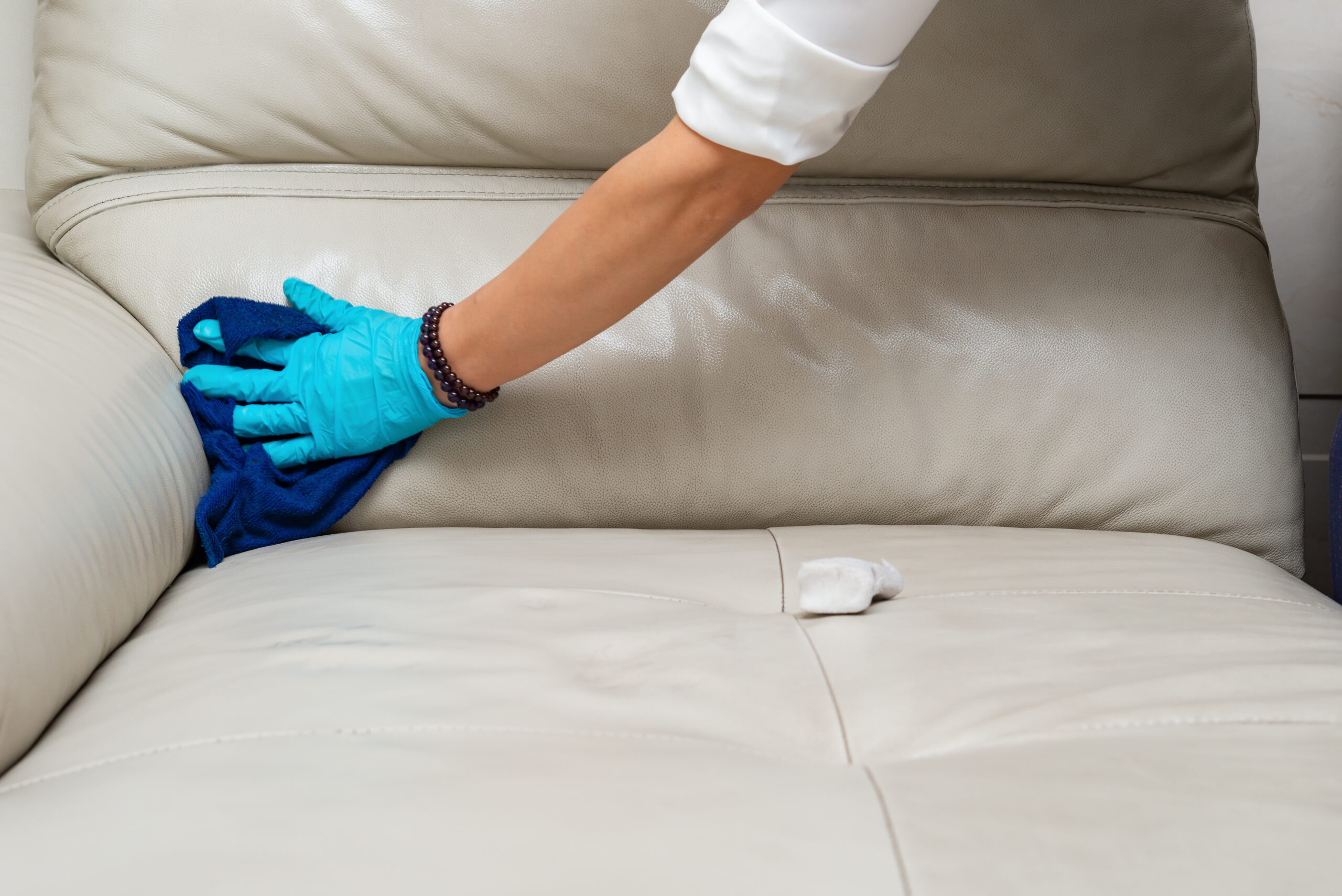
Use a high-quality leather cleaner. Test it on a small area first. Apply the cleaner with a soft cloth. Gently rub in circular motions. Focus on stains and dirty spots. Avoid using too much liquid. Excess moisture can damage leather. Wipe off excess cleaner with a clean cloth. Ensure the sofa is completely dry. This prevents mold and mildew growth.
Applying Leather Conditioner
Conditioning leather keeps it soft and supple. Choose a conditioner made for leather. Apply a small amount on a cloth. Rub it gently over the sofa. Cover the entire surface evenly. Let the conditioner sit for a few minutes. This allows it to penetrate the leather. Buff the sofa with a clean cloth. This step gives the leather a beautiful shine. Conditioning should be done every six months. It prevents cracking and keeps leather looking new.
Handling Stains And Spills
Leather sofas are elegant but prone to stains and spills. Quick action is key to maintaining their beauty. Common spills like water and oil can leave marks. Learn how to handle these effectively to keep your sofa looking great.
Removing Water Stains
Water stains on leather can be tricky. Start by blotting the area with a clean cloth. Ensure not to rub, which could spread the stain. Use a small amount of distilled water to dampen another cloth. Gently rub in a circular motion over the stain. This helps to blend the stain into the leather. Afterward, dry the area with a soft, dry towel. Avoid using heat sources like a hairdryer.
Dealing With Oil-based Stains
Oil stains can be stubborn on leather. Act quickly for best results. Begin by blotting the excess oil with a dry cloth. Do not press too hard. Sprinkle cornstarch or baking soda over the stain. Let it sit for a few hours to absorb the oil. Gently brush off the powder using a soft brush. If needed, repeat this process until the stain fades. Use a leather conditioner afterward to keep the leather supple.
Avoiding Common Mistakes
Cleaning a leather sofa involves using mild soap and water. Avoid harsh chemicals that can damage the leather. Gently wipe with a soft cloth and dry thoroughly to prevent moisture buildup.
Cleaning a leather sofa might seem straightforward, but it’s easy to make mistakes that can lead to damage or discoloration. Understanding the common pitfalls will help ensure your leather stays beautiful and lasts for years. Have you ever found yourself frustrated because your leather sofa looks worse after cleaning? You’re not alone. Let’s dive into some practical tips to avoid these common mistakes.
Using Wrong Cleaning Products
Many people unknowingly use harsh chemicals that strip the leather’s natural oils. Always opt for cleaners specifically designed for leather. Check the labels carefully; even natural products can harm leather.
Scrubbing Too Hard
It’s tempting to scrub vigorously to remove stains, but this can damage the leather’s surface. Use gentle, circular motions with a soft cloth. Excessive force can lead to scratches or faded spots.
Skipping Spot Testing
Never apply a cleaner without testing it on a hidden area first. A small patch test can save you from ruining the entire sofa. Have you ever regretted skipping this step?
Neglecting Regular Maintenance
Leather requires regular care to stay in top condition. Dusting and conditioning should be part of your routine. This prevents buildup and cracking, prolonging the life of your sofa.
Ignoring Manufacturer’s Instructions
Every leather sofa comes with specific care instructions. These guidelines are crucial for maintaining its quality. Following them ensures you don’t void any warranties or cause accidental damage.
Using Excessive Water
Water can cause stains or make leather brittle. Use minimal amounts and always dry thoroughly with a clean cloth. Excess moisture can lead to mold or mildew, which is a nightmare to deal with.
Consider how each of these mistakes can affect your sofa’s appearance and longevity. By avoiding them, you’re taking a significant step towards preserving your investment. Are there any other cleaning mishaps you’ve encountered with your leather furniture?
Maintaining Leather Quality
To clean a leather sofa effectively, use a soft cloth and a gentle cleaner. Test a small area first. Avoid excess water to prevent damage.
Maintaining leather quality is essential for preserving the luxurious look and feel of your leather sofa. Neglecting care can lead to cracks, fading, or a worn-out appearance over time. With a few simple strategies, you can keep your leather sofa looking pristine and extend its lifespan. Let’s dive into some effective techniques for leather care.
Regular Dusting
Dust is one of leather’s silent enemies. It can accumulate in crevices and, over time, contribute to dulling the leather’s natural sheen. To combat this, make dusting your leather sofa a routine task. Use a soft, dry cloth to gently wipe the surface of your sofa. Microfiber cloths work exceptionally well as they trap dust without scratching the leather. If you find dust in tough-to-reach spots, consider using a vacuum with a brush attachment to carefully clean these areas. Regular dusting not only maintains the leather’s appearance but also keeps allergens at bay, making your home environment healthier.
Protecting From Sunlight
Sunlight can be detrimental to leather, causing it to fade and lose its natural oils. If your sofa is near a window, consider repositioning it to avoid direct sunlight exposure. You might think about using curtains or blinds to shield your sofa from harsh rays during peak sunlight hours. If rearranging your furniture isn’t feasible, applying a leather conditioner with UV protection can be a good alternative. Have you ever noticed how your sofa’s color looks different after a sunny day? Keeping it protected from sunlight will help maintain its vibrant color and texture for years to come. Taking these preventive measures can truly make a difference in preserving the quality of your leather sofa. Are there other ways you’ve found effective in maintaining your sofa’s condition?

Credit: news.gardner-white.com
Expert Tips For Longevity
Leather sofas add elegance and comfort to any room. Keeping them clean ensures they last longer and maintain their luxurious look. With expert tips, you can easily care for your leather sofa, preserving its beauty and function.
Use The Right Cleaning Products
Not all cleaning products suit leather. Always choose cleaners specially made for leather. Test any new product on a hidden area first. This helps avoid damage.
Regular Dusting And Vacuuming
Dust your leather sofa weekly. Use a soft cloth for this. Vacuum the sofa to remove crumbs and dirt. Use a vacuum with a soft brush attachment.
Condition The Leather
Leather needs conditioning to stay soft. Apply a leather conditioner every six months. This prevents cracking and keeps the leather supple.
Avoid Direct Sunlight
Sunlight can fade and dry out leather. Place your sofa away from windows. Use curtains or blinds to limit sun exposure.
Blot Spills Immediately
Spills happen. Blot them right away with a clean cloth. Do not rub, as this spreads the liquid. For stubborn stains, consult a professional.
Keep Pets And Sharp Objects Away
Pets’ claws can scratch leather. Keep them off the sofa if possible. Avoid placing sharp objects nearby to prevent accidental tears.
Credit: krasivocleaning.com
Frequently Asked Questions
What Is The Best Way To Clean A Leather Sofa?
Clean a leather sofa using a soft cloth and a mixture of water and mild soap. Gently wipe the surface, avoiding soaking. Dry with a clean towel immediately. Apply a leather conditioner to maintain its suppleness and shine. Test any product on a hidden area first.
What Is Safe To Clean A Leather Couch With?
Use a soft cloth to dust the leather couch regularly. Clean spills immediately with a damp cloth. Apply a leather conditioner monthly to maintain softness. Avoid harsh chemicals and products not specifically designed for leather. Test cleaning products on a small area first to ensure no discoloration occurs.
Can You Use Dawn And Water To Clean A Leather Couch?
Dawn and water can be used to clean a leather couch. Mix a few drops of Dawn with water. Test on a small area first to ensure no damage. Use a damp cloth and gently clean the surface. Avoid soaking the leather, and dry it thoroughly afterwards.
What Should You Not Use On Leather?
Avoid using alcohol, acetone, bleach, and harsh chemicals on leather. They can damage, discolor, and weaken the material. Stick to specialized leather cleaners and conditioners for maintenance.
Conclusion
Caring for a leather sofa is simple with the right steps. Regular cleaning keeps it looking fresh and new. Use a soft cloth and mild soap for gentle cleaning. Avoid harsh chemicals that might damage the leather. Always test a small area first.
Condition the leather to keep it soft and prevent cracks. This routine protects your investment and ensures comfort. Enjoy a clean, inviting sofa that enhances your living space. With these tips, maintain beauty and longevity effortlessly. Happy cleaning!


