
Choosing the perfect sectional sofa can transform your living space into a cozy haven. But before you dive into shopping, you must understand how to measure for a sectional sofa properly.
This crucial step ensures your new furniture fits perfectly in your room without overwhelming the space or leaving awkward gaps. Imagine the satisfaction of knowing your sectional sofa is just the right size, complementing your decor and providing ample seating.
You’ll avoid costly mistakes and save time by getting it right the first time. Ready to discover the simple steps that will guide you through the measuring process? Let’s ensure your living room becomes the comfortable and stylish retreat you’ve always envisioned.
Credit: www.hbcollaborative.com
Choosing The Right Space
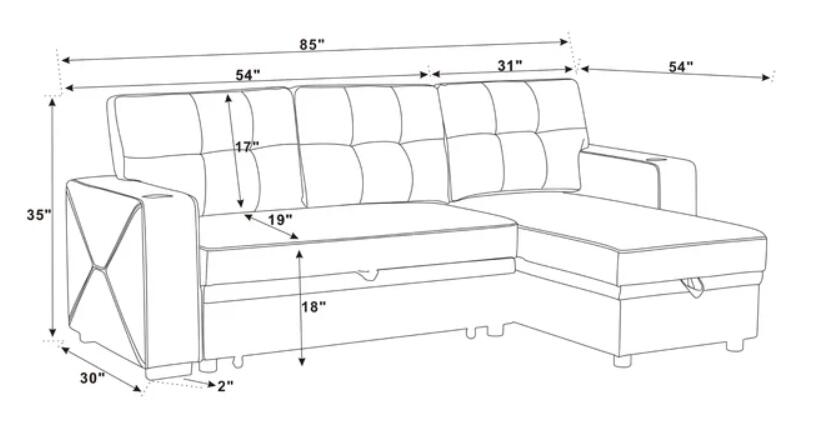
Choosing the Right Space Accurate measurements prevent awkward fits. Measure your room dimensions first. Next, consider the sectional sofa’s length, width, and depth. Lastly, ensure ample walking space and account for doorways or hallways.
Choosing the right space for a sectional sofa can significantly impact your living room’s comfort and functionality. It’s not just about finding a spot that fits; it’s about creating a harmonious balance between style, space, and utility. Before making a purchase, it’s essential to consider a few key factors to ensure your new sofa becomes a seamless part of your home.
Room Dimensions
Begin by measuring your room accurately. Use a tape measure to determine the length, width, and height of the space where you plan to place your sectional sofa. Take note of any architectural features like windows, doors, and fireplaces. These elements can affect the placement and size of your sofa. Sketch a basic floor plan to visualize how different sectional shapes might fit. Consider using online room planners for a more precise layout.
Traffic Flow Considerations
Think about how people move through the room. Your sectional should not obstruct natural pathways or create awkward navigation. If your living room is a high-traffic area, opt for a design that promotes easy movement. L-shaped sectionals often work well in corners, keeping the center of the room open. Ask yourself: Will this layout allow people to move comfortably? Ensuring smooth traffic flow will enhance both the look and function of your space. By carefully considering your room’s dimensions and traffic flow, you can select a sectional sofa that complements your home perfectly. Remember, the right fit is not just about size; it’s about creating an inviting and functional living area.

Credit: www.amazon.com
Understanding Sofa Configurations
Measuring for a sectional sofa involves assessing room dimensions, doorways, and layout. Ensure ample space for seating and movement. Consider the sofa’s shape and configuration for a perfect fit.
Understanding the various configurations of a sectional sofa can transform your living space into a cozy and functional retreat. Whether you’re a minimalist or a maximalist, choosing the right shape and style can enhance the flow and aesthetic of your room. But how do you know which configuration will suit your needs and space?
Common Sectional Shapes
Sectional sofas come in a variety of shapes that cater to different room layouts and personal preferences. The most popular shapes include the L-shape, U-shape, and curved sections. – L-Shaped: Ideal for corner spaces, this shape provides ample seating without overwhelming the room. It’s perfect for open-plan areas where you want to define a specific lounging zone. – U-Shaped: This is perfect for larger spaces where you want to foster conversation. It offers more seating and creates a cozy nook for family gatherings. – Curved Sectional: This design adds a touch of elegance and is great for rooms with a unique layout. It naturally encourages interaction, making it perfect for social spaces. Consider the traffic flow and natural light in your room when choosing a shape. Does one shape allow for better movement or a more open feel?
Modular Options
Modular sectionals offer flexibility that traditional options can’t match. They allow you to customize and reconfigure pieces based on your needs or mood. – Customizable Arrangements: You can add or remove sections as needed, which is ideal if your living space or family size changes. – Diverse Styles: From chaise lounges to sleeper sofas, modular pieces can match any style or function. – Easy to Move: Lighter sections mean you can rearrange without much hassle. Perfect for those who like to refresh their space frequently. Modular options are perfect for those who value flexibility and adaptability. Have you ever considered how your needs might change in the future? A modular sofa could be your long-term solution. Understanding these configurations can help you make an informed decision and find the perfect sectional that fits your lifestyle and space.
Measurement Techniques
Measuring for a sectional sofa requires careful attention to room dimensions and furniture layout. Begin with measuring the available space. Ensure pathways and doorways are accessible. Consider the sofa’s depth, length, and height to match the room’s size. This ensures a perfect fit and comfortable arrangement.
Choosing the perfect sectional sofa can transform your living space into a cozy and inviting area, but it all starts with accurate measurements. Without proper measurements, you may end up with a sofa that overwhelms your room or doesn’t fit through the door. By using simple measurement techniques, you can ensure your new sectional sofa is a perfect fit for your home.
Using A Tape Measure
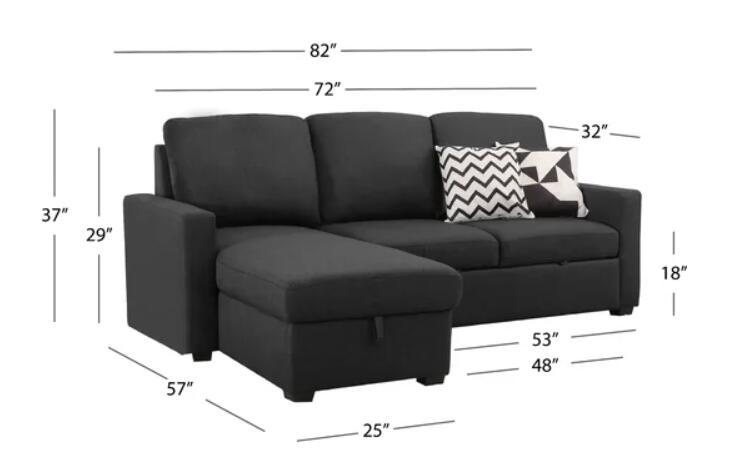
A tape measure is your best friend when measuring for a sectional sofa. Begin by measuring the length and width of the room where the sofa will be placed. Don’t forget to measure doorways, hallways, and any tight spaces the sofa must pass through. This ensures that the sofa can be delivered without a hitch. Measure the space where you plan to put the sofa. Consider the entire footprint of the sectional, including any chaise or corner pieces.
Marking The Layout
Once you have the measurements, it’s time to visualize the layout. Use painter’s tape or chalk to mark the dimensions of the sofa on your floor. This simple step helps you see how the sofa will fit in the room and ensures there’s enough space for movement around it. Consider the flow of the room. Will the sectional interrupt pathways or block windows? Adjust the markings to find the ideal placement. By following these measurement techniques, you can confidently choose a sectional sofa that complements your space and lifestyle. Have you ever misjudged the size of furniture for your home? Let these tips guide you to make the perfect choice!
Credit: www.hbcollaborative.com
Account For Other Furniture
Measuring for a sectional sofa involves assessing the room’s dimensions and layout. Consider doorways and pathways to ensure smooth delivery. Plan for extra space to accommodate additional furniture and ensure a comfortable flow.
When measuring for a sectional sofa, it’s essential to consider the other furniture in the room. It’s not just about fitting the sofa itself, but ensuring a cohesive and functional layout. A sectional can become the focal point, but it shouldn’t overpower or clash with your existing pieces. Let’s delve into how to account for other furniture to maintain a well-balanced living space.
Balancing With Existing Pieces
Your sectional sofa should complement, not compete with, the furniture you already own. Take a moment to evaluate the size and style of your existing pieces. Are they modern, traditional, or eclectic? Consider the visual weight of each piece. A heavy, dark wood coffee table might be balanced by a lighter, fabric-covered sectional. If your room is already filled with large furniture, you might opt for a smaller sectional to avoid a cramped look.
Creating Harmony In Design
Achieving harmony is about more than just matching colors. Think about the flow of movement around your room. Can you easily navigate from the sofa to a side table or bookshelf without obstacle? Use similar materials or color palettes to tie pieces together. For instance, if your bookshelf has metal accents, you might choose a sectional with metal legs. This subtle connection can create a sense of unity. Ask yourself, does your furniture invite conversation and create a welcoming atmosphere? Arranging pieces to encourage interaction can transform your space into a cozy retreat. Remember, the goal is to create a room where every piece feels like it belongs, enhancing both function and aesthetics.
Considering Doorways And Staircases
Measuring a sectional sofa requires careful consideration of doorways and staircases. Assess the dimensions of these spaces to ensure smooth delivery. Accurate measurements prevent potential issues when moving the sofa into your home.
When planning to bring a new sectional sofa into your home, it’s crucial to consider more than just the size of your living room. Doorways and staircases can often present unexpected challenges. Many have faced the frustration of finding the perfect couch, only to realize it can’t fit through the front door. By measuring these critical entry points, you ensure a smooth delivery process and avoid any potential disappointments.
Navigating Entry Points
Start by measuring the height and width of all doorways the sofa will pass through. Don’t forget to consider any architectural features like moldings or door handles that could reduce space. If a door cannot be removed, measure the diagonal width of the door opening. Staircases can be tricky too. Measure the width of the staircase and any landings. Consider the ceiling height at the top and bottom of the stairs, as these can limit how you maneuver the sofa. A friend once found out the hard way when a staircase corner blocked her sofa’s path completely.
Handling Tight Corners
Corners are another common hurdle. Measure the width and height of the corner space. Check if there’s any wiggle room to tilt or pivot the sofa around tight bends. Think about your sectional in sections. Can it be disassembled to make the move easier? Many sectionals come apart, allowing for easier navigation through tight spaces. A modular design could make all the difference in handling those tricky corners. Are there any obstacles like light fixtures or bannisters that could impede the sofa’s path? Small details like these can be easy to overlook but can cause significant delays during delivery. Addressing them ahead of time saves both time and frustration.
Accounting For Comfort And Style
Choosing the right sectional sofa requires a careful balance of comfort and style. This piece of furniture is often the centerpiece of your living room, so it should reflect your personal taste while ensuring relaxation. As you measure for your sectional sofa, consider how these elements work together to create a space that is both inviting and functional.
Balancing Aesthetics And Functionality
Think about how the sofa fits with the rest of your décor. Do its lines and colors complement your living room? A sleek, modern sectional might look stunning, but if it doesn’t offer the comfort you need, it may not be the best choice.
Consider the materials and textures. A fabric that feels good against your skin can make a difference in how often you use the sofa. Is there room for decorative pillows or a stylish throw blanket to enhance its visual appeal? Balance aesthetics with the practical elements that make a sofa enjoyable to use every day.
Prioritizing Comfort
Comfort is essential, but how do you measure it? Sit on different styles and feel the support they offer. Are the cushions firm enough to hold their shape but soft enough to relax into? Remember, comfort can often surprise you in ways you didn’t expect.
Think about the seating arrangement. Are you planning frequent gatherings? Ensure that the sofa provides ample seating without compromising personal space. Can everyone stretch out comfortably during movie nights? Comfort should never take a backseat to style.
Ultimately, ask yourself: does this sectional invite you to unwind? Your living room is your sanctuary, and your sectional should make you feel at home. Are you ready to enjoy both its comfort and style?
Finalizing The Measurements
Ensuring precise measurements for a sectional sofa involves assessing available space and accounting for doorways and pathways. Measuring each section separately aids in fitting the sofa seamlessly into your room.
Finalizing the measurements for your sectional sofa is crucial. It ensures the perfect fit in your living space. Accurate measurements prevent costly mistakes. They help you choose the right size. A well-fitted sofa enhances comfort and aesthetics.
Double-checking Dimensions
Re-measure every side of your space. Confirm each dimension twice for accuracy. Use a reliable measuring tape. Ensure the tape is straight and taut. Record all measurements clearly. Compare them with your initial notes. Look for discrepancies. Verify doorways and pathways. Ensure the sofa can pass through easily.
Consulting With Professionals
Professional advice can be invaluable. Interior designers offer expert guidance. They ensure your sofa fits seamlessly. Furniture stores often provide consultation services. They help match your measurements with the ideal sectional. Sometimes, expert installers can visit your home. They measure and confirm details. This avoids unexpected surprises.
Frequently Asked Questions
How To Calculate Sectional Dimensions?
To calculate sectional dimensions, measure width, height, and depth using a ruler or tape measure. Multiply these values for volume. Use appropriate units like inches or centimeters. Ensure accuracy by double-checking measurements. Record dimensions for reference.
What Size Sectional Should I Get For My Room?
Measure your room dimensions first. Choose a sectional that fits comfortably, leaving space for movement and other furniture. Consider your seating needs and layout preferences. Opt for a modular design for flexibility. Ensure it complements your room’s style and color scheme for a cohesive look.
What Size Sectional For A 12×12 Room?
Choose a sectional measuring around 6-7 feet wide for a 12×12 room. This size allows comfortable seating without overwhelming the space. Prioritize a compact design that maintains room flow and complements the layout. Always measure your room and sectional before purchasing to ensure a perfect fit.
How To Measure L Shape Sofa Size?
Measure the length and width of each section of the L-shape sofa. Include armrests and back height. Measure from the outermost edges for accuracy.
Conclusion
Measuring for a sectional sofa doesn’t have to be hard. Start by knowing your room dimensions. Then, consider the layout you want. Measure doorways and stairs for easy delivery. Consider the sofa’s shape and style. Don’t forget to leave space for movement.
Think about comfort and function. Double-check your measurements to avoid mistakes. Take your time. This ensures you find the perfect fit for your home. With the right approach, you can enjoy a cozy sectional that complements your space beautifully.


