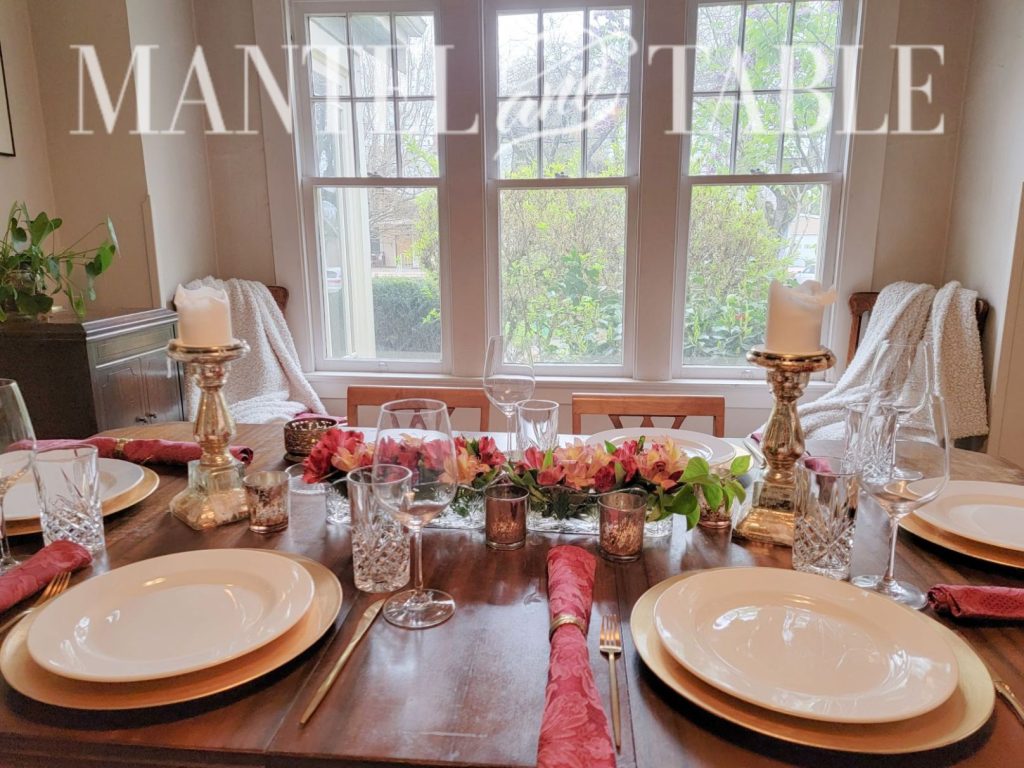
Do you ever wonder how to create that perfect, elegant dining atmosphere at home? Imagine hosting a dinner where your guests are not only impressed by your culinary skills but also by the sophistication of your table setting.
Knowing how to set up a formal dining table is like possessing a secret key to hosting elegance. It’s about more than just placing plates and cutlery; it’s about crafting an experience that delights the senses. Picture your guests’ eyes lighting up as they take their seats, admiring the careful attention to detail.
In this guide, you’ll discover simple, step-by-step instructions to transform your dining space into a captivating setting. Ready to elevate your hosting game and leave a lasting impression? Let’s dive into the art of setting up a formal dining table.

Credit: www.hello-hayley.com
Choosing The Right Tableware
Elegant tableware elevates a dining experience, setting a refined tone. Align plates, silverware, and glassware with precision. Choose classic designs for a sophisticated touch, ensuring each piece complements the overall aesthetic.
Choosing the right tableware is a crucial step in setting up a formal dining table. It’s like the foundation upon which you build an exquisite dining experience. Each element—from dinner plates to cutlery—serves its own purpose and adds a layer of sophistication. The key is to select pieces that complement each other and enhance the overall aesthetic of your dining arrangement. So, what should you consider when picking tableware? Let’s break it down.
Dinner Plates And Chargers
Dinner plates are the centerpiece of your table setting. Opt for plates that are elegant yet simple, allowing the food to be the star. White or neutral-colored plates offer versatility and elegance. Chargers, or service plates, are placed beneath the dinner plates and can add a splash of color or texture to your table. They serve as a decorative base and are removed before the main course is served. Think of chargers as the picture frame highlighting your culinary masterpiece.
Selecting Glassware
Glassware is more than just a vessel; it’s part of the dining experience. Choose glasses that are crystal clear and feel good in your hand. Consider the drinks you’ll be serving: wine glasses for reds and whites, water glasses for hydration, and perhaps a flute for champagne. Matching glassware can create a sense of unity across your table. Picture your guests lifting their glasses in a toast—do your selections elevate that moment?
Cutlery Essentials
Cutlery is an essential component that guests will interact with throughout the meal. Select pieces that are comfortable to hold and pleasing to the eye. Stainless steel is a popular choice for its durability and shine, but silverware offers a touch of tradition and elegance. Arrange your cutlery in the order it will be used, starting from the outside and moving inward. Imagine your guests using each piece with ease—does your cutlery selection make that possible?
Credit: www.hgtv.com
Arranging Place Settings
Arrange plates about an inch from the table’s edge for a neat look. Place forks on the left, knives and spoons on the right. Add a glass above the knife, and position napkins beside or on plates for elegance.
Arranging a formal dining table can transform an ordinary meal into a memorable experience. The key to a stunning setup lies in the details of the place settings. Each element, from the plates to the glassware, contributes to a cohesive and elegant presentation. Whether you’re hosting a dinner party or a special family gathering, understanding how to arrange each component will elevate your dining decor and impress your guests.
Placing The Plates
Begin with the dinner plate, which serves as the foundation of your place setting. Position it at the center of each setting, approximately two inches from the edge of the table. If you’re serving multiple courses, stack the salad plate on top of the dinner plate to save space and maintain a neat appearance. Consider the aesthetics as you choose your plates. If your table setting features bold colors, opt for neutral plates to balance the overall look. Conversely, decorative plates can add a touch of elegance to simpler table settings.
Glassware Arrangement
Glassware placement is crucial for both functionality and style. Place the water glass directly above the dinner knife. The wine glass should sit to the right and slightly above the water glass, creating a diagonal line. If you’re serving both red and white wine, arrange the glasses in the order they will be used, with the white wine glass closest to the guest. Ensure the glassware is polished and free of smudges for that extra sparkle when the light hits them.
Positioning Cutlery
Proper cutlery placement is both an art and a science. Arrange the utensils in the order of use, starting from the outside and working inward toward the plate. The knife and spoon should be on the right side of the plate, with the knife blade facing the plate. On the left, place the forks, with the salad fork on the outside if you’re serving a salad course. Remember, the dessert spoon or fork can be placed horizontally above the dinner plate for easy access. How often have you been unsure about which fork to use first? By setting your table correctly, you guide your guests seamlessly through the meal, enhancing their dining experience.
Adding Decorative Elements
Adding Decorative Elements Elevate your formal dining table setting by incorporating tasteful centerpieces and elegant candle holders. Use matching napkin rings and placemats to enhance the overall look. Subtle touches, like fresh flowers or seasonal decor, can add charm and sophistication.
Adding decorative elements transforms a dining table from simple to stunning. These touches create a memorable dining experience. They show attention to detail and personal style. Explore how to enhance your table setting with simple yet elegant additions.
Centerpieces And Flowers
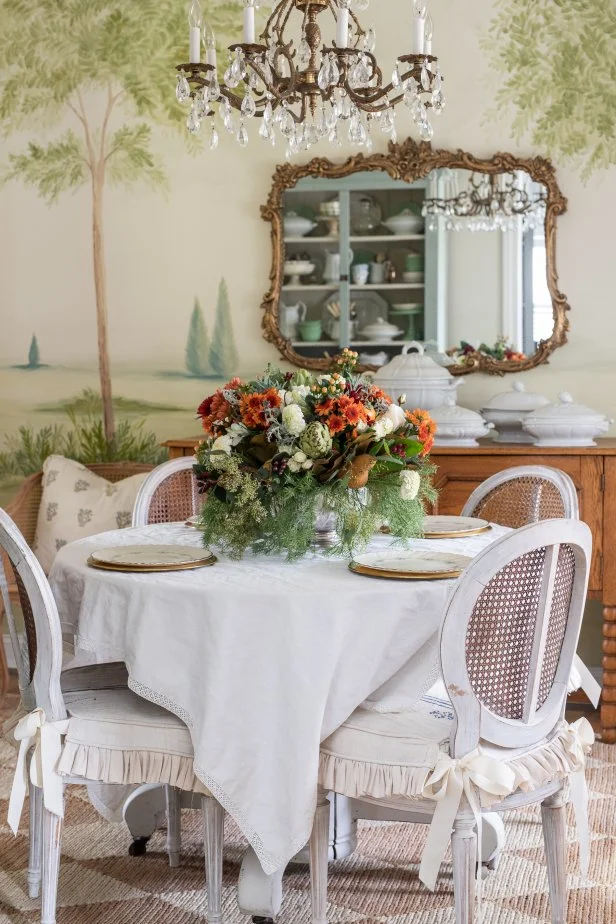
A centerpiece is the focal point of your table. Choose something that suits the occasion. Flowers are a classic choice. Select seasonal blooms for freshness. Arrange them in a vase that complements the table. Keep the height low to allow conversation across the table. Non-floral centerpieces work too. Consider candles, sculptures, or themed decor.
Table Linens And Napkins
Table linens set the foundation for your dining table. Choose a tablecloth that matches your theme. It should drape evenly over the edges. Napkins add a touch of sophistication. Fold them neatly or use napkin rings. Coordinate their color with the tablecloth. This creates a harmonious look. Ensure linens are wrinkle-free for a polished appearance.
Personalized Touches
Personalized elements make guests feel special. Place name cards at each setting. Use elegant fonts for a classy look. Small favors or thank you notes add warmth. Tailor these to the occasion. Consider a unique theme or color scheme. These personal touches leave a lasting impression. They make the dining experience more intimate and memorable.
Creating Ambiance
Creating Ambiance Setting a formal dining table begins with a clean, elegant tablecloth. Add matching dishes and polished cutlery. Finish with crystal glasses and a simple centerpiece for a classy touch.
Creating the perfect ambiance for a formal dining table can transform a simple meal into an unforgettable experience. Every detail, from lighting to scent, contributes to the mood and atmosphere. It’s about creating a welcoming environment where every guest feels special. Let’s dive into the essential elements that can elevate your dining experience.
Lighting Considerations
Lighting sets the mood for your dining experience. A dimly lit room with the gentle glow of candles can make the evening feel intimate and special. Consider using a combination of overhead lighting and candles to achieve a balanced effect. Use dimmers on your overhead lights to adjust brightness. This allows you to control the ambiance based on the time of day and the mood you want to create. A chandelier or pendant light can add elegance and serve as a focal point. Candles are not only a source of light but also add a touch of romance and warmth. Choose unscented candles to prevent overpowering food aromas. Arrange them at varying heights to add visual interest.
Background Music
Music can subtly enhance your dining experience. It sets the tone and can even spark conversation. Choose tunes that complement the occasion—classical music for sophistication, jazz for a relaxed vibe, or soft instrumental for an elegant touch. Keep the volume low so it doesn’t overpower the conversation. You want it to be a gentle accompaniment, not a distraction. Consider creating a playlist in advance to avoid interruptions during dinner. Think about the interests of your guests. A personalized playlist can make the evening more memorable and show that you’ve put thought into their enjoyment.
Scent And Fragrance
A pleasant aroma can enhance the dining experience and create a lasting impression. While the scent of food should be the star, a subtle background fragrance can add depth to the atmosphere. Consider using essential oil diffusers or lightly scented candles. Opt for fresh, clean scents like lavender or citrus that won’t compete with the meal’s aroma. Remember that less is more. Overpowering scents can interfere with the dining experience. Always test fragrances in advance to ensure they blend harmoniously with your setting. Creating ambiance is about engaging all the senses. By thoughtfully considering lighting, music, and scent, you can craft a dining experience that feels both personal and extraordinary. So, what will you do to make your next dinner party unforgettable?
Formal Dining Etiquette
Formal dining etiquette transforms an ordinary meal into a special event. It involves careful attention to details, ensuring each guest feels valued and comfortable. The elegance of a well-set table complements the sophistication of the meal, creating an unforgettable experience.
Proper Serving Techniques
Serving dishes with finesse enhances the dining experience. Use serving utensils to transfer food onto plates, avoiding direct contact with hands. Serve from the left and clear from the right. This orderly method respects the guest’s space and contributes to a seamless dining flow.
Guest Seating Arrangements
Seating arrangements can influence the atmosphere of the dinner. Arrange seats to encourage conversation and ensure comfort. Consider pairing guests with similar interests or personalities. This thoughtful arrangement fosters a warm and engaging environment.
Handling Special Occasions
Special occasions demand extra attention to detail. Incorporate themed elements or personalized touches. Adjust the menu or table setting to reflect the event’s significance. These efforts show appreciation for the guests and elevate the dining experience.
:strip_icc()/bhg-thanksgiving-table-05-22649_5U-pKJVaKqqBfvSa3qptnr-58bdecce49b24378aa9121f90ebc942c.jpg)
Credit: www.bhg.com
Frequently Asked Questions
What Are The 7 Essentials To Setting A Table?
The 7 essentials to setting a table include plates, utensils, glasses, napkins, placemats or tablecloth, centerpiece, and salt and pepper shakers. Ensure each item is clean and properly placed to enhance the dining experience.
What Are The 5 Classic Table Settings?
The 5 classic table settings are formal, casual, buffet, breakfast, and five-course. Each setting varies in utensils, plates, and glassware arrangement to suit different dining occasions. Understanding these settings enhances dining experiences and showcases etiquette and style.
Where Do Napkins Go On A Formal Table Setting?
Place the napkin on the left of the forks or on the plate. Fold it neatly for elegance. Napkins add a touch of sophistication to any formal setting. Ensure the napkin is easily accessible for guests.
What Do You Put In The Middle Of A Dining Table?
Place a centerpiece like a vase of flowers, a decorative bowl, or candles in the middle of a dining table. Choose items that complement your table’s theme and enhance the dining experience. Keep it simple and elegant to avoid clutter and maintain a welcoming atmosphere.
Conclusion
Creating a formal dining table setup is simpler than it seems. Start with a clean surface. Place the tablecloth neatly. Position the plates in the center. Arrange cutlery properly: forks on the left, knives and spoons on the right. Add glasses above the knives.
Napkins go beside the forks. Use simple decor like flowers or candles. Double-check everything. Ensure it’s tidy and inviting. This setup impresses guests and enhances meals. Feel confident next time you host. Practice makes perfect. Enjoy each meal shared around your beautifully set table!


