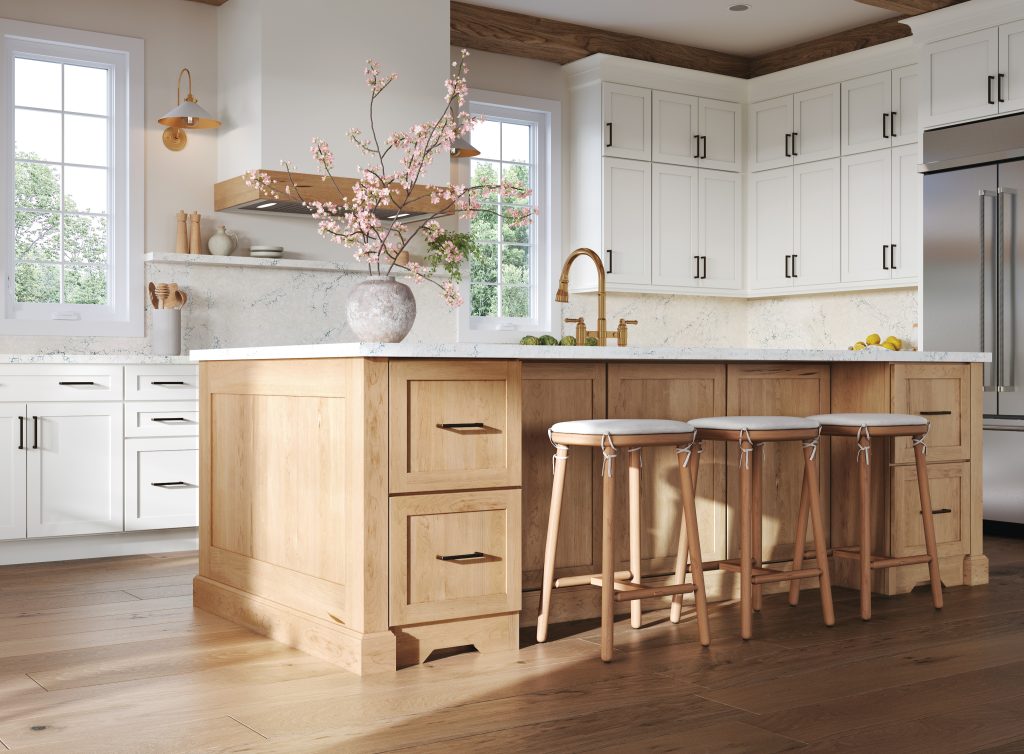
Are you dreaming of a kitchen island but unsure about the right size? You’re not alone.
Many homeowners find themselves puzzled when it comes to determining the perfect width for a kitchen island. The good news? Getting the size right can transform your kitchen into a functional and stylish space. Imagine the joy of having a central hub where you can cook, chat, and entertain effortlessly.
By understanding the ideal dimensions, you can maximize both comfort and efficiency. Dive into this guide to discover how a well-sized kitchen island can truly elevate your cooking experience and enhance your home’s appeal. Ready to unlock the secrets to your dream kitchen? Keep reading, and let’s explore the perfect fit for your culinary haven.
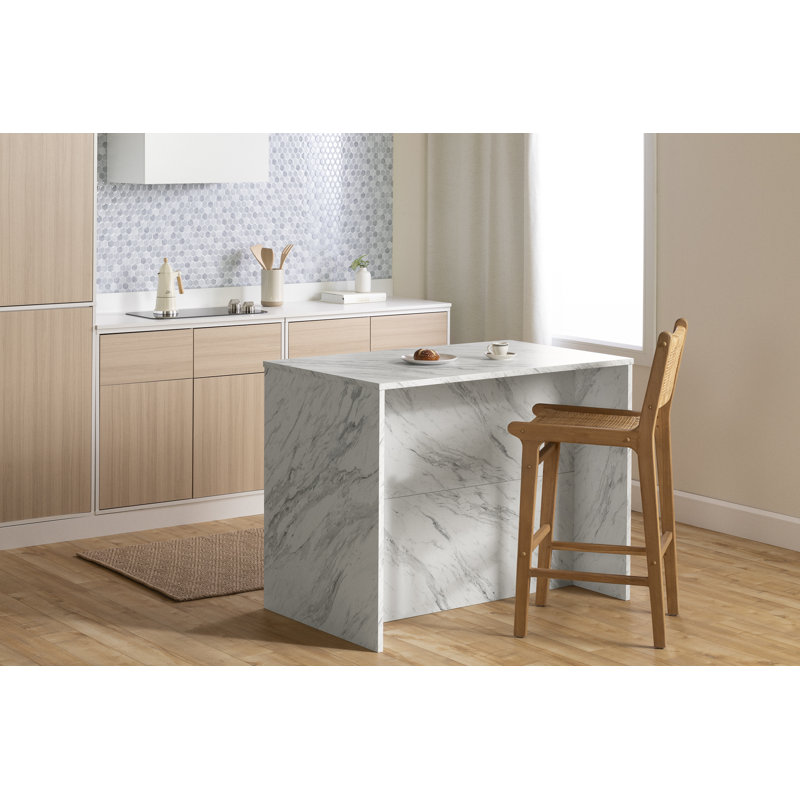
Credit: www.wayfair.com
Standard Dimensions
Kitchen islands offer both style and functionality, serving as a central spot for cooking and gathering. Understanding standard dimensions helps ensure the island fits seamlessly into your space.
Average Width
The average width of a kitchen island ranges from 36 to 48 inches. This size provides adequate space for food preparation and seating. Larger kitchens may accommodate wider islands, enhancing their utility.
Height And Length Considerations
Standard island height matches typical counter height, about 36 inches. This height allows comfortable use for cooking and dining. Length varies based on kitchen size and layout. An island should be at least 4 feet long to be practical. Smaller kitchens may have shorter islands to save space.
Customizing For Your Space
Customizing a kitchen island to fit your space is essential. The right size enhances functionality and style. It depends on your kitchen’s layout and size. Whether your kitchen is small, large, or open-concept, you can find an ideal fit. Let’s explore some tailored solutions.
Small Kitchen Solutions
Small kitchens need efficient use of space. A compact island can be a perfect choice. Opt for a narrow or portable island. This allows more room for movement. Consider islands with built-in storage. They help keep the area tidy and functional.
Large Kitchen Options
Large kitchens can accommodate bigger islands. This provides ample workspace and seating. Consider a multi-level design. It adds dimension and function. You can integrate appliances like a sink or cooktop. It enhances convenience and workflow.
Open-concept Layouts
Open-concept kitchens benefit from versatile islands. They define spaces without walls. Choose an island with seating for a social hub. It connects the kitchen to the living area. Ensure the island complements the overall aesthetic. It creates a harmonious space.
Functional Design Elements
Kitchen islands typically range from 2 to 4 feet in width. This size allows for efficient workspace and movement.
Kitchen islands are central to modern kitchens. They offer both style and function. When designing, consider the functional elements. These elements ensure the island meets daily needs.Storage Needs
A well-designed island boosts storage. Cabinets and drawers add valuable space. They help organize kitchen essentials. Built-in shelves offer easy access. Open shelving displays decorative items. Customize storage to fit your lifestyle.Seating Arrangements
Seating transforms an island into a gathering spot. Bar stools encourage casual meals. Ensure ample legroom for comfort. Consider adjustable seating for flexibility. Blend seating styles with your kitchen theme. This enhances the overall aesthetic.Appliance Integration
Integrating appliances enhances functionality. Consider adding a cooktop or microwave. This saves space and streamlines cooking. A built-in dishwasher keeps cleanup easy. Choose appliances that match your kitchen’s style. Proper integration leads to a seamless look.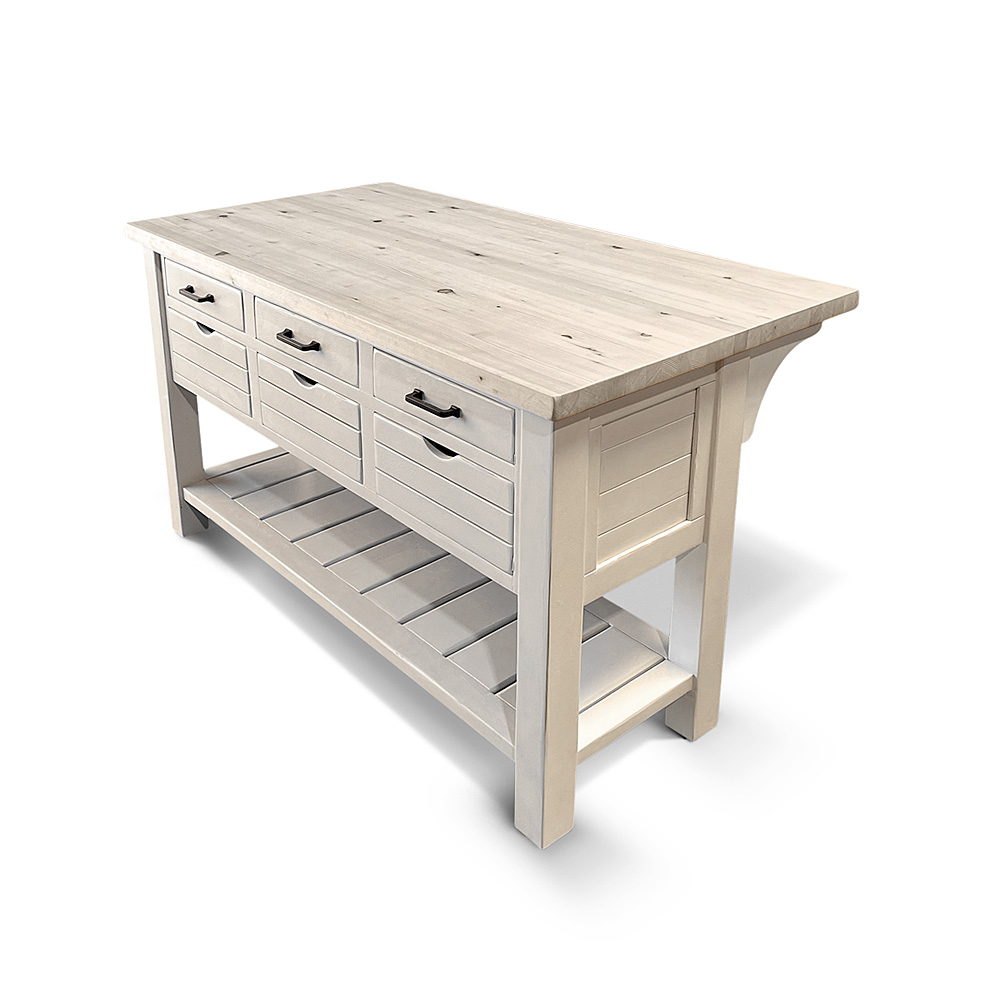
Credit: www.vintagemillwerks.com
Materials And Finishes
Kitchen islands typically range from 36 to 48 inches in width. This dimension provides ample space for cooking and dining. The choice of materials and finishes can enhance both functionality and aesthetics.
The materials and finishes you choose for your kitchen island significantly impact both its functionality and aesthetic appeal. Whether you aim for a sleek modern look or a warm rustic charm, the options are vast and varied. Your choice should reflect your lifestyle, taste, and the practical needs of your kitchen space.Popular Choices
Homeowners often gravitate towards materials like granite and quartz for their durability and timeless appeal. Granite offers unique patterns and can handle the heat from pots and pans. Quartz, on the other hand, is engineered to resist stains and scratches, making it a favorite for busy kitchens. Wood remains a classic option, providing warmth and character. With choices ranging from maple to walnut, wood can be tailored to fit any design scheme. Stainless steel is also gaining popularity for its industrial vibe and hygienic surface.Durability And Maintenance
Granite and quartz require minimal maintenance but should be sealed regularly to prevent any damage. They are resilient against most kitchen activities, but it’s essential to be cautious with acidic substances that can dull their shine. Wood, while beautiful, demands more attention. Regular oiling and prompt cleaning of spills are crucial to avoid stains and warping. It’s worth considering how much time you’re willing to invest in upkeep before making your choice. Stainless steel, though easy to clean, can show fingerprints and scratches. However, its durability is unrivaled, making it ideal for chefs and avid home cooks. Are you ready to match your kitchen island to your lifestyle? Consider how much time you spend cooking and cleaning when choosing the perfect material and finish.Budget Considerations
Consider the cost of expanding kitchen islands. Wider designs may increase expenses for materials and installation. Evaluate your budget carefully before deciding.
Budget Considerations Creating the perfect kitchen island involves more than just design; it’s crucial to align your vision with your budget. Costs can vary significantly, depending on factors like materials, size, and installation preferences. Understanding these elements can help you make informed decisions without stretching your finances.Cost Breakdown
When planning your kitchen island, it’s essential to break down costs into manageable sections. Consider materials like granite, quartz, or butcher block; each has its own price range. Don’t forget about additional features like sinks or electrical outlets, which can increase your overall expenses. A detailed budget plan will help you prioritize what’s most important for your island.Diy Vs. Professional Installation
Deciding between DIY or professional installation can impact your budget significantly. DIY might save you money upfront, but it requires time, tools, and skills. Professional installation offers expertise and peace of mind, but usually comes at a higher cost. Weighing these options is crucial: would you prefer to invest time and effort or spend extra for convenience? In my own kitchen remodel, I opted for DIY installation. While it saved money, the learning curve was steep. Yet, the satisfaction of crafting something personal was priceless. What would you choose for your kitchen island journey?Trends In Kitchen Island Design
Kitchen islands have become the focal point in modern homes, transforming from mere functional spaces to stylish hubs for cooking, dining, and socializing. As design trends evolve, so do the options for kitchen islands. Whether you’re updating your existing setup or planning a new kitchen, understanding the latest trends in kitchen island design can help you create a space that’s both beautiful and practical.
Modern Styles
Today’s kitchen islands embrace sleek designs that prioritize clean lines and minimalist aesthetics. Consider opting for islands with smooth surfaces like quartz or granite that not only look stunning but are also easy to clean. Many homeowners are choosing islands with integrated appliances, such as cooktops and sinks, to maximize functionality without compromising style. Open shelving and smart storage solutions are popular, allowing you to display your favorite kitchenware while keeping clutter at bay.
Eco-friendly Options
If you’re passionate about sustainability, eco-friendly kitchen islands might be the perfect choice for you. Materials like reclaimed wood and bamboo are gaining popularity, offering durability and a unique, rustic charm. You can also explore islands equipped with energy-efficient fixtures, such as LED lighting, which not only reduce your carbon footprint but also save on electricity costs. Imagine the satisfaction of preparing meals in a space that reflects your commitment to the environment.
Have you ever considered how your kitchen island design impacts the atmosphere of your home? By choosing elements that align with modern or eco-friendly trends, you can create a space that truly resonates with your lifestyle. Whether it’s the sleek elegance of modern styles or the conscious choices of eco-friendly options, there’s a kitchen island design that can enhance your daily routines and elevate your home’s aesthetic.
Tips For Homeowners
Choosing the right kitchen island width can be challenging for homeowners. It’s essential to balance space, functionality, and aesthetics. With the right tips, homeowners can make informed decisions that suit their needs and style.
Maximizing Space
Maximize your kitchen space with the right island width. Measure your kitchen area carefully. Ensure there’s enough room for movement. Aim for at least 36 inches of clearance on all sides. This space allows for easy navigation and workflow. Consider the shape of your kitchen. A rectangular island suits long kitchens, while square islands fit compact spaces. Keep in mind the seating arrangements. Plan your island to accommodate comfortable seating without crowding.
Enhancing Functionality
Your kitchen island should enhance functionality. Include features like storage and appliances. A built-in sink or cooktop can save space and add convenience. Opt for drawers and cabinets to store utensils and cookware. This keeps your kitchen organized and clutter-free. Ensure the island’s height complements your tasks. Standard height works for food prep, while taller islands serve as breakfast bars. Choose materials that are durable and easy to clean. This ensures your kitchen island remains functional and stylish for years.

Credit: www.hardwoodcountertops.com
Frequently Asked Questions
What Is A Good Width For A Kitchen Island?
A good kitchen island width is typically 36 to 48 inches. This allows for ample workspace and seating. Ensure there’s at least 36 inches of clearance on all sides for easy movement. Adjust dimensions based on your kitchen size and needs for optimal functionality and design.
What Is The Rule Of Thumb For Kitchen Island?
A kitchen island should have at least 36 inches of clearance on all sides for easy movement. It should be proportionate to the kitchen size, usually 2 to 4 feet wide. Ensure functionality by including seating space and storage options if needed.
What Is The 3×4 Kitchen Rule?
The 3×4 kitchen rule suggests arranging kitchen zones for storage, cooking, and cleaning in a compact 3×4 grid. This efficient layout maximizes space, enhances workflow, and improves accessibility, making kitchen tasks easier and more organized for homeowners.
What Is The Golden Ratio For Kitchen Island?
The golden ratio for kitchen islands is typically 4 feet wide by 7 feet long. This ensures ample space for seating, cooking, and movement. The proportion offers aesthetic appeal and functional efficiency, making it ideal for most kitchen layouts. Always consider room size and design preferences when planning.
Conclusion
Kitchen islands come in many sizes. Choosing the right width matters. It impacts space and functionality. Measure your kitchen area first. Consider your needs. Cooking space? Seating? Storage? Balance is key. Avoid overcrowding your kitchen. Allow enough room to move.
Think about your daily routine. Will your family gather here? Use stools or chairs wisely. Islands can improve kitchen flow. They enhance organization and style. Always prioritize comfort and efficiency. Your kitchen island should blend seamlessly. It should serve your lifestyle.
Make it a welcoming centerpiece. A well-chosen island enriches your home.


