Dry air can make your home feel uncomfortable. It can cause itchy skin, irritated eyes, and even make it harder to breathe.
But what if you don’t have a humidifier? Don’t worry—you can still add moisture to your air with simple tricks you can do right now. You’ll discover easy and effective ways to boost humidity naturally. Keep reading to find out how to make your space feel cozy and fresh without spending a dime on gadgets.
Your comfort is just a few steps away!
Benefits Of Adding Moisture Indoors
Adding moisture to indoor air improves comfort and health. Dry air causes many problems in homes and offices. Moist air helps reduce these issues by balancing humidity levels. It also makes the environment feel warmer and more inviting.
Healthy moisture levels protect skin from drying and cracking. It can also ease breathing and reduce irritation in the nose and throat. Moist air supports better sleep and helps prevent colds and flu.
Improves Skin Health
Dry air pulls moisture from the skin. This causes itchiness and flaking. Adding moisture indoors helps keep skin soft and smooth. It reduces dryness and irritation.
Reduces Respiratory Issues
Breathing dry air can irritate the nose and throat. It may cause coughing and congestion. Moist air soothes these symptoms. It helps keep airways clear and comfortable.
Protects Wooden Furniture And Floors
Wood shrinks and cracks in dry air. Moisture prevents damage to furniture and floors. It keeps wood strong and looking good longer.
Prevents Static Electricity
Dry air causes static shocks. Adding moisture reduces static buildup. This makes daily life more comfortable.
Enhances Indoor Plant Health
Plants need humidity to thrive. Moist air helps keep leaves healthy. It supports growth and prevents leaf drop.
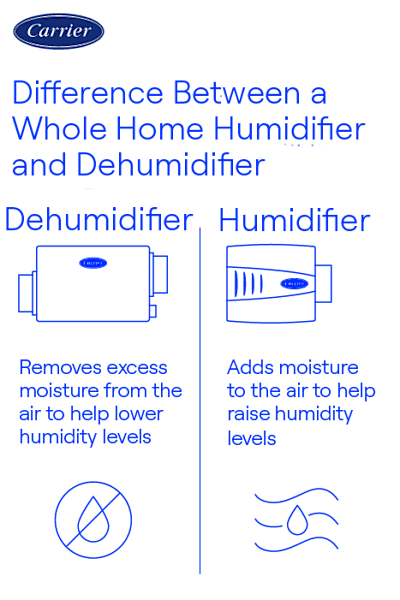
Credit: www.carrier.com
Common Signs Of Dry Air At Home
Dry air at home can sneak up on you without obvious warning. It affects your comfort, health, and even your belongings. Recognizing the signs early helps you take quick action before the dryness causes more problems.
Dry, Itchy Skin And Chapped Lips
One of the first signs you’ll notice is dry, flaky skin. Your hands and face might feel tight or rough, especially after washing. Chapped lips that won’t heal despite using balm also point to low moisture in the air.
Static Electricity Shocks
Have you ever felt little shocks when touching door handles or other metal objects? Static electricity builds up more easily in dry environments. If you find yourself frequently zapping yourself, your home’s air is likely too dry.
Cracked Wooden Furniture And Flooring
Wood is sensitive to moisture levels. When air is too dry, wooden furniture and floors can crack or warp. You might notice small gaps between floorboards or fine cracks in cabinets that weren’t there before.
Nosebleeds And Throat Irritation
Dry air can irritate your nasal passages and throat. If you or your family members suffer from frequent nosebleeds or a scratchy throat, the air might be stripping away necessary moisture. This can also worsen allergies and asthma symptoms.
Increased Dust And Allergens
Dry air tends to make dust particles more airborne and visible. You might find yourself dusting more often or noticing allergy symptoms flare up. This happens because moisture helps dust settle, and without it, allergens keep circulating.
Use Bowls Of Water Strategically
Place bowls of water near heat sources or sunny windows to help moisture evaporate into the air. This simple trick increases humidity naturally without any devices. It’s an easy way to keep the room air fresh and comfortable.
Adding moisture to the air can transform your living space into a more comfortable environment, especially during dry seasons. One simple yet effective way to achieve this is by using bowls of water strategically placed around your home. This method is an effortless and natural way to increase humidity levels without the need for a humidifier. You might find it surprising how such a small change can make a significant difference in your comfort.
Choose The Right Bowls
Opt for wide, shallow bowls. These allow for a larger surface area, encouraging faster evaporation. Ceramic or glass bowls are ideal as they blend seamlessly with most home decor and are easy to clean.
Select Strategic Locations
Place bowls near heat sources like radiators or sunny windowsills. The heat will speed up the evaporation process. You could also try placing them in high-traffic areas like living rooms or bedrooms for maximum effect.
Enhance With Essential Oils
Add a few drops of your favorite essential oils to the water. This not only humidifies the air but also fills your home with a pleasant aroma. Consider oils like lavender or eucalyptus for relaxation and freshness.
Monitor And Refill Regularly
Keep an eye on the water levels and refill as needed. Evaporation rates will vary depending on the room’s temperature and humidity. Regularly changing the water ensures cleanliness and prevents stagnation.
Incorporate Plants For Added Benefits
Pair your bowls with houseplants to boost humidity. Plants naturally release moisture through a process called transpiration. This combination enhances air quality and adds a touch of greenery to your home. Using bowls of water is a simple, cost-effective way to improve the air quality in your home. Have you tried this method before? Share your experiences and tips in the comments below!
Houseplants That Boost Humidity
Adding moisture to the air doesn’t always require a humidifier. Houseplants naturally release water vapor through a process called transpiration, making them excellent allies for boosting indoor humidity. Not only do they improve air quality, but they also create a refreshing and healthier environment for you and your family.
Peace Lily
The Peace Lily is a popular houseplant known for its ability to increase humidity. It releases moisture through its large leaves, which helps balance dry indoor air. Plus, its elegant white flowers add a touch of beauty to your space while keeping the air moist.
Boston Fern
Boston Ferns are fantastic for boosting humidity because they transpire large amounts of water. They thrive in indirect light and prefer consistently moist soil, which means they’re actively releasing moisture into your room. Have you noticed how lush and vibrant your air feels around ferns?
Areca Palm
Areca Palms act like natural humidifiers. Their feathery fronds release moisture steadily, making the air feel fresher and less dry. This plant also adds a tropical vibe to any room, helping your indoor space feel like a mini oasis.
Spider Plant
Spider Plants not only clean the air but also increase humidity through their leaves. They’re low-maintenance and thrive in various light conditions, making them perfect for busy people. Imagine improving your air quality without extra effort—doesn’t that sound great?
How To Maximize Humidity With Houseplants
- Group several plants together to create a mini humid microclimate.
- Keep the soil moist but not soggy to encourage continuous transpiration.
- Mist the leaves occasionally to boost moisture release.
- Place plants in warmer rooms where air tends to be drier.
Have you tried using plants to add moisture before? Paying attention to the types of plants you choose can make a noticeable difference in your home’s humidity levels. Why not give it a try and see how your space transforms?
Dry Clothes Indoors For Moisture
Drying clothes indoors is a simple way to add moisture to your home’s air without needing a humidifier. When your wet laundry evaporates, it releases water vapor into the room, naturally increasing humidity. This method can be especially helpful during dry winter months or in spaces where the air feels too dry.
Choose The Right Spot For Drying Clothes
Pick a well-ventilated area that gets enough air circulation. Avoid cramped corners where moisture can build up and cause mold. A living room or bathroom with an open window works well.
Use A Drying Rack Or Clothesline
A drying rack or indoor clothesline allows clothes to spread out and dry faster. This setup maximizes surface area, helping moisture evaporate more efficiently. Plus, it keeps your clothes organized and off the floor.
Monitor Room Temperature And Airflow
Warmer air holds more moisture, so drying clothes in a heated room speeds up evaporation. Keep a fan or open window nearby to help move air around and prevent dampness from settling. You’ll notice the air feels fresher and more humid.
Consider The Type Of Fabric
Heavy fabrics like towels and jeans release more moisture but take longer to dry. Lighter fabrics dry faster but add less humidity. Mixing different types of laundry can balance drying time and moisture output.
Be Mindful Of Potential Downsides
- Drying clothes indoors can increase dampness, which might encourage mold growth if ventilation is poor.
- Watch for condensation on windows or walls and adjust airflow to avoid damage.
- If you’re sensitive to allergens, consider the impact of indoor drying on dust and mildew.
Have you ever noticed a difference in the air after drying clothes inside? It’s a small habit that can make your space feel more comfortable, especially when the air is dry. Try it out and observe how your indoor environment changes.
Cook More On The Stove
Cooking more on the stove is a simple way to add moisture to the air. The steam released while cooking increases humidity naturally. This method works well during dry seasons or in heated homes.
Boiling, simmering, and steaming foods all produce steam. The heat causes water to evaporate into the air, making the room feel more comfortable. It also adds a fresh, homey scent to your space.
Boil Water For Steam
Fill a pot with water and bring it to a boil. Let the steam fill your kitchen and nearby rooms. You can add herbs, lemon slices, or cinnamon sticks for a pleasant aroma.
Cook Soups And Stews
Simmer soups or stews on the stove. These dishes release a steady amount of steam. They warm your home and help raise indoor humidity levels.
Steam Vegetables
Steaming vegetables adds moisture to the air quickly. Use a pot with a lid and a steaming basket. This method is healthy and helps increase humidity naturally.
Use A Cast Iron Skillet
Cooking on a cast iron skillet retains heat longer. This encourages slow evaporation of moisture from your food. It raises humidity while cooking your favorite meals.
Create Diy Steam Sessions
Boiling water on the stove creates steam that adds moisture to dry air quickly. Placing a bowl of hot water near a fan also helps spread humidity around the room. These simple steam sessions can improve air quality without needing a humidifier.
Creating DIY steam sessions can boost moisture levels in your home. These sessions are simple, cost-effective, and require minimal materials. They’re perfect for dry seasons or spaces without humidifiers. Learn how to create steam sessions using common household items.
Boil Water On The Stove
Boiling water releases steam into the air. Fill a pot with water and place it on the stove. Let it simmer on low heat. This process adds humidity to the room efficiently.
Use A Hot Shower
A hot shower can generate a lot of steam. Leave the bathroom door open. Allow the steam to spread throughout your living space. This method works best in small apartments.
Cook On The Stove
Cooking can also increase moisture levels. Prepare meals that require boiling or steaming. This method not only adds humidity but also fills your home with delicious aromas.
Place Bowls Of Hot Water
Fill bowls with hot water and place them around the room. As the water cools, it releases moisture into the air. Refresh the water when it turns cold.
Use A Clothes Steamer
A clothes steamer is another effective tool. Operate it in the open room for a few minutes. It releases steam quickly, increasing air moisture levels.
Heat A Damp Towel
Dampen a towel and heat it in a microwave. Hang it up to dry. As it dries, moisture is released into the air, enhancing humidity. Using these DIY methods can improve air quality and comfort in your home.
Credit: all-temphvac.com
Use Sponges Or Towels With Water
Using sponges or towels with water is a simple way to add moisture to dry air. This method does not need any special tools or machines. It helps increase humidity naturally and quietly.
Wet sponges or towels release water vapor as they dry. This moisture spreads into the air around your room. It can help relieve dry skin, irritated eyes, and stuffy noses.
Choose The Right Sponge Or Towel
Pick thick, absorbent sponges or towels for best results. Cotton works well because it holds a lot of water. Avoid synthetic materials that dry too fast or don’t absorb enough water.
Soak And Place Strategically
- Soak the sponge or towel in clean water until fully wet.
- Wring out excess water to avoid dripping.
- Place it near a heat source like a radiator or sunny window.
- The warmth helps water evaporate faster into the air.
Refresh Regularly To Maintain Humidity
Check the sponge or towel every few hours. Re-soak it to keep moisture levels steady. Dry sponges or towels won’t release enough water vapor.
Use Multiple Pieces For Larger Rooms
Spread several wet sponges or towels around bigger spaces. This spreads moisture evenly and improves comfort. Use containers or trays to catch drips and protect surfaces.
Place Water Near Heat Sources
Placing water near heat sources is a simple way to add moisture to dry indoor air. Heat causes water to evaporate faster, increasing humidity levels naturally. This method helps keep the air comfortable without using an electric humidifier.
It works well in colder months when heaters run often. The warmth makes the water evaporate and spread moisture into the room. This process can reduce dry skin, irritation, and static electricity.
Best Containers To Use
Choose containers that hold water safely near heat. Glass bowls, ceramic pots, or metal pans work well. Avoid plastic containers that may melt or release chemicals when heated.
Safe Placement Tips
- Keep containers on stable surfaces to prevent spills.
- Place water away from direct flames or electrical parts.
- Check water levels daily and refill as needed.
- Use shallow containers to increase evaporation speed.
Types Of Heat Sources
Common heat sources include radiators, wood stoves, and space heaters. Each provides steady warmth that helps water evaporate. Avoid placing water on electric heaters with fans, as it may cause safety issues.
Benefits Of This Method
- Cost-effective and energy-saving way to add moisture.
- No need for special equipment or filters.
- Easy to set up and maintain daily.
- Improves air quality naturally.
Credit: www.familyhandyman.com
Maintain Proper Ventilation
Maintaining proper ventilation is key to balancing moisture levels in your home without relying on a humidifier. Good airflow helps prevent dryness by allowing fresh air to circulate and retain natural humidity. It’s about creating an environment where air moves freely, carrying moisture where it’s needed most.
Open Windows Regularly To Let Fresh Air In
Opening your windows for a few minutes each day can make a big difference. Even in cooler months, a brief burst of fresh air helps reduce stale, dry indoor air.
Think about your own experience: after opening a window, does the room feel fresher or more breathable? That’s your indoor humidity getting a natural boost.
Use Exhaust Fans Wisely
Exhaust fans in kitchens and bathrooms remove excess moisture but can also dry out the air if overused.
Turn these fans off once the excess moisture has cleared to avoid stripping your room of natural humidity. Are you running them longer than necessary?
Create Cross-ventilation
Cross-ventilation happens when air flows through your home from one side to the other. This method helps balance moisture and keeps the air fresh.
Try opening windows or doors on opposite sides of a room or hallway. Have you noticed how a gentle breeze can make a stuffy room feel instantly better?
Balance Ventilation With Indoor Plants
Plants release moisture through a process called transpiration, which adds humidity to the air naturally.
Placing plants near windows or vents can enhance the effect of ventilation. Which plants do you enjoy that might also improve your room’s air quality?
Frequently Asked Questions
How Can I Naturally Add Moisture To Dry Air?
Place water bowls near heat sources or windows. Houseplants also release moisture through transpiration, improving indoor humidity naturally.
What Household Items Increase Humidity Without A Humidifier?
Use wet towels, indoor fountains, or simmer water with spices. These methods add moisture and create a cozy atmosphere.
Can Cooking Help Add Moisture To Indoor Air?
Yes, boiling water or cooking soups and stews release steam, increasing indoor humidity effectively and safely.
Is Drying Clothes Indoors Effective For Adding Moisture?
Yes, hanging wet clothes indoors releases moisture as they dry, raising humidity levels without extra devices.
Conclusion
Adding moisture to the air can make your home feel more comfortable. Simple steps like placing bowls of water or drying clothes indoors help. Houseplants also release moisture naturally. Boiling water on the stove adds steam quickly. These methods keep the air fresh without needing a humidifier.
Try one or combine several to see what works best for you. Enjoy a cozier, healthier living space with easy, natural moisture.


