Have you ever woken up with a dry throat or noticed your skin feeling rough and itchy? These could be signs that the air around you is too dry.
But how do you know if you really need a humidifier? Finding the right balance of moisture in your home can make a big difference in your comfort and health. You’ll discover simple ways to tell if a humidifier is what your space—and your body—need.
Keep reading to learn how to breathe easier and feel better every day.
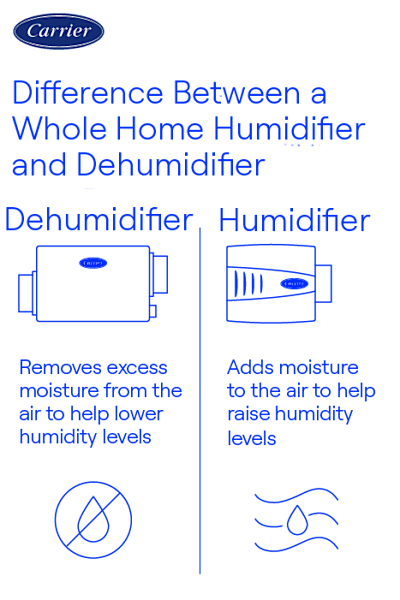
Credit: www.carrier.com
Dry Air Effects
Dry air can cause many problems inside your home. It affects your skin, breathing, and even your belongings. Knowing these effects helps you decide if you need a humidifier. Low humidity leads to discomfort and damage. Watch for signs around you and your family.
Skin Irritation
Dry air removes moisture from your skin. It can cause itchiness, redness, and flaking. Cracked skin may appear, especially on hands and lips. This makes your skin feel tight and uncomfortable. Using a humidifier adds moisture to the air. This helps keep your skin soft and healthy.
Respiratory Problems
Breathing in dry air can irritate your throat and nose. It may cause coughing or a dry, scratchy throat. People with asthma or allergies can feel worse. Dry air also makes mucus thick, blocking airways. A humidifier helps keep your nose and throat moist. It can reduce breathing discomfort and improve sleep.
Static Electricity
Dry air increases static electricity in your home. You may notice shocks when touching metal or other people. Clothes may stick together or create sparks. This happens more in winter months with low humidity. A humidifier reduces static by adding moisture to the air. It makes your home feel more comfortable and safer.
Damage To Furniture And Plants
Dry air harms wooden furniture by causing cracks and splits. Paint and wallpaper may peel or bubble. Houseplants lose moisture, making leaves dry and brittle. Some plants may even die from lack of humidity. A humidifier protects your furniture and plants by keeping air moist. It helps maintain a healthy indoor environment.
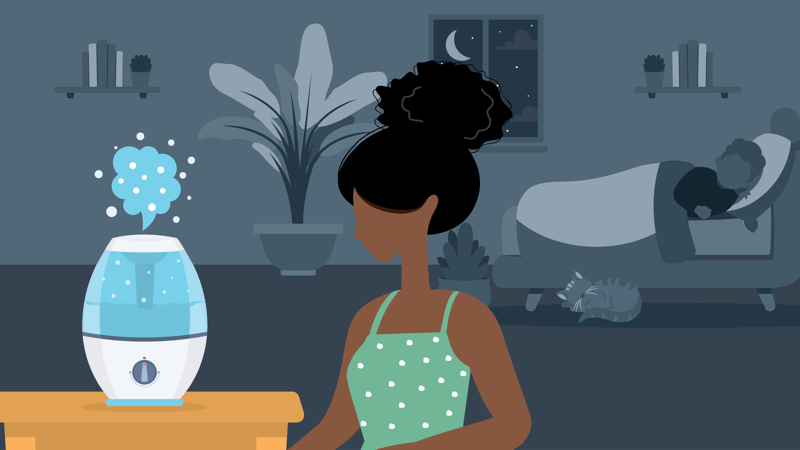
Credit: health.clevelandclinic.org
Indoor Environment Clues
Noticing clues in your indoor environment can reveal whether your home needs a humidifier. These signs often go unnoticed but can significantly impact your comfort and health. Paying attention to these details helps you take timely action.
Visible Dust And Allergens
If you find dust settling quickly on surfaces or notice frequent sneezing, dry air might be the culprit. Low humidity allows dust and allergens to stay airborne longer, making your space feel dirtier and triggering allergies.
Have you observed more dust bunnies under furniture or on shelves lately? Adding moisture to the air can help these particles settle faster, improving air quality and reducing allergy symptoms.
Cracked Wood And Paint
Wood furniture, flooring, or window frames cracking or warping often signals dry indoor air. Paint peeling or chipping more than usual can also be a red flag.
These damages happen because dry air causes materials to lose moisture and shrink. If you notice these signs, a humidifier can protect your home’s interior from further harm.
Low Humidity Levels
Measuring humidity with a simple hygrometer can confirm what you might already suspect. Ideally, indoor humidity should stay between 30% and 50% for comfort and health.
When levels drop below 30%, you might experience dry skin, irritated eyes, or a scratchy throat. Have you checked your humidity levels recently? If not, it’s an easy step that can guide you toward better indoor air.
Health Symptoms To Watch
Have you been feeling a bit off lately and wondering if the air in your home could be the culprit? You might be surprised to learn how low humidity levels can impact your health. Here are some health symptoms to watch that might indicate you need a humidifier.
Frequent Nosebleeds
Dry air can wreak havoc on your nasal passages, leading to frequent nosebleeds. If you find yourself reaching for tissues more often, it might be time to consider adding moisture to the air. A humidifier can help keep your nasal membranes hydrated, reducing the likelihood of nosebleeds.
Sore Throat And Cough
Is your morning routine starting with a scratchy throat or persistent cough? Dry indoor air can irritate your throat, making it uncomfortable to speak or swallow. A humidifier can add the needed moisture to soothe your throat, helping you start your day off right.
Dry Eyes
Do your eyes feel gritty or irritated, especially when you wake up or work on the computer? Dry eyes can be a sign that your home environment lacks adequate humidity. Maintaining optimal humidity levels can prevent your eyes from feeling like sandpaper.
Worsening Allergies Or Asthma
Have you noticed your allergies or asthma symptoms getting worse? Dry air can exacerbate these conditions, making it harder to breathe comfortably. A humidifier can help alleviate these symptoms by maintaining the right humidity level, making your home a more pleasant place to live.
Take a moment to assess your symptoms. Could a simple change in humidity be the solution? Addressing these signs early can make a significant difference in your daily comfort and health.
Benefits Of Using A Humidifier
Using a humidifier offers many benefits for health and home. It adds moisture to dry air, which can improve how you feel daily. Dry air can cause discomfort, but a humidifier helps balance humidity levels. This simple device supports better breathing and skin health.
Improved Comfort
Dry air often causes dry skin and irritated eyes. A humidifier adds moisture, reducing these problems. It helps ease coughs and nasal congestion. Breathing feels easier with balanced air moisture. This can make your whole room feel more comfortable.
Better Sleep Quality
Dry air can lead to throat irritation and snoring. Using a humidifier helps keep your throat moist. This reduces irritation and improves breathing at night. Many people find they sleep more soundly with added humidity. Waking up refreshed becomes easier.
Protection For Home Interiors
Dry air can damage wooden furniture and floors. It causes cracks and warping over time. A humidifier adds moisture, protecting your wood items. It also helps prevent static electricity in carpets and fabrics. Keeping your home safe from dry air damage saves money.
Choosing The Right Humidifier
Choosing the right humidifier is more than just picking a device off the shelf. It means matching the humidifier to your space, lifestyle, and specific needs. Making the right choice can improve air quality and comfort without causing extra hassle.
Types Of Humidifiers
Humidifiers come in several types, each with its own advantages and drawbacks. Ultrasonic models use vibrations to produce a fine mist quietly, ideal for bedrooms or offices. Evaporative humidifiers rely on a fan and wick filter to add moisture, often easier to maintain but noisier.
Warm mist humidifiers boil water to release steam, which can help reduce germs but use more energy. If you have allergies or asthma, consider air quality benefits when choosing between cool or warm mist. Have you noticed how some humidifiers affect your comfort differently?
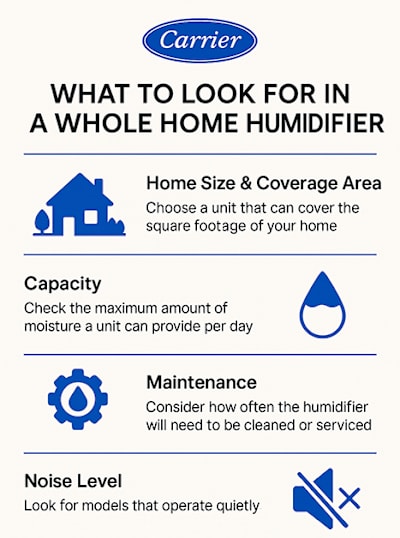
Room Size Considerations
Knowing your room size is crucial. Small rooms under 300 square feet do well with compact, portable humidifiers. For larger rooms or open-plan spaces, look for models with higher output capacity.
Some humidifiers specify their coverage area, helping you avoid buying one that’s too weak or unnecessarily powerful. Think about where you spend most of your time and choose accordingly to balance effectiveness and energy use.
Maintenance Tips
Regular maintenance keeps your humidifier running efficiently and prevents bacteria or mold growth. Clean your device every few days, especially the water tank and any removable parts.
Use distilled water if possible to reduce mineral buildup. Replace filters as recommended by the manufacturer. Have you ever stopped using a humidifier because it was too much trouble to clean? Choosing a model with simple maintenance can make a big difference in your experience.
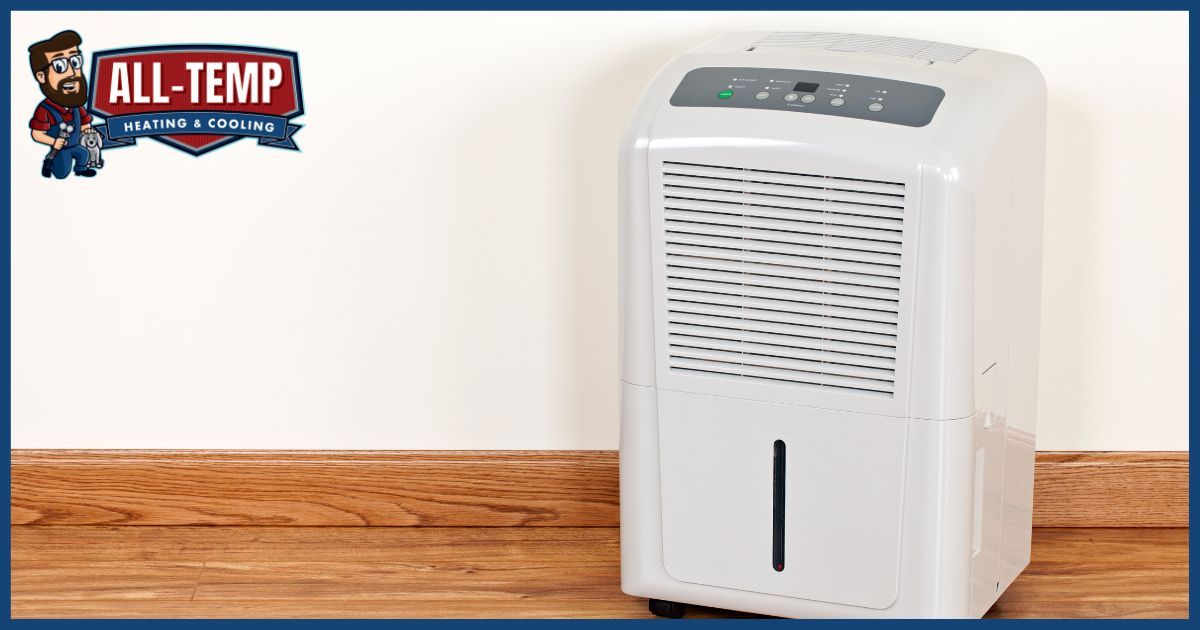
Credit: all-temphvac.com
Frequently Asked Questions
What Are Common Signs You Need A Humidifier?
Dry skin, irritated sinuses, cracked lips, and static electricity are signs you may need a humidifier. These symptoms often occur in low humidity environments. A humidifier helps add moisture to the air, relieving discomfort and improving indoor air quality.
How Does A Humidifier Improve Health?
Humidifiers help reduce dry air that causes respiratory issues and skin irritation. They can soothe allergies, asthma, and cold symptoms. Proper humidity levels also prevent nosebleeds and dry throat, promoting better breathing and overall health.
When Is The Best Time To Use A Humidifier?
Use a humidifier during dry seasons or winter months when indoor air tends to be dry. It’s also helpful in homes with heating systems that reduce humidity. Running it at night can improve sleep quality by easing breathing and reducing dryness.
Can A Humidifier Prevent Colds And Flu?
While a humidifier doesn’t cure illnesses, it can reduce cold and flu symptoms. Moist air helps keep nasal passages moist, making it harder for viruses to thrive. It also soothes coughs and congestion, aiding quicker recovery.
Conclusion
Dry skin, cough, or cracked lips? These signs suggest a humidifier might help. It keeps air moist and comfortable. It also helps protect your home and health. Choose one that fits your space and needs. Regular use can improve your daily comfort.
Pay attention to how your body and home feel. A humidifier can make a big difference in dry conditions. Simple steps like this improve your living space. Consider adding a humidifier for better air quality today.


