Are you planning a kitchen remodel or designing a new one? If so, you’re probably considering a kitchen island.
But how high should it be? The height of a kitchen island can make or break your cooking and dining experience. Get it right, and you’ll have a functional, comfortable space that enhances your daily routine. Get it wrong, and you could face awkward meal preps and uncomfortable seating.
You’ll discover the ideal height for your kitchen island, tailored to your needs. Don’t miss out on creating the perfect kitchen space that you’ve always dreamed of. Stick around and find out what makes the perfect kitchen island height for you!
Optimal Kitchen Island Height
Finding the optimal height for a kitchen island can enhance its functionality. A well-designed island offers comfort during food prep and dining. It serves as a focal point in the kitchen, merging style with purpose. Let’s explore the key factors influencing the ideal kitchen island height.
Standard Kitchen Island Height
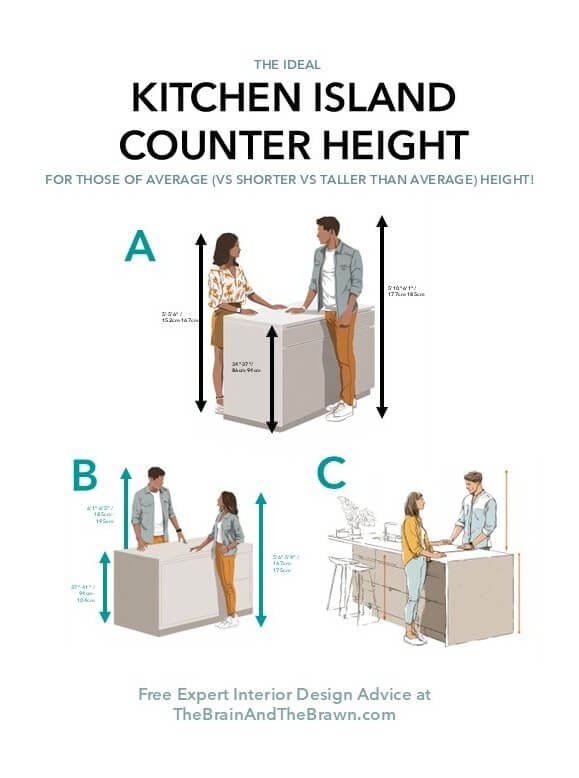
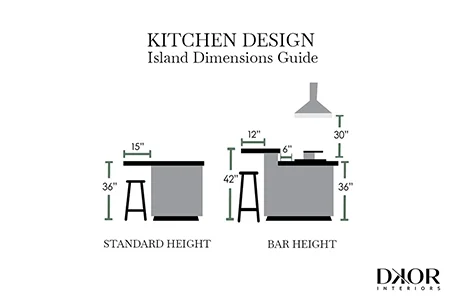
The standard kitchen island height typically ranges from 36 to 42 inches. This range accommodates various tasks like chopping, mixing, and dining. A 36-inch height is perfect for food preparation. Meanwhile, a 42-inch height suits bar-style seating.
Consider User Height
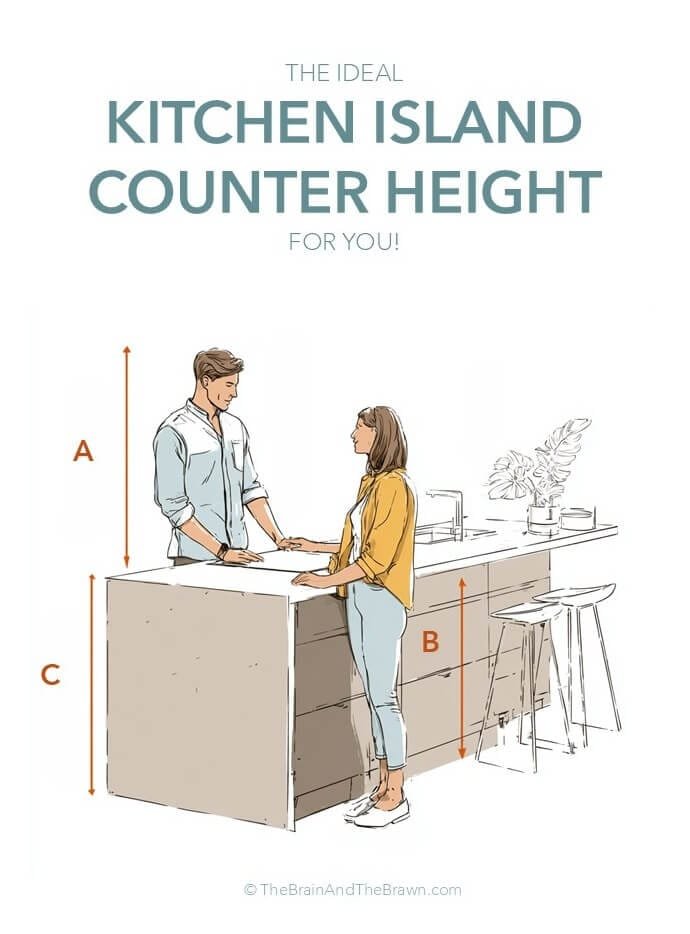
Adjust the island height based on the primary user’s height. Taller individuals may prefer slightly higher countertops. Shorter users might find lower surfaces more comfortable. Customizing the height improves accessibility and ease of use.
Seating Arrangements
Consider seating when determining the island’s height. For bar stools, a 42-inch height works best. Standard chairs pair well with a 36-inch height. Measure your seating options before finalizing the height.
Purpose Of The Island
The island’s purpose influences its ideal height. For cooking, a lower height can improve ergonomic comfort. For entertaining, a higher island with bar seating might be desirable. Define the island’s main use to choose the best height.
Kitchen Layout And Space
Evaluate the kitchen’s overall layout and available space. Ensure the island height complements surrounding counters and appliances. Consider clearance for opening cabinets and appliances. A cohesive design enhances the kitchen’s flow.
Credit: thebrainandthebrawn.com
Standard Measurements
The height of a kitchen island plays a crucial role in functionality. It must be comfortable for tasks like food prep and dining. Understanding standard measurements helps in planning and designing your kitchen space.
Standard Counter Height
The standard counter height for a kitchen island is 36 inches. This is the same height as most kitchen counters. It provides a comfortable working surface for most tasks.
Standard Bar Height
For those who prefer a higher seating area, the bar height is 42 inches. This allows for bar stools and a more casual dining experience. It is ideal for entertaining guests.
Adjustable Heights
Some kitchen islands feature adjustable heights. These can accommodate varying needs in a single space. It’s a versatile option for multi-use kitchens.
Considerations For Height
Consider who will use the kitchen island. Taller individuals might prefer a slightly higher island. Shorter family members might need a lower height.
Seating Space
A comfortable seating space is important. Allow at least 24 inches of width per person. This ensures enough elbow room and comfort.
Factors Influencing Height Choice
Determining the height of a kitchen island involves considering various factors. User comfort and functionality play key roles. Standard heights range from 36 to 42 inches, tailored to tasks like cooking or dining.
Factors influencing the height choice of a kitchen island are crucial. The right height ensures comfort and functionality. It also impacts the overall kitchen design. Several key factors should guide your decision.
User Comfort And Ergonomics
User comfort is a primary concern. The kitchen island should match the user’s height. A comfortable working posture reduces strain. Ergonomic design promotes better workflow. Consider the height of stools or chairs too.
Cooking And Prep Needs
Cooking and prep needs dictate height. A cook often needs more space. Islands used for baking might need lower heights. This allows easy dough handling. Consider the tasks performed most frequently.
Integration With Appliances
Integration with appliances is another factor. Some islands include built-in appliances. Their heights must match the island. This ensures seamless operation. Plan for sinks, dishwashers, or stovetops. The island height should accommodate these features smoothly.
Design Styles And Trends
Kitchen islands have become a central piece in many homes. Their height is crucial for both functionality and style. Design styles and trends greatly influence the height choice. Let’s explore popular designs and styles to help you find the perfect fit for your home.
Modern Designs
Modern kitchen islands often feature sleek lines and minimalist aesthetics. These designs prioritize function and form. Typically, modern islands have a height of 36 inches. This height complements counter stools and promotes easy social interactions. Materials like stainless steel and quartz enhance the modern look. Adjustable heights are gaining popularity, offering flexibility and comfort.
Traditional Styles
Traditional kitchen islands focus on elegance and timeless appeal. They often feature intricate woodwork and classic finishes. The height usually matches standard countertops, around 36 inches. This uniformity maintains a cohesive look in the kitchen. But some traditional designs opt for taller islands, up to 42 inches. This added height accommodates bar stools and creates a casual dining area.
Adjustable And Custom Options
Kitchen islands often have adjustable heights, typically ranging from 36 to 42 inches. Custom options let homeowners select the perfect height for their needs.
Adjustable and custom options for kitchen islands provide flexibility. They cater to individual preferences and needs. Whether you require a specific height or unique design, these options ensure your kitchen island fits perfectly. They offer solutions that enhance functionality and style.
Height-adjustable Models
Height-adjustable models are versatile. They let you change the island’s height easily. This feature is ideal for families with varied height requirements. It accommodates different cooking and seating styles. These models often come with hydraulic or manual adjustment systems. You can switch between dining and prep heights effortlessly.
Custom-built Solutions
Custom-built solutions offer complete personalization. You can design an island that meets your specific needs. Choose materials, dimensions, and features that suit your space. Custom options are perfect for unique kitchen layouts. They ensure your island complements your kitchen’s aesthetics. Skilled craftsmen can create one-of-a-kind designs.
Credit: dkorinteriors.com
Impact On Kitchen Functionality
Determining the height of a kitchen island affects its functionality. A well-chosen height enhances cooking and dining experiences. Proper height also ensures comfort and efficiency in daily kitchen activities.
The height of a kitchen island can greatly affect kitchen functionality. A well-chosen height enhances efficiency and comfort. It also impacts space utilization and workflow.
Space Utilization
A kitchen island should fit your space well. It should not overcrowd or underuse the area. The standard height is around 36 inches. This height suits most kitchen tasks. It allows room for storage beneath. Cabinets or shelves can fit nicely. This maximizes the use of vertical space. Consider seating as well. If you add stools, the island should be taller. A height of 42 inches is ideal for bar stools. This creates a cozy dining spot. Ensure there’s enough room to move around the island. A clearance of 36 to 48 inches is recommended. This keeps the kitchen open and accessible.
Workflow Efficiency
The island should enhance kitchen workflow. It should be at a comfortable height for cooking and prep work. The right height reduces strain on the back and arms. It makes chopping and mixing easier. A kitchen island can also serve as a divider. It separates the cooking area from dining or living spaces. This can streamline activities. You can cook while others dine or relax. Having the right island height supports multitasking. You can switch between tasks smoothly. It also encourages family or guests to gather around. This fosters social interaction while cooking. In summary, the height of a kitchen island is crucial. It affects both space utilization and workflow efficiency. Careful consideration ensures a functional and pleasant kitchen environment.
Expert Tips For Choosing The Right Height
Choosing the right height for your kitchen island can significantly enhance both the functionality and aesthetics of your cooking space. It’s not just about fitting the island into the room; it’s about ensuring it complements your lifestyle and cooking habits. Whether you’re an enthusiastic home chef or someone who enjoys casual meals around the island, finding the right height is essential. Let’s dive into some expert tips that can guide you in making this crucial decision.
Consulting With Professionals
Bringing in a professional can be a game-changer. Architects and kitchen designers have a wealth of experience and can offer tailored advice based on your kitchen’s unique layout. They consider factors like the height of your existing countertops, the distance between the island and other kitchen elements, and even your family’s average height.
Professionals can provide insights that you might overlook. For instance, they can suggest adjustable height islands that cater to both cooking and dining needs. Have you ever thought about how a slight height variation can impact your cooking posture or comfort while seated?
Diy Measurement Tips
If you’re a hands-on person, measuring your kitchen space can be a rewarding task. Start by measuring the height of your current countertops to maintain consistency. Consider the kitchen island’s purpose—will it be used for food prep, dining, or both?
- Use a tape measure to gauge the height that feels comfortable for you.
- Stand where your island will be and mimic cooking or dining activities to see what height feels right.
Remember, an island that’s too high or too low can be a nuisance. Have you ever had to stretch awkwardly to chop veggies or felt cramped while seated?
Ultimately, the right island height is one that suits your kitchen's style and meets your practical needs. Whether you choose professional guidance or take the DIY route, make sure your choice enhances your kitchen experience. What height will make your kitchen island a true centerpiece in your culinary space?
Common Mistakes To Avoid
Designing a kitchen island is more than just picking a style and color. Mistakes often arise when homeowners overlook crucial aspects such as user needs and space constraints. These missteps can lead to a kitchen island that disrupts flow and functionality. Avoiding these common errors can ensure your island becomes a practical and enjoyable addition to your kitchen.
Ignoring User Needs
The height of your kitchen island should cater to the people using it. Consider who in your household will use the island frequently. If you love cooking, ensure the height is comfortable for meal prep. Families with young children might prefer a lower island that kids can access easily. A friend of mine installed an island based on aesthetics alone, only to find it was too tall for everyone in her home. It’s crucial to tailor the island height to suit everyone’s needs.
Overlooking Space Constraints
Space plays a significant role in determining the ideal height of your kitchen island. A cramped kitchen might not accommodate a tall island comfortably. Measure your kitchen layout carefully, considering the clearance around the island. I once saw a kitchen where the island height blocked the view from the living room, creating an unwelcome barrier. Make sure your island doesn’t disrupt the openness or flow of your space.
How can you ensure your kitchen island doesn’t become a hindrance? Focus on how it fits into your daily life and the physical space it occupies. By addressing user needs and space constraints, your kitchen island can enhance both the beauty and functionality of your home.
Future Trends In Kitchen Island Design
Kitchen islands are evolving, blending style and function. The ideal height is around 36 inches, accommodating casual seating and food prep. Adjustable designs are gaining popularity, offering flexibility for different tasks and user comfort.
As kitchen islands become a focal point in modern homes, their design is continually evolving. New trends are emerging that not only enhance functionality but also make a bold style statement. From multi-functional designs to sustainable materials, the future of kitchen islands is both exciting and practical.
Multi-functional Features
Modern kitchen islands are no longer just about additional counter space. They are becoming versatile hubs for cooking, dining, and even working. Imagine having a built-in wine cooler, charging stations for your devices, or a slide-out breakfast bar. This trend caters to the busy lifestyle, offering more convenience in one central location. Consider what features would best suit your daily routine.
Sustainable And Eco-friendly Materials
As sustainability continues to be a priority, many homeowners are opting for eco-friendly materials for their kitchen islands. Materials like reclaimed wood, bamboo, and recycled metals are gaining popularity. They not only reduce your carbon footprint but also add unique character to your space. Choosing sustainable options can make your kitchen island a conversation starter while doing your part for the environment.
Smart Technology Integration
The integration of smart technology into kitchen islands is another trend that’s on the rise. Think touch-screen controls, induction cooking surfaces, and smart appliances. These features can transform your island into a high-tech command center, streamlining your cooking experience. Do you see yourself controlling your kitchen with just a swipe or a voice command?
Bold Colors And Unique Designs
Gone are the days of subtle and bland kitchen islands. Today’s trends are all about making a statement with bold colors and unique designs. Whether it’s a vibrant blue island or one with intricate geometric patterns, the options are limitless. This is your chance to express your personality and make your kitchen truly yours. What color or design speaks to you? Future trends in kitchen island design are not just about aesthetics; they are about enhancing the way you live and interact with your space. Whether you are planning a kitchen renovation or just dreaming, keep these trends in mind to create a kitchen island that is both beautiful and functional.

Credit: www.angi.com
Frequently Asked Questions
Is 40 Inches Too High For A Kitchen Island?
A kitchen island height of 40 inches may be too high for standard counter seating. Typical height is 36 inches. Consider your comfort and seating needs when deciding. Custom heights might suit specific uses or taller individuals. Always align island height with your kitchen’s design and functionality for optimal usability.
What Is The 3×4 Kitchen Rule?
The 3×4 kitchen rule suggests a minimum kitchen size of 3 meters by 4 meters. This provides sufficient space for essential appliances and cabinets, ensuring functionality and comfort. The rule helps create an efficient layout, optimizing workflow and storage in the kitchen.
Should A Kitchen Island Be The Same Height As A Counter?
A kitchen island can match the counter height for a cohesive look. Alternatively, different heights create distinct areas for cooking and dining. Choose based on your kitchen’s function and design preference.
Is A 7 Foot Island Too Small?
A 7-foot island suits small to medium kitchens, offering ample space for prep and seating. Consider your kitchen’s layout and space requirements to ensure functionality and comfort.
Conclusion
Choosing the right height for your kitchen island is crucial. It ensures comfort and functionality. Standard heights are 36 inches for food prep and dining. Bar-height islands typically measure 42 inches. Consider your needs and space. Measure carefully before installation.
Think about seating options and counter stools. Remember, a well-designed kitchen island enhances your cooking area. It adds style and practicality. Always prioritize personal comfort. Consult a professional for custom designs. Creating the perfect kitchen island height brings joy to your culinary adventures.
Your kitchen should feel welcoming and efficient for everyday use.


