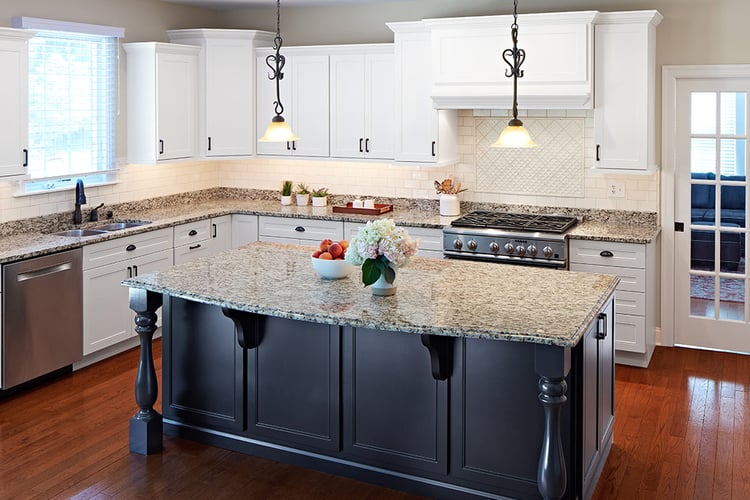
Are you dreaming of the perfect kitchen island but unsure about its size? You’re not alone.
Many homeowners grapple with this decision, seeking the ideal balance between style and functionality. The size of your kitchen island can dramatically influence not just the aesthetics of your kitchen but also its practicality. Imagine cooking with ease, entertaining guests effortlessly, and having just the right amount of space for everything you need.
This isn’t just about measurements; it’s about transforming your kitchen into a space that works for you. Dive in to discover how to find the perfect island size that enhances your kitchen’s beauty and boosts its usability. With a few smart insights, you can make a choice that elevates your culinary experience and adds value to your home. Ready to uncover the secrets to the perfect kitchen island? Let’s get started.
Ideal Size For Kitchen Islands
The kitchen island serves as the centerpiece of many modern kitchens. It combines functionality with aesthetic appeal, offering a space for cooking, dining, and socializing. Choosing the ideal size for a kitchen island is crucial for maximizing its benefits.
Standard Dimensions
A typical kitchen island measures around 24 to 48 inches wide. The length can range from 4 to 8 feet. Most islands stand at a height of 36 inches, which matches standard counter height. This size provides ample space for cooking and seating.
Factors Influencing Size
Several factors determine the size of a kitchen island. The overall kitchen size plays a significant role. A smaller kitchen requires a compact island. Large kitchens offer more flexibility for bigger islands.
Consider the island’s function. If it includes a stove or sink, it might need to be larger. Seating needs affect size too. More seating means more space. Traffic flow is another factor. Ensure enough room for movement around the island.
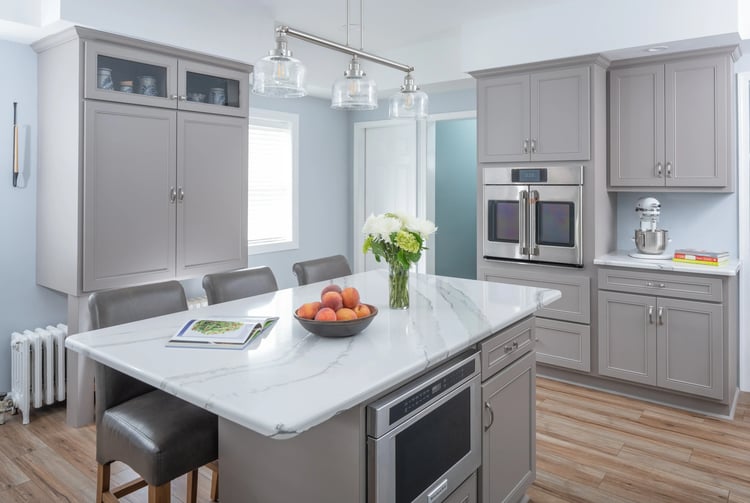
Credit: blog.kitchenmagic.com
Space Considerations
Considering the size of a kitchen island involves more than measurements. Space is key. A well-sized island complements your kitchen’s functionality. It should enhance, not hinder, your space.
Room Layout
Assess the kitchen’s current layout first. Does the kitchen have an open or closed design? In open kitchens, an island can define areas. It also provides extra counter space. Closed kitchens might need a smaller island. Ensure the island fits comfortably without overpowering the room.
Traffic Flow
Think about how people move around your kitchen. Is there enough room to walk around the island? Keep at least three feet of space on all sides. This allows smooth movement and accessibility. Don’t let the island become a barrier.
Functionality And Purpose
The size of a kitchen island is not just about aesthetics; it’s about how well it serves your needs. An island can transform the way you use your kitchen, making it more functional and efficient. Let’s dive into its varied purposes, keeping in mind how size can impact functionality.
Cooking And Prep Area
Consider your cooking habits. If you love preparing elaborate meals, a larger island with ample counter space can be a game-changer. It provides room for chopping, mixing, and arranging ingredients without feeling cramped.
Adding a cooktop or sink to your island can make it a central hub of activity. Imagine effortlessly moving from prep to cooking, all in one area. But remember, more appliances mean more space is needed.
Think about your workflow. Does your current kitchen setup allow you to move smoothly from one task to another? A well-sized island can streamline this process, minimizing unnecessary steps.
Dining And Seating Options
Do you often entertain guests in your kitchen? An island can double as a dining table, perfect for casual meals or social gatherings. A larger island can accommodate more seating, making it a versatile space for family and friends.
Consider the height of your island. A raised bar area with stools can create a casual dining experience, while a lower height can be more comfortable for seated meals. The right size ensures everyone has enough legroom and elbow space.
What kind of atmosphere do you want to create? An island designed for seating invites conversation and connection, making your kitchen a welcoming space for everyone.
Storage Solutions
Is your kitchen cluttered? An island can offer much-needed storage, with cabinets and drawers to keep your space organized. The size of your island determines how much storage you can incorporate.
Consider what you need to store. Pots, pans, and kitchen gadgets can be neatly tucked away in a well-designed island. Larger islands can even accommodate appliances like microwaves or wine coolers.
Do you find yourself searching for utensils or ingredients? A functional island with ample storage keeps everything within reach, making cooking more enjoyable and efficient.

Credit: kitchenmakeovers.co.uk
Design And Style
Creating the perfect kitchen island involves balancing size and functionality. An ideal island should allow easy movement and ample workspace. Consider the kitchen’s layout to ensure the island complements the overall design without overcrowding the space.
Designing a kitchen island is more than just about the size—it’s about how it fits into the overall style and functionality of your kitchen. A well-designed island can become the centerpiece of your kitchen, offering a blend of aesthetics and practicality. Whether you’re a fan of sleek modern designs or prefer a rustic farmhouse look, the design and style of your island can make a significant impact on your kitchen’s overall appeal.
Aesthetic Appeal
The aesthetic appeal of your kitchen island plays a crucial role in setting the tone for the entire space. Consider how the island’s design complements the rest of your kitchen. Does it match your cabinets, or does it stand out as a bold statement piece? A contrasting color can create a striking focal point, while a matching color offers a harmonious blend. Think about the shape of your island. A rectangular island might suit a traditional kitchen, while a circular or L-shaped island can add a modern twist. Your choice in design should reflect your personal style and how you intend to use the space.
Material Choices
The materials you choose for your kitchen island can greatly affect its style and durability. Granite and marble offer a luxurious feel and are ideal for a classic look. For a more contemporary vibe, consider materials like stainless steel or concrete, which can add an industrial edge. Wood offers warmth and versatility, fitting well with both traditional and modern styles. When selecting materials, think about maintenance and longevity. Would you prefer something easy to clean or a material that develops character over time? Your choice will influence not only the look but also the practicality of your kitchen island.
Expert Recommendations
Designing a kitchen island can be tricky. The size of the island plays a crucial role in its functionality and aesthetics. Experts offer guidance to help homeowners make informed decisions. Their insights are based on practical experience and design principles.
Professional Insights
Experts recommend considering the kitchen’s size first. A small kitchen may need a smaller island. It should not hinder movement or access. The ideal width is between 36 to 48 inches. This range allows for comfortable meal preparation and seating. Ensure at least 42 inches of clearance on all sides. This space allows free movement around the island. It also ensures safety and ease during cooking.
The island’s height is another key factor. Standard counter height is 36 inches. For bar-style seating, consider a height of 42 inches. This height provides comfort for bar stools. If the island serves multiple purposes, consider tiered levels. This design accommodates different activities like dining and food prep.
Common Mistakes To Avoid
One common mistake is choosing an island that’s too large. An oversized island can make the kitchen feel cramped. It may also block essential pathways. This creates inconvenience during cooking and cleaning. Consider the kitchen’s overall layout before deciding on size.
Another mistake is neglecting the island’s functionality. Some islands lack sufficient storage or surface area. This limits their usefulness in busy kitchens. Ensure the island has adequate drawers and shelves. These features enhance its utility and organization.
Ignoring lighting can also be a problem. Proper lighting is essential for kitchen islands. It affects visibility during meal prep and dining. Install overhead lights for a well-lit space. Pendant lights are a popular choice for their style and efficiency.
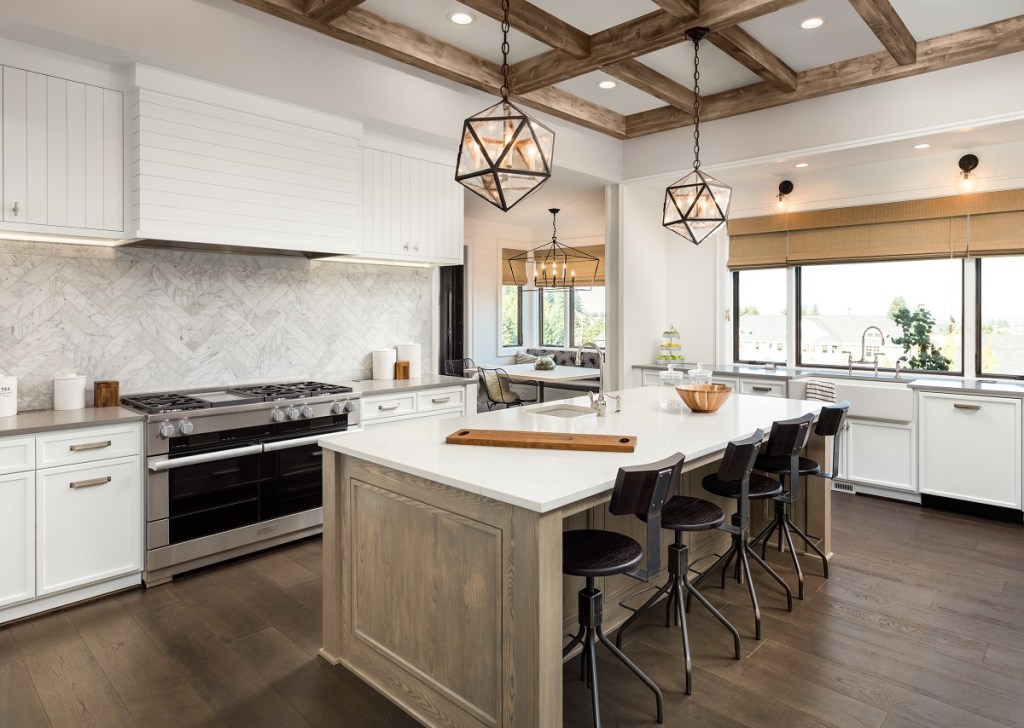
Credit: www.jlconline.com
Customizing For Unique Needs
Customizing your kitchen island to suit your unique needs is a vital aspect of kitchen design. It’s not just about fitting a countertop; it’s about creating a space that enhances your lifestyle and caters to your specific requirements. Whether you’re a gourmet chef or a busy parent, customizing your island can significantly impact the functionality and aesthetics of your kitchen.
Family And Lifestyle Considerations
Your family’s lifestyle plays a crucial role in determining the size and features of your kitchen island. If you have young kids, an island with seating might be perfect for casual meals and homework sessions. Think about how you spend time in the kitchen.
Are you often entertaining guests? An island with ample seating and perhaps a wine fridge could be ideal. If your family loves cooking together, consider adding extra countertop space for everyone to participate. Your island should complement your daily routines and family dynamics.
Special Features
Customizing your island means integrating special features that enhance your kitchen experience. If you’re a culinary enthusiast, a built-in cutting board or a prep sink might be invaluable. These features can streamline your cooking process and make meal preparation more enjoyable.
Consider adding outlets for small appliances or USB ports for charging devices while you cook. If you love baking, a marble countertop section for rolling out dough could be a game-changer. What unique features would make your kitchen island indispensable?
Frequently Asked Questions
What Is The 3×4 Kitchen Rule?
The 3×4 kitchen rule suggests dividing the kitchen into three zones: cooking, cleaning, and storage, with four feet of space between them. This layout enhances efficiency, accessibility, and organization, ensuring a smooth workflow for kitchen tasks while maximizing space utilization.
What Is The Golden Ratio For Kitchen Island?
The golden ratio for a kitchen island typically suggests a balance between length and width, often around 1. 5:1. This ensures optimal functionality and aesthetic appeal. This ratio helps in creating a harmonious kitchen layout, enhancing both workspace and movement flow.
Is A 10 Foot Kitchen Island Too Big?
A 10-foot kitchen island isn’t too big if your kitchen is spacious. Ensure there’s at least 3 feet of clearance on all sides for smooth movement. Consider your kitchen’s layout and functionality needs before deciding. A larger island provides more workspace and storage, enhancing the kitchen’s usability and aesthetics.
Should An Island Overhang 12 Or 15 Inches?
An island overhang of 12 inches suits seated areas, while 15 inches provides extra legroom and comfort. Consider space and usage needs when deciding. An overhang ensures functionality and enhances your kitchen’s usability.
Conclusion
Choosing the right size for a kitchen island is crucial. It impacts space, function, and flow. A well-sized island enhances cooking and socializing. Consider your kitchen’s size and layout. Measure carefully to ensure harmony. Think about storage and seating needs.
Balance is key for efficiency and comfort. A thoughtful approach helps create a functional and inviting kitchen space. Your island should complement, not crowd, the area. Always prioritize practicality and style. With these tips, designing your dream kitchen becomes easier.
Enjoy the process, and make your kitchen a delightful haven!


