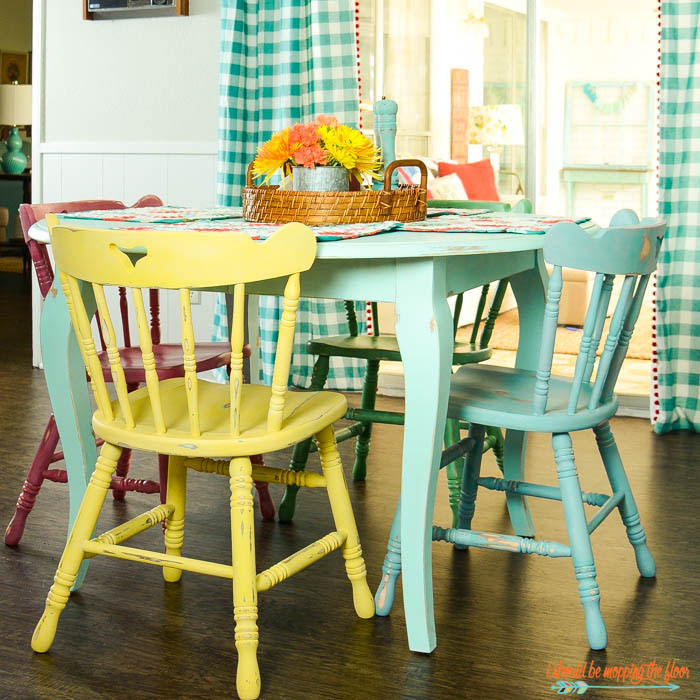
Are you tired of looking at your worn-out dining room table? Does it no longer match your style or the rest of your décor?
If so, you’re in the right place. Painting your dining room table can be an easy and affordable way to breathe new life into your dining space, transforming it from drab to fab. Imagine sitting around a table that feels brand new, perfectly reflecting your personal taste and style.
It’s not just about aesthetics; it’s about creating a welcoming and refreshing environment for you and your guests. In this guide, you’ll discover straightforward steps and insider tips to paint your dining table with confidence. Get ready to turn your dining area into a focal point that you’ll be proud to show off. Let’s dive into the process and start transforming your space today!
Choosing The Right Paint
Choosing the right paint for your dining room table can be a game-changer in transforming its look and feel. Your choice will not only affect the aesthetics but also the durability of the finish. Whether you’re aiming for a sleek modern look or a rustic charm, selecting the appropriate type of paint and color is crucial. Let’s dive into what you need to know to make the best choice.
Types Of Paint For Furniture
When painting furniture, not all paints are created equal. You’ll want to choose one that suits your table’s material and your desired finish.
- Acrylic Paint:Known for its versatility and ease of use. It dries quickly and is suitable for wood surfaces.
- Chalk Paint:Offers a matte finish and is perfect for achieving a distressed or shabby chic look. No need for a primer!
- Latex Paint:Durable and easy to clean. It’s best for surfaces that will see a lot of use.
- Oil-Based Paint:Provides a hard finish and is excellent for high-traffic areas. It requires longer drying time.
Have you ever tried using chalk paint on a table and ended up with a beautiful, antique look? If not, you might be missing out on a stunning transformation!
Color Selection Tips
Choosing the right color can be daunting, but it’s a chance to express your style and complement your home decor.
- Consider the Room’s Palette:Look at the existing colors in the room. Choose a color that blends seamlessly or makes a bold statement.
- Think About Light:Natural and artificial lighting will affect how the color appears. Light colors can make a room feel airy, while dark shades add drama.
- Personal Style:Your table’s color should reflect your personal taste. A classic white might suit a minimalist decor, while a deep blue could add sophistication.
Have you ever picked a color based on a trend only to regret it later? Ensuring the color resonates with your style can prevent such mishaps.
As you ponder these choices, remember that the right paint and color can breathe new life into your dining room table. What story do you want your table to tell?

Credit: www.pinterest.com
Preparing The Table Surface
Ensure the table surface is clean and dry. Sand it gently to remove old paint or finish. This helps new paint stick better.
Preparing the table surface is crucial for a successful painting project. A well-prepared surface ensures the paint adheres properly and lasts longer. This process involves cleaning, sanding, and priming. Each step is essential for achieving a smooth and professional finish.
Cleaning Techniques
Start by removing dust and grime from the table. Use a damp cloth with mild soap to wipe the surface. Rinse the cloth frequently to avoid spreading dirt. Dry the table with a clean towel to prevent moisture damage. For stubborn stains, use a gentle cleaner or vinegar solution. Avoid harsh chemicals that can damage the wood.
Sanding For Smoothness
Sanding smooths out imperfections and prepares the wood for paint. Begin with medium-grit sandpaper to remove old finishes. Use a sanding block for even pressure. Sand in the direction of the wood grain to prevent scratches. Finish with fine-grit sandpaper for a smooth surface. Wipe the table with a tack cloth to remove dust.
Priming Essentials
Priming helps the paint stick better and provides an even color. Choose a primer suitable for your table’s material. Apply a thin coat using a brush or roller. Let the primer dry completely before painting. For dark woods, consider a second coat for better coverage. Sand lightly after priming for a flawless finish.
Tools And Materials Needed
Gather essential tools like brushes, sandpaper, and paint rollers. Choose materials such as primer, paint, and sealant. Ensure a drop cloth to protect the floor.
Transforming a dining room table with a fresh coat of paint can breathe new life into your dining space. Before you begin, gathering the right tools and materials is crucial for a smooth and successful project. Here’s a breakdown of what you’ll need to achieve a flawless finish.
Brushes And Rollers
Selecting the right brushes and rollers is essential for achieving a professional look. Use a high-quality synthetic brush for painting the edges and corners of the table. For the flat surfaces, a foam roller can help you achieve a smooth finish without brush marks. Consider the size of your table. A smaller table may only need a 2-inch brush, while a larger table might require a 4-inch brush for efficiency. Always have a small angled brush on hand for detailed work and touch-ups.
Protective Gear
Safety should be a priority during any painting project. Protect your eyes with safety goggles and wear a mask to avoid inhaling fumes. A pair of gloves can keep your hands clean and free from paint. Think about the clothes you wear. Opt for old clothing or a painting apron to avoid ruining your everyday attire. It’s amazing how paint can end up in the most unexpected places!
Additional Supplies
In addition to brushes and protective gear, there are other supplies you’ll need. Sandpaper is crucial for prepping the table surface, ensuring the paint adheres well. A drop cloth will protect your floors from accidental spills and drips. Don’t forget a good primer to provide a base for the paint and enhance its durability. Depending on the finish you want, you might also need a sealant to protect the painted surface from scratches and stains. Do you have any favorite brands or tools you swear by? Share your thoughts and tips in the comments! Whether you’re a novice or a seasoned DIYer, having the right tools can make all the difference in your painting project.

Credit: www.ishouldbemoppingthefloor.com
Step-by-step Painting Process
Transform your dining room table with a fresh coat of paint. Begin by sanding the surface to remove old finishes. Apply a primer for better paint adhesion, then choose a durable paint. Use smooth, even strokes for a flawless finish.
Let it dry completely before applying a protective topcoat.
Painting a dining room table can transform your space. This step-by-step guide will help you achieve a smooth, professional finish. Follow these simple instructions, and your table will look stunning in no time.
Applying The First Coat
Start with a clean, dust-free surface. Use a brush or roller to apply the paint evenly. Cover the entire table in thin, smooth strokes. Avoid thick layers as they may drip or leave streaks. Thin coats dry faster and look better.
Drying Times And Techniques
Let the first coat dry completely. This can take several hours. Ensure good ventilation to speed up drying. Use a fan or open windows for airflow. Avoid touching the surface during drying. This prevents smudges and fingerprints.
Adding Additional Coats
Once dry, inspect the first coat. If necessary, lightly sand any rough areas. Apply the second coat as you did the first. Thin and even layers work best. Repeat this process until you achieve your desired finish. Typically, two to three coats are ideal for a rich color.
Finishing Touches
After painting your dining room table, it’s time for finishing touches. These steps add elegance and durability to your project. They ensure your table stands out and lasts longer.
Sealing And Varnishing
Sealing your table protects the paint from damage. Use a clear sealant for a smooth finish. Varnishing adds shine and enhances the paint’s appearance. Choose a water-based varnish for easy application. Apply with a brush in thin, even coats. Allow drying time between each coat. This ensures a glossy and durable surface.
Distressing For Effect
Distressing gives your table a vintage look. Lightly sand the edges for a worn effect. Focus on areas that would naturally show wear. Use fine-grit sandpaper for controlled distressing. Experiment with different techniques for unique results. Distressed tables add charm and character to any dining space.
Decorative Accents
Add decorative accents for a personal touch. Consider stenciling patterns on the tabletop. Use contrasting colors for visual interest. Apply decals or stickers for quick decoration. Choose designs that match your dining room theme. You can also add hardware for a rustic look. Decorative accents make your table truly one-of-a-kind.

Credit: www.facebook.com
Common Mistakes To Avoid
Painting a dining room table can refresh your space. Yet, some common mistakes can ruin the final look. Avoid these pitfalls to achieve a smooth, lasting finish. Here are a few mistakes you should steer clear of.
Overloading Paint
Applying too much paint at once leads to drips and uneven surfaces. Use thin layers instead. This ensures a smooth, even finish. It also reduces drying time, which is essential for a professional look.
Ignoring Drying Times
Patience is key in painting. Rushing between coats can cause smudging and unevenness. Allow each layer to dry completely. Check the paint can for recommended drying times. This helps maintain a clean, polished surface.
Skipping Primer
Primer is often overlooked, but it’s crucial. It helps paint stick better and last longer. It also covers imperfections, creating a smooth base. Always apply a primer before painting for the best results.
Maintenance Tips
Preparing your dining room table for painting involves cleaning it thoroughly. Sand the surface to ensure paint sticks well. Choose a suitable primer and apply it evenly before painting. Use smooth, even strokes with a brush or roller for best results.
Finish with a protective sealant for durability.
Maintaining your freshly painted dining room table is crucial to keeping it looking vibrant and beautiful for years to come. Whether you’ve just finished your DIY project or are considering a future makeover, understanding how to care for your painted surfaces can make all the difference. Here are some practical maintenance tips to ensure your table remains a stunning centerpiece in your home.
Cleaning Painted Surfaces
Regular cleaning is essential to preserve the sheen of your painted table. Use a soft, damp cloth to gently wipe the surface. Avoid harsh chemicals that can strip paint. A mild soap solution works wonders in removing everyday grime. Consider using coasters and placemats to prevent stains. It’s a simple step that can save you from frequent deep cleans.
Handling Scratches And Chips
Scratches and chips are inevitable, but they don’t have to ruin your table’s charm. Keep a small touch-up kit with matching paint for quick fixes. A tiny brush can make a scratch disappear in seconds. If you notice larger chips, assess whether a more thorough repair is needed. Sometimes a little wood filler can do the trick before repainting.
Periodic Touch-ups
Even with the best care, your table might need periodic touch-ups. Evaluate your table every few months for areas that have dulled or chipped. Regular touch-ups keep your table looking fresh. It’s also a good time to consider if a new coat of paint is needed. Would a different color breathe new life into your dining space?
Frequently Asked Questions
What Kind Of Paint Do You Use On A Dining Room Table?
Use a durable, non-toxic paint like acrylic or latex for dining room tables. Ensure it’s water-resistant and easy to clean. Choose a finish, such as satin or semi-gloss, for a smooth, protective surface. Proper preparation and sealing enhance longevity and appearance.
Is It Better To Spray Paint Or Paint A Table?
Spray painting offers a smooth, quick finish ideal for flat surfaces. Brush painting provides detailed coverage for intricate designs. Choose based on your table’s design and desired finish. Both methods have pros and cons, but spray painting is generally faster for large areas, while brush painting offers more control.
Can You Paint A Dining Room Table Without Sanding?
Yes, you can paint a dining room table without sanding. Use a bonding primer to ensure proper adhesion. Clean the surface thoroughly before applying paint. Choose high-quality paint suitable for furniture to achieve a smooth finish. Consider using a sealant for added durability and protection.
What Type Of Paint To Use On A Wooden Table?
Use acrylic, latex, or chalk paint for wooden tables. Acrylic paint offers durability and rich color. Latex paint is easy to apply and clean. Chalk paint provides a matte finish and vintage look. Always apply a primer and sealant for better results.
Conclusion
Painting a dining room table brings fresh life to your space. Follow each step carefully for best results. Choose colors that match your decor. Proper preparation ensures lasting beauty. Clean and sand the table thoroughly. Use primer for a smooth surface.
Apply paint evenly in thin layers. Let each coat dry completely. Seal with a protective finish for durability. Enjoy your new table and the compliments it brings. Your dining room now has a fresh, vibrant look. Simple changes can make a big difference.
Happy painting!


