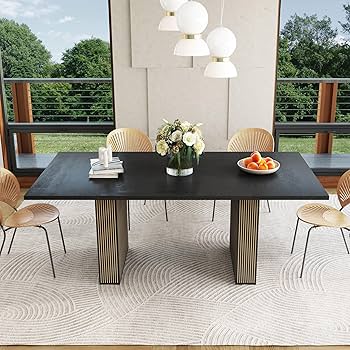
Are you thinking about buying a new dining table but unsure about the right size? You’re not alone.
Choosing the perfect dining table can be a daunting task, especially when you want it to fit just right in your space. Imagine hosting a dinner party and realizing your table is either too cramped or too vast, leaving your guests uncomfortable or isolated.
You want to avoid that, right? This guide will demystify the sizing of dining tables and help you find one that not only complements your dining area but also enhances your dining experience. Stick around to discover the secrets to selecting the ideal dining table size, ensuring every meal becomes a memorable gathering.
Dining Table Dimensions
When choosing a dining table, understanding its dimensions is crucial. The right size ensures comfort during meals and complements your dining space effectively. From seating capacity to room aesthetics, the dimensions of a dining table can significantly influence your dining experience.
Dining tables come in various shapes, each offering a unique seating arrangement and aesthetic appeal. Knowing the dimensions helps you select a table that fits both your space and lifestyle. Consider how many people you typically entertain and the room’s layout when choosing the perfect table.
Standard Dining Table Sizes
Standard sizes generally range from 36 inches to 48 inches in width for rectangular tables. Round tables typically start at 42 inches in diameter. These dimensions are great for medium-sized families and gatherings.
Seating Capacity
Consider how many guests you usually have. A table that seats four might suffice for daily meals, but larger gatherings may require seating for six to eight. Extendable tables provide flexibility, adapting to your needs effortlessly.
Measure your dining area carefully. You should leave at least 36 inches around the table for easy movement. This ensures comfort and prevents overcrowding, allowing guests to move freely without bumping into furniture.
Shape Impacts Size
The shape of your table affects its size and seating arrangement. Rectangular tables are versatile for various settings, while round tables offer a more intimate dining experience. Oval tables blend the benefits of both shapes, providing ample seating without taking up excessive space.
Personal Experience
When I chose my dining table, I underestimated the importance of dimensions. A table too large can overwhelm a space, while a smaller one might not accommodate all your guests. Learning from my mistake, I now appreciate how the right size enhances both comfort and style.
Practical Tips
- Measure your dining room before purchasing a table.
- Consider an extendable table for flexibility.
- Think about the table’s shape and how it fits your space.
Choosing the right dining table is more than just picking a style; it’s about ensuring it fits your space and lifestyle. What dimensions work best for your home?

Credit: sklarfurnishings.com
Standard Sizes
Choosing the right dining table size is essential for comfort. Standard sizes help in selecting the perfect fit for your dining room. These sizes vary based on the table’s shape. Each shape offers unique benefits and space utilization. Understanding these sizes can enhance your dining experience.
Rectangular Tables
Rectangular tables are the most common. They offer ample seating. A standard rectangular table measures 60 to 72 inches long. This size seats four to six people comfortably. For larger gatherings, 84 to 96 inches is ideal. It accommodates eight to ten people. Ensure there’s at least 36 inches of space around the table. This allows guests to move easily.
Square Tables
Square tables are perfect for smaller spaces. They create an intimate dining setting. A typical square table measures 36 to 44 inches. This size seats four people comfortably. Larger square tables, around 60 inches, can seat eight. Ensure equal space on all sides for symmetry. This enhances the dining experience.
Round Tables
Round tables promote conversation. They are ideal for tight spaces. A standard round table is 36 to 48 inches in diameter. This seats four people easily. For six to eight people, choose a 60 to 72-inch table. Ensure there’s enough space around the table. This allows for easy movement and access.
Space Considerations
Choosing the right dining table size involves careful planning. Space considerations play a crucial role in making the right choice. A well-sized dining table enhances comfort and aesthetics. Let’s delve into key factors like room size, seating capacity, and movement space.
Room Size
The room size determines how big your dining table can be. Measure the length and width of your dining area. Ensure there’s enough space for the table and other furniture. Think about the flow and how people will move around. A too-large table can make a room feel cramped.
Seating Capacity
Consider how many people you want to seat regularly. A standard table typically seats four to six people. For larger gatherings, you might need a bigger table. Keep in mind, a larger table requires more space. Think about your entertaining habits to find the perfect size.
Movement Space
Movement space is vital for comfort and functionality. Leave at least 36 inches of space around the table. This allows easy movement and access to seats. Guests should move freely without bumping into furniture. Prioritize convenience and comfort in your dining area layout.
Table Height
Dining tables usually range from 28 to 30 inches in height. This height offers comfort for most people while dining.
Dining tables come in various sizes and heights. Choosing the right table height is crucial for comfort. It affects dining experience and room aesthetics. The height of a dining table can vary based on its intended use. Here’s a look at different table heights.
Standard Height
Standard dining tables are usually 28 to 30 inches tall. This height suits most chairs, providing ample legroom. It’s ideal for traditional dining settings. The standard height offers a comfortable dining posture.
Counter Height
Counter height tables measure around 34 to 36 inches tall. They are taller than standard tables. These tables pair well with high stools. Counter height tables are perfect for casual dining and kitchens. They create a relaxed atmosphere.
Bar Height
Bar height tables reach about 40 to 42 inches. These tables are the tallest in dining settings. They require bar stools for seating. Bar height tables are great for entertaining. They add a trendy vibe to your space.
Material Impact On Size
When selecting a dining table, the material you choose can significantly impact its size. Each material brings unique characteristics that affect the table’s overall dimensions and functionality. Understanding these differences can help you make an informed decision that best fits your dining space and lifestyle.
Wood Tables
Wooden dining tables are a classic choice and often come in more substantial sizes. The natural grain and texture of wood can create a warm, inviting atmosphere, but this comes with added bulk. Solid wood tables tend to be heavier and thicker, which might demand a larger room to avoid a cramped feel.
Consider the type of wood when thinking about size. Hardwoods like oak and walnut might be more robust and heavier, while softwoods like pine offer a lighter alternative. Would a rustic, oversized farmhouse table fit your dining area, or would a sleek, modern design suit better?
Glass Tables
Glass tables can create an illusion of space, making them ideal for smaller dining areas. Their transparency allows light to pass through, which can make a room feel larger and more open. Despite their airy appearance, glass tables often require sturdy bases, which can affect their overall footprint.
If you’re considering a glass table, think about the base material and style. A minimalist metal base might maintain an open look, while a wooden base could add a touch of warmth. How does the transparency of glass fit with your desire for a spacious feel?
Metal Tables
Metal dining tables are often associated with industrial or modern designs. They can offer a sleek, streamlined look but might have a smaller surface area due to their design focus. Metal tables can be surprisingly lightweight, allowing for easy repositioning in versatile dining spaces.
Examine the type of metal used, as this can influence both weight and size. Aluminum is lightweight, while steel provides a sturdier feel. Do you prefer the clean lines of a metal table or the industrial vibe it brings to your dining area?
Choosing the right material for your dining table is not just about aesthetics but also about how it fits into your space and lifestyle. What material aligns best with your vision for your dining area?
Custom And Extendable Options
Dining tables come in various sizes and styles to fit any space. Custom and extendable options offer flexibility for changing needs. These tables are perfect for small gatherings or large dinner parties. They adapt to your lifestyle with ease.
Expandable Tables
Expandable tables are versatile. They can grow or shrink based on your needs. These tables usually have leaves or hidden panels. You can add or remove them to adjust the table size. Many expandable tables feature smooth mechanisms. This makes changing the size easy and convenient.
Materials vary from wood to glass or metal. Each material offers a different look and feel. They come in many styles, from modern to traditional. You can find one that matches your home decor. Expandable tables are ideal for dynamic spaces.
Custom Designs
Custom designs offer a personal touch. You can choose the size, shape, and material. This ensures the table fits perfectly in your space. Many artisans create unique pieces based on your specifications. This adds character to your dining area.
Custom tables often become conversation pieces. They reflect your style and preferences. This option allows you to experiment with design elements. You can create a table that stands out. Custom designs make your dining area special.
Choosing The Right Size
Choosing the right size for your dining table can be a surprisingly complex decision. It’s not just about fitting the table into your space; it’s about creating a comfortable and functional environment for meals and gatherings. You want a table that complements your lifestyle while accommodating future needs. Let’s dive into how you can make an informed choice.
Measure Your Space
Start by measuring the area where you plan to place your dining table. A tape measure is your best friend here. Think about how much room you need for chairs and movement around the table. If you have a small apartment, a compact table might be ideal, but if you’re lucky enough to have a sprawling dining room, consider a larger piece. Remember, you need at least 24 inches of clearance from the walls to ensure comfortable seating.
Consider Your Lifestyle
Your lifestyle plays a crucial role in selecting the right dining table size. Do you frequently entertain guests or is it mostly just family meals? If you love hosting dinner parties, a larger table with extendable options could be beneficial. On the other hand, if your dining area serves as a multipurpose space for work and play, you might want a table that’s adaptable to different activities. Think about your daily routine and how your dining table fits into it.
Future Needs
Consider your future needs when choosing a dining table. Are you planning a family expansion or expecting frequent visitors? Opt for a table that can grow with you, like those with leaves that can be added or removed. This adaptability can save you from future headaches. A friend once bought a compact table for his small family, only to realize he needed more space when his relatives visited more often. Planning ahead could save you from making similar adjustments.
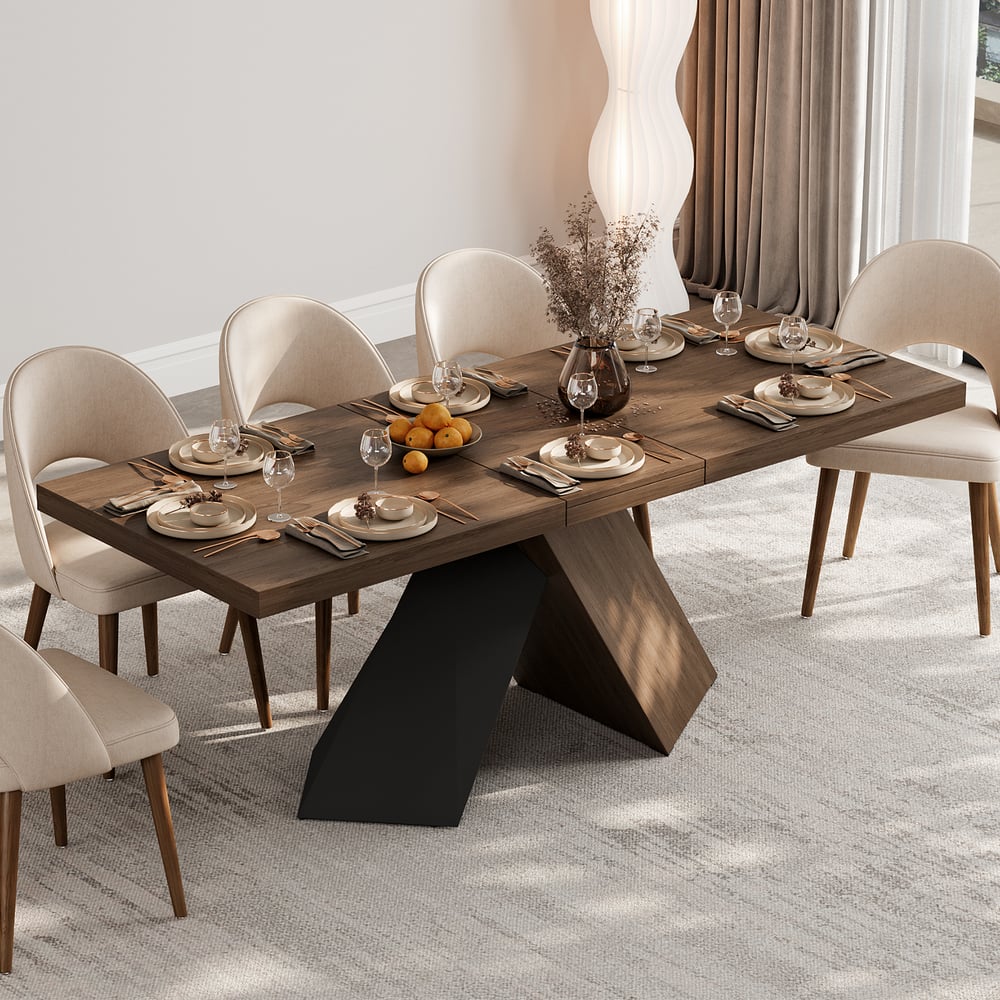
Credit: m.homary.com
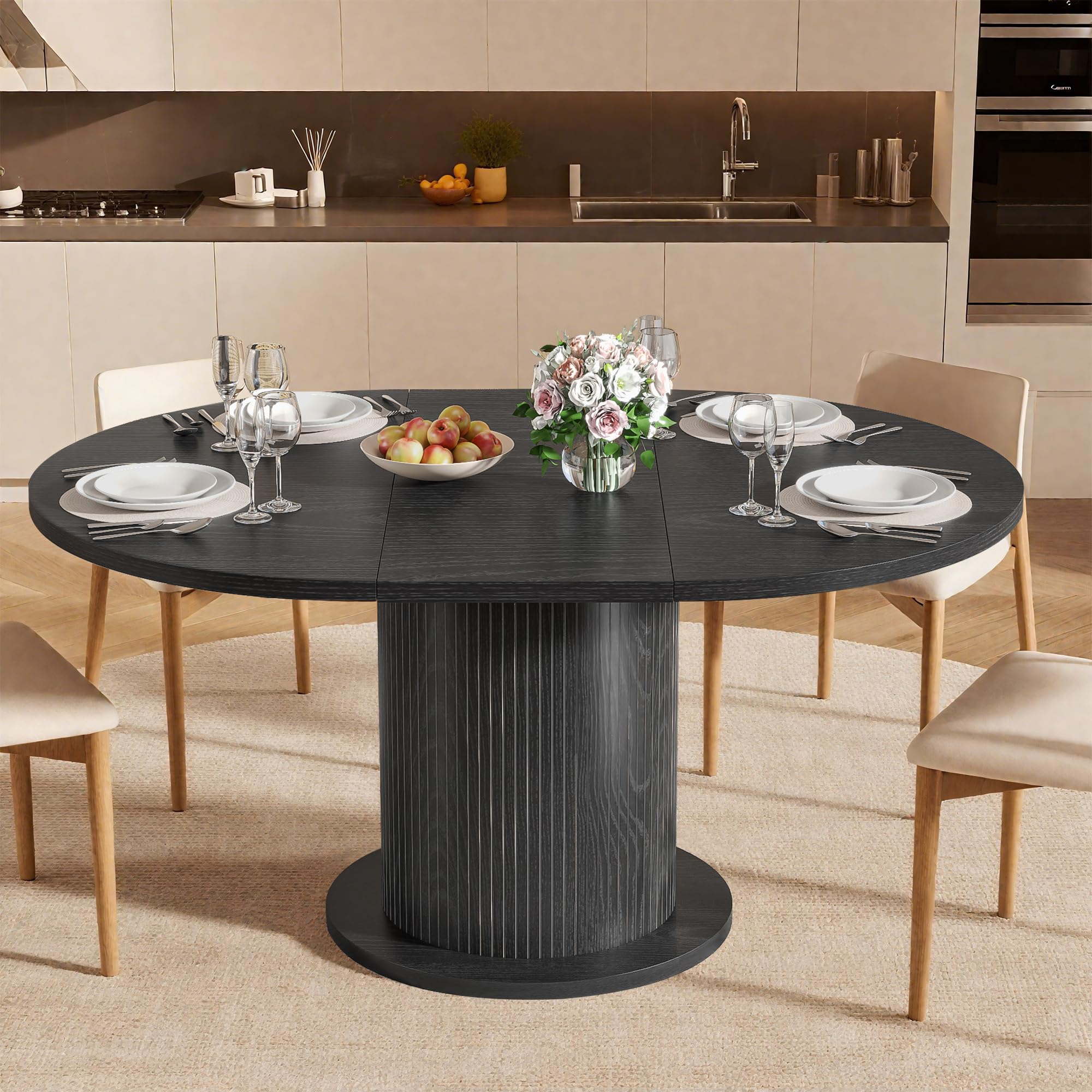
Credit: www.amazon.com
Frequently Asked Questions
What Is The Standard Size For A Dining Table?
A standard dining table measures 36 to 40 inches wide and 29 to 31 inches high. Length varies based on seating capacity: 4-person tables are 48 inches long, 6-person tables are 60 to 72 inches, and 8-person tables are 72 to 96 inches.
Choose based on space and seating needs.
What Is The Size Of A 6 Seater Dining Table?
A 6-seater dining table typically measures 72-96 inches in length and 36-43 inches in width. These dimensions provide enough space for six people to sit comfortably. Always check specific table designs for precise measurements.
What Is The Size Of A 4 Seater Dining Table?
A 4-seater dining table typically measures 48 to 60 inches in length and 30 to 36 inches in width. Ensure there’s enough room for chairs and movement around the table.
How Many People Can Sit At A 7ft Dining Table?
A 7ft dining table can typically accommodate 6 to 8 people comfortably. Seating may vary based on chair size and table design. Ensure adequate space for dining essentials to enhance comfort. Always consider the room’s layout for optimal arrangement.
Conclusion
Choosing the right dining table size matters. It impacts space and comfort. Measure your room first. Consider the number of people typically dining. Small spaces need compact tables. Bigger rooms allow for larger tables. Think about the shape too. Round tables save space.
Rectangular ones fit many guests. Balance style and practicality. Dining tables vary greatly. Selecting the perfect size enhances your dining experience. Make sure it fits well with your room layout. A well-chosen table transforms your dining area beautifully. Enjoy meals together comfortably.


