Imagine transforming your workspace into a hub of productivity and wellness with just a simple tweak. You’re probably wondering how something as straightforward as a standing desk can revolutionize your workday.
Well, you’re not alone! Many people are discovering the incredible benefits of standing desks, not just for their physical health, but for their mental clarity and focus too. This article will take you through the fascinating world of standing desks, showing you exactly how they work and why they might be the missing piece in your quest for a healthier, more efficient work life.
If you’ve ever felt the fatigue of sitting all day or the sluggishness that seems to sap your creativity, this is the solution you’ve been searching for. Keep reading to unlock the secrets of standing desks and how they can change the way you work forever.
Benefits Of Standing Desks
Standing desks allow users to alternate between sitting and standing. This promotes movement and reduces sedentary behavior. They help improve posture, increase energy levels, and enhance productivity.
Standing desks are gaining popularity. They offer a range of benefits for users. These desks allow you to switch between sitting and standing. This flexibility leads to various physical and mental advantages. Here, we explore the key benefits of using standing desks.Enhanced Focus
Standing desks can boost concentration. Standing increases blood flow, which aids brain function. This means improved alertness and productivity. People often feel more energetic while standing. It reduces the midday slump, keeping you focused.Improved Health
Standing desks promote better health. They help reduce the risk of weight gain. Standing burns more calories than sitting. This can lead to weight management over time. They also lower the risk of heart disease. Sitting for long periods is linked to heart issues. Standing helps counteract these effects. Standing desks encourage better posture. They reduce the strain on your back and neck. This can alleviate pain and discomfort. In the long run, this leads to fewer musculoskeletal problems.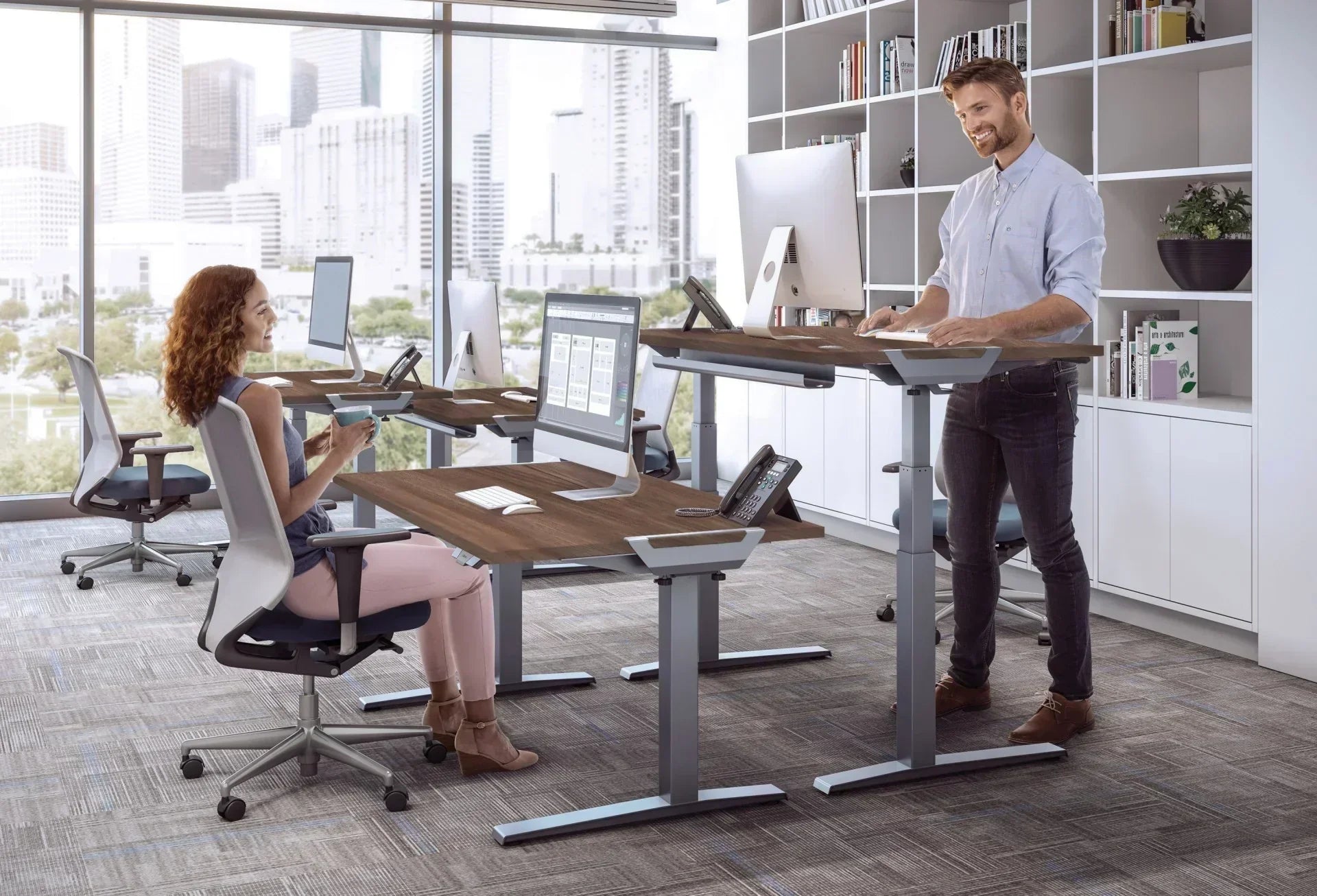
Credit: updowndesk.com.au
Mechanics Of Standing Desks
Standing desks offer a healthier way to work. They help reduce sitting time and promote movement. Understanding their mechanics can enhance their benefits. Let’s dive into how these desks function effectively.
Adjustable Height Features
Standing desks come with adjustable height settings. Users can switch between sitting and standing positions. This flexibility caters to various heights and preferences. Some desks feature manual adjustments. These require physical effort to change height. Others come with electric adjustments. A simple button press alters the desk’s height. This is convenient for quick changes during work hours.
Material And Design
Quality materials ensure durability and stability. Many standing desks use solid wood or metal frames. This supports heavier equipment and provides longevity. Designs vary from sleek modern to traditional styles. These can complement different office aesthetics. The surface material impacts comfort and ease of use. Smooth finishes allow easy movement of computer mice. Textured surfaces might offer a grip for stationery items.
Types Of Standing Desks
Standing desks have gained immense popularity in recent years, offering a healthier alternative to traditional workstations. But not all standing desks are created equal. Let’s explore the different types available to help you find the perfect fit for your workspace needs.
Electric Standing Desks
Electric standing desks are a game-changer for anyone looking to effortlessly switch between sitting and standing. With just the push of a button, you can adjust the desk to your desired height. This convenience is perfect for those who value efficiency and ease of use.
Imagine working on a project and feeling the need to stretch. Instead of disrupting your workflow, an electric desk lets you stand up and continue working without missing a beat. Plus, many models come with memory settings, so you can save your preferred heights.
Manual Standing Desks
Manual standing desks offer a more budget-friendly option without compromising on functionality. These desks typically use a crank or lever to adjust the height. While it requires a bit of physical effort, it’s an excellent choice if you’re looking to save on electricity and costs.
Think of it as a mini workout during your workday! If you prefer a more hands-on approach and don’t mind the extra effort, manual desks can be a great choice. They also come in various styles to match your office decor.
Convertible Desk Options
If you’re not ready to part with your current desk, convertible desk options might be the solution. These sit-stand converters can be placed on top of your existing desk. They provide the flexibility to stand while working without needing to replace your entire setup.
Do you have a favorite desk or workspace that you’d rather not change? A convertible desk allows you to enjoy the benefits of a standing desk while maintaining your beloved setup. Look for models that offer stable platforms and ample space for your equipment.
Choosing the right standing desk type depends on your personal preferences and workspace needs. Whether it’s the ease of an electric model, the simplicity of a manual one, or the adaptability of a converter, there’s a standing desk for everyone.
Impact On Work Environment
Standing desks promote a healthier work environment by reducing prolonged sitting. They encourage movement and improve posture, which can boost productivity. By allowing workers to switch between sitting and standing, these desks can enhance focus and energy levels throughout the day.
Standing desks are more than just a trendy office accessory. They significantly reshape the work environment, enhancing both personal productivity and team dynamics. By transforming the way people work, standing desks contribute to a more engaging and efficient workspace.Collaboration And Interaction
Standing desks encourage more spontaneous interaction among colleagues. When you’re standing, it’s easier to move around and engage with others. You might find yourself discussing ideas more freely or quickly gathering for an impromptu meeting. Standing also breaks the monotony of sitting, making you more approachable. This can lead to increased collaboration as colleagues feel more comfortable approaching each other. Have you noticed how standing in a group naturally leads to more lively discussions?Space Utilization
Standing desks can optimize your office space. With their adjustable height, they allow for more flexible layouts and can easily adapt to different work styles. This flexibility can lead to a more efficient use of space, accommodating both collaborative and individual work. Think about how much more room you have when chairs aren’t cluttering the area. A well-organized space can boost productivity and make the office feel more open and inviting. How could you rearrange your workspace to take full advantage of standing desks? Embracing standing desks can transform your work environment, fostering a vibrant and dynamic workplace. Whether through enhanced interaction or smarter space utilization, the benefits are clear and impactful.Tips For Effective Use
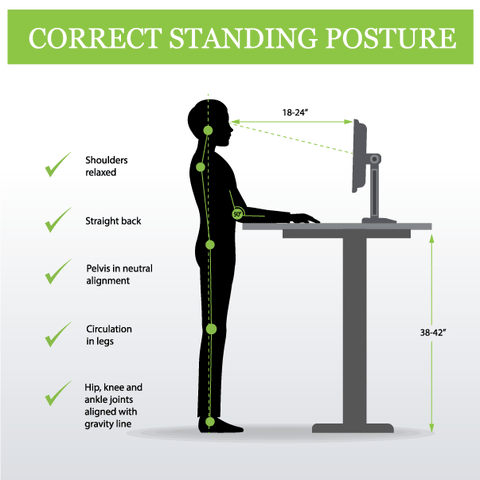
Adjust the desk height to match your elbows. Alternate between sitting and standing to reduce fatigue. Keep your computer screen at eye level to avoid neck strain.
Standing desks have become a popular choice for those looking to enhance their work environment and promote better health. However, simply owning a standing desk doesn’t automatically yield benefits. Understanding the nuances of its use is crucial for maximizing its potential. Here are some practical tips to help you effectively integrate a standing desk into your daily routine.Posture And Ergonomics
Maintaining the right posture is key to reaping the benefits of a standing desk. Your monitor should be at eye level, and your screen should be about an arm’s length away. This helps reduce strain on your neck and eyes. Ensure your wrists are straight and your hands are at or below elbow level. Consider using a footrest to shift weight occasionally and reduce leg fatigue. Small changes in posture can lead to big improvements in comfort and productivity.Balancing Sitting And Standing
It’s tempting to stand all day, but balance is essential. Alternate between sitting and standing to prevent discomfort and fatigue. Aim to start with a ratio, like 30 minutes standing for every hour sitting. Listen to your body. If you feel discomfort, adjust your position or take a short walk. Over time, you’ll find a rhythm that suits your body and work style. By understanding these aspects and making mindful adjustments, you can make the most of your standing desk and create a more productive and healthy workspace.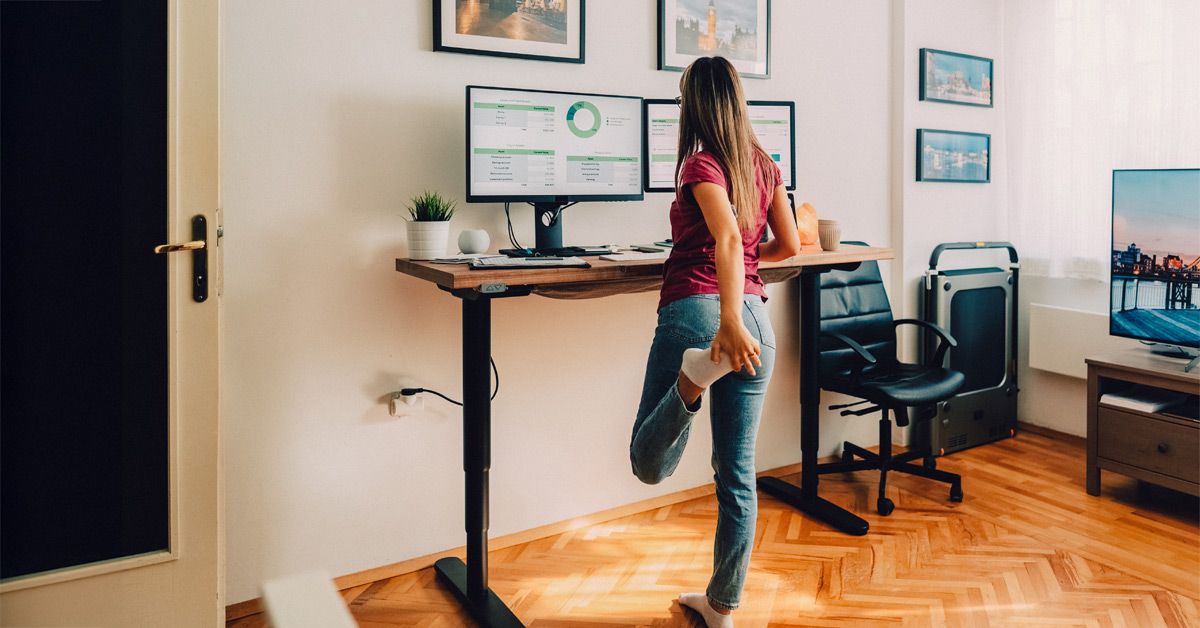
Credit: www.healthline.com
Common Concerns
As standing desks become more popular, several common concerns arise among potential users. Whether you’re contemplating a switch for health benefits or productivity boosts, understanding these concerns can help you make an informed decision. Let’s delve into the practical aspects of cost and adaptation to ensure your transition to a standing desk is smooth and worthwhile.
Cost Considerations
Standing desks come in a range of prices, from budget-friendly models to high-end options. It’s easy to get overwhelmed by the variety.
- Think about your budget and what features are essential for you. Do you need adjustable height or extra workspace?
- Consider long-term benefits over immediate costs. A good standing desk could improve your health and productivity, potentially saving on medical bills and boosting your work output.
- Explore second-hand options or DIY solutions to cut costs without compromising on quality.
Would you invest in a tool that could transform your workday experience?
Adaptation Challenges
Switching to a standing desk can be a significant change, especially if you’re used to sitting for long hours.
- Start slow. Gradually increase your standing time to allow your body to adjust.
- Incorporate balance mats or supportive footwear to ease the transition.
- Set reminders to switch positions throughout the day to avoid fatigue.
Have you considered how standing might affect your daily routine and comfort?
Remember, the goal is to find a balance that works for you, enhancing your workflow without compromising your comfort. Addressing these concerns can lead to a more enjoyable and productive experience with your standing desk.
.png?width=800&height=1067&name=WI%20Stand%20Up%20Guide%20(1).png)
Credit: www.worksiteinternational.com
Frequently Asked Questions
How Long Are You Supposed To Stand At A Standing Desk?
Stand for 30 to 60 minutes every hour at a standing desk. Balance sitting and standing to avoid fatigue. Adjust time based on comfort and productivity. Listen to your body and take breaks as needed.
How Does A Standing Desk Mechanism Work?
A standing desk mechanism uses either manual or electric controls. Manual ones often have levers or cranks. Electric desks feature motors for height adjustment. Both allow users to switch between sitting and standing positions. This promotes better posture and reduces health risks associated with prolonged sitting.
What Are The Downsides Of A Standing Desk?
Standing desks can cause leg and foot pain due to prolonged standing. They may lead to poor posture if not adjusted correctly. Standing for long periods can cause fatigue and discomfort. Some people experience lower back pain. Transitioning from sitting to standing requires time and adjustment.
Do Standing Desks Actually Help Posture?
Standing desks can improve posture by promoting better alignment and reducing slouching. They encourage movement and reduce prolonged sitting. Regular use can strengthen core muscles, supporting a healthier spine. It’s important to adjust desk height and monitor position for optimal benefits.
Conclusion
Standing desks promote better posture and movement. They help reduce back pain. You switch between sitting and standing. This change boosts energy and focus. Using a standing desk can improve productivity. It creates a healthier workspace. Choose the right height for comfort.
Adjust your screen for eye level. Remember to take breaks often. Move around to stay healthy. Standing desks aren’t just a trend. They offer real benefits. Think about your needs. Make small changes for big results. Enjoy a more active workday.
Stay healthy and comfortable with the right setup.


