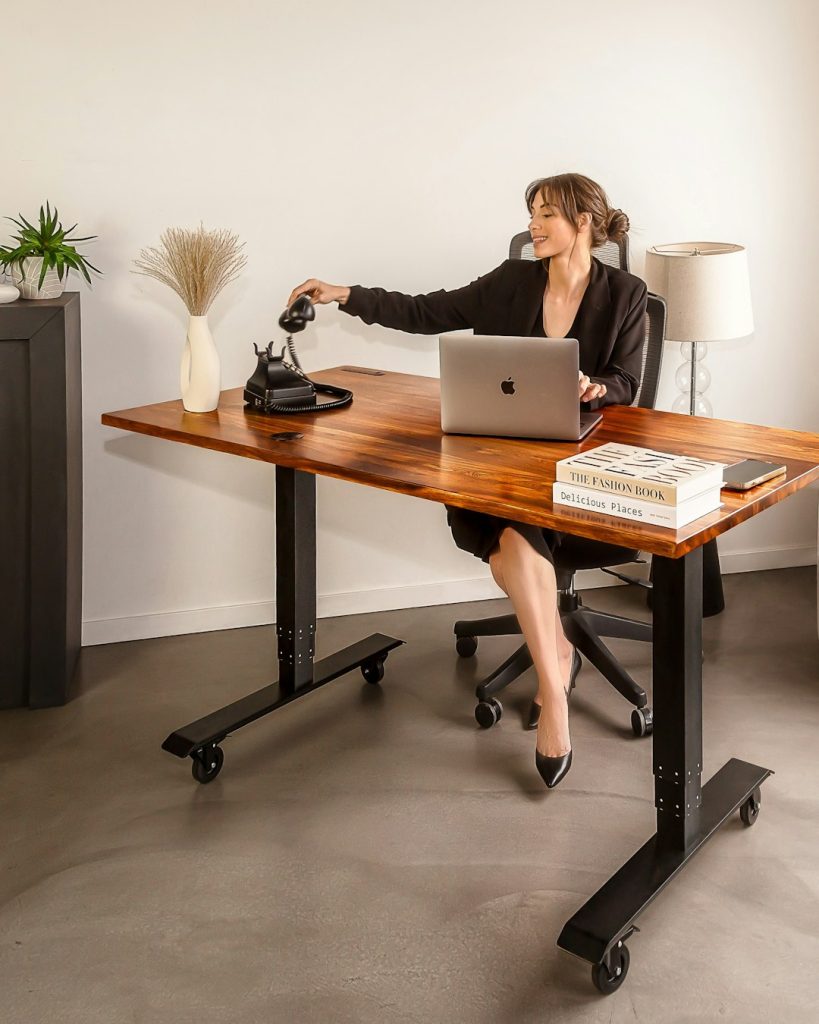
Are you tired of sitting all day and feeling sluggish? Do you want to boost your productivity and energy levels?
Creating a standing desk might be just the solution you need! Imagine transforming your workspace into a healthier, more dynamic environment that keeps you moving and motivated. With just a few simple steps, you can craft a desk that suits your style and needs, without breaking the bank.
Whether you’re looking to improve your posture, increase your focus, or simply mix up your daily routine, this guide will show you exactly how to create a standing desk that works for you. Ready to revolutionize your workspace and discover the benefits that come with standing more often? Let’s dive in and explore how you can make the change today!

Credit: www.facebook.com
Benefits Of A Standing Desk
Creating a standing desk offers health benefits by reducing sitting time. It can enhance posture and increase energy levels.
Creating a standing desk can be a game-changer for your work routine, offering a host of benefits that go beyond just ergonomics. If you’ve been sitting for hours on end, a standing desk might be the refreshing change you need. Let’s explore how standing desks can enhance your work life and boost your overall well-being.Enhanced Focus And Concentration
Standing while working can significantly improve your focus and concentration. When you’re on your feet, you’re more alert and engaged. Have you noticed how your mind tends to wander when you’re too comfortable? Standing keeps your brain active, which can lead to sharper thinking and increased productivity. Try it during those long meetings or when working on tasks that require high concentration.Improved Physical Health
The physical health benefits of a standing desk are considerable. By reducing the amount of time you spend sitting, you’re lowering the risk of health issues like obesity, diabetes, and cardiovascular disease. Standing also helps improve your posture and reduces back pain. Imagine feeling less stiffness at the end of the day just by changing your work setup.Increased Energy Levels
Have you ever felt the afternoon slump, where your energy levels drop, and all you want is a nap? A standing desk can help combat this. Standing encourages more movement throughout the day, which can boost your energy levels. You’ll find yourself more active and less fatigued, ready to tackle your to-do list with renewed vigor. By integrating a standing desk into your workspace, you’re not just enhancing your work environment; you’re investing in your long-term health and productivity. Are you ready to stand up for a healthier workday?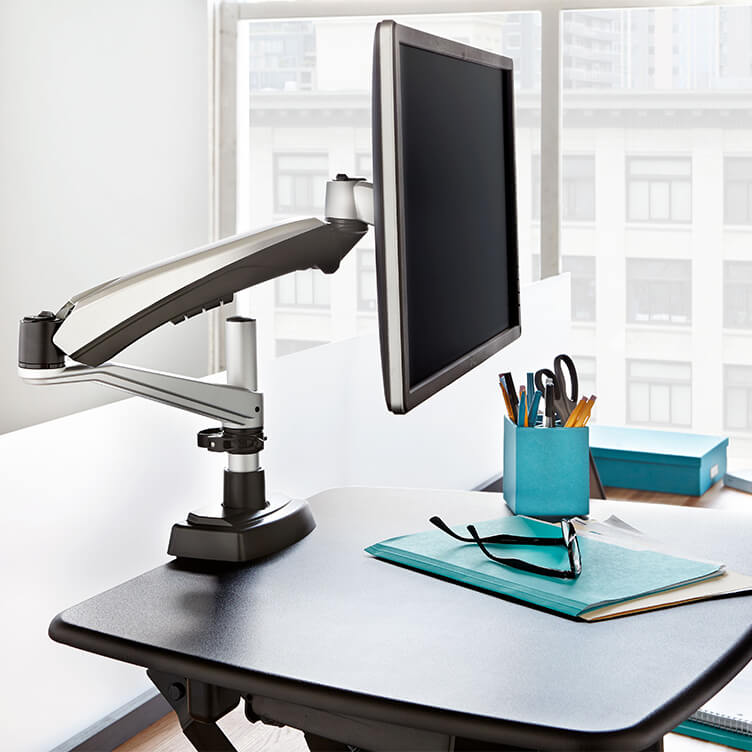
Credit: www.vari.com
Choosing The Right Materials
Choosing the right materials is essential for creating a sturdy standing desk. Consider wood, metal, or durable plastic for a long-lasting build. These materials not only ensure stability but also enhance the desk’s aesthetic appeal.
Choosing the right materials for your standing desk is crucial. The materials impact durability, sustainability, and cost. Each choice affects the desk’s longevity and environmental footprint. Let’s explore some options to guide your selection.Sustainable Options
Selecting eco-friendly materials benefits the environment. Bamboo is a popular choice for its renewable nature. It grows quickly, making it a sustainable option. Reclaimed wood is another great choice. It repurposes old wood, reducing waste. Both materials offer strength and unique aesthetics.Durable Choices
Durability ensures your desk lasts for years. Solid wood stands strong against daily use. It’s robust and adds a classic look. Metal frames provide sturdiness. They support heavy work equipment without bending. Combining metal with wood gives stability and style.Cost-effective Solutions
Budget-friendly materials don’t have to sacrifice quality. Plywood is affordable and versatile. It can mimic more expensive woods. MDF (Medium-Density Fiberboard) offers a smooth surface. It’s less costly than solid wood. These materials allow savings while maintaining functionality.Designing Your Standing Desk
Creating a standing desk involves choosing the right height for comfort and productivity. Use sturdy materials like wood or metal for durability. Adjustable features ensure flexibility for different tasks and users.
Designing your standing desk is an exciting journey towards a more productive and healthier work environment. A well-designed standing desk can transform your work routine and boost your energy levels. It’s not just about picking a desk; it’s about creating a workspace that suits your needs and preferences.Ergonomic Considerations
When crafting your standing desk, ergonomics should be at the forefront of your mind. Your desk should allow your eyes to be level with the top third of your monitor, reducing neck strain. Ensure your wrists remain straight and your arms comfortably rest by your sides while typing. A personal tip: consider a cushioned mat to reduce the stress on your feet from prolonged standing. How does your current setup compare?Space Optimization
Space optimization is crucial in designing your standing desk. Analyze your workspace and determine how much room you have for your desk without crowding the area. Consider vertical space; shelves or wall-mounted storage can keep your desk clutter-free. Think about your daily essentials and arrange them within easy reach to streamline your workflow.Adjustable Features
Adjustable features are a game-changer for any standing desk setup. Look for a desk that allows you to easily switch between sitting and standing positions. This flexibility can help you maintain energy and focus throughout the day. A desk with adjustable height settings can accommodate different users or shifts in your posture. Have you considered adding a monitor arm for even more customization? By thoughtfully designing your standing desk with these elements in mind, you create a workspace that not only meets your practical needs but also enhances your overall well-being. What changes will you make to improve your desk setup?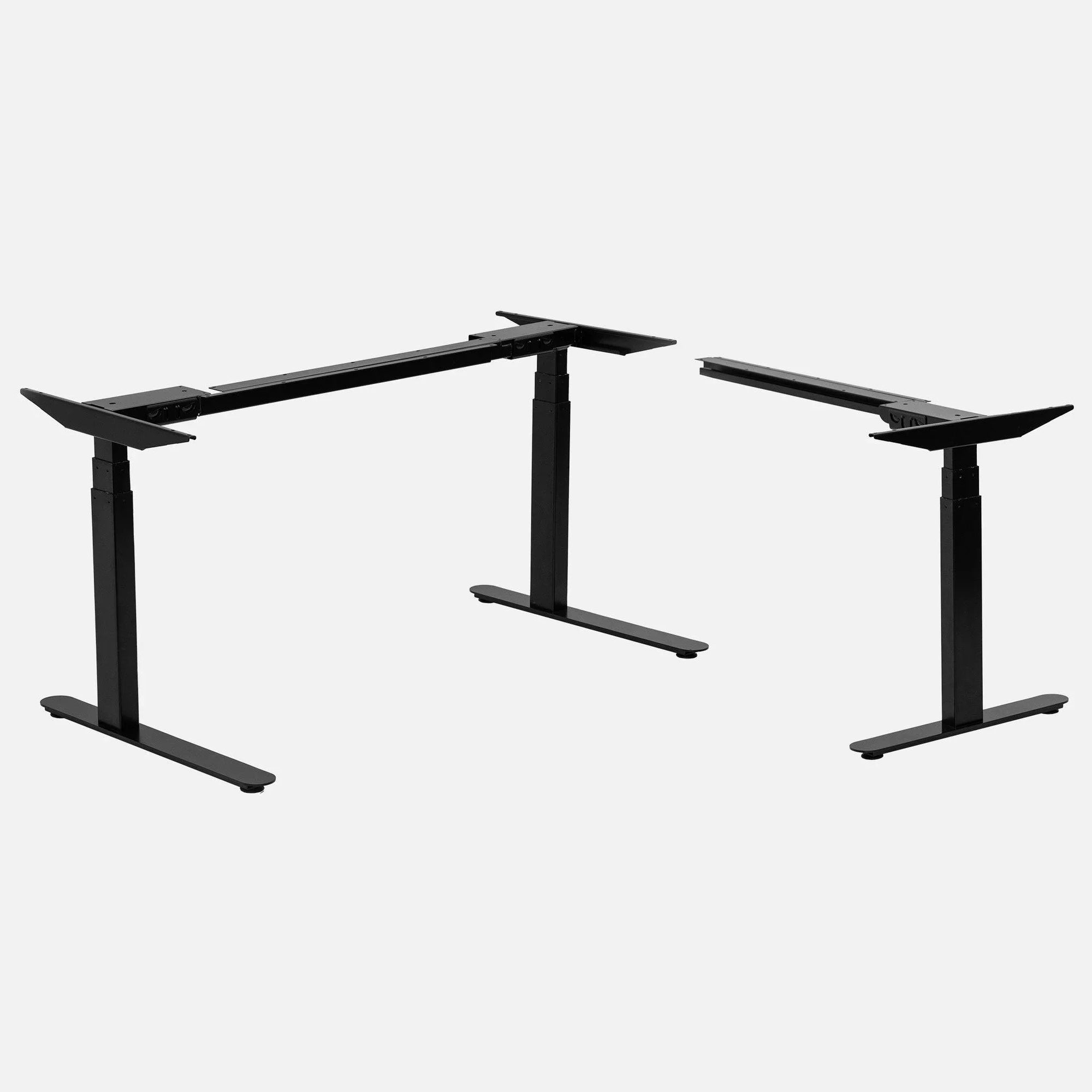
Credit: www.imovr.com
Building The Desk
Creating a standing desk involves choosing a sturdy tabletop and adjustable legs. Ensure the height matches your comfort level. Personalize with accessories to suit your needs.
Building a standing desk can be a rewarding project. It offers a custom workspace tailored to your needs. A standing desk encourages better posture and can improve your health. Creating your own desk can also save money and boost creativity. Let’s dive into the process and explore how to build a standing desk.Essential Tools And Equipment
Before starting, gather essential tools and equipment. You’ll need a measuring tape, a saw, and a drill. Sandpaper, screws, and brackets are also necessary. A screwdriver and a level will ensure stability. Choose a sturdy wood or metal for the desk surface. Adjustable legs will provide flexibility in height.Step-by-step Assembly Guide
Start by cutting the desk surface to your desired size. Use the saw carefully for straight edges. Next, attach the legs to the desk surface using screws and brackets. Ensure each leg is at the same angle for balance. Use the level to check the desk’s evenness. Secure all connections tightly with the screwdriver. If using adjustable legs, set them to a comfortable height.Safety Precautions
Safety is important during construction. Wear safety goggles to protect your eyes. Use gloves to avoid splinters or cuts. Ensure your workspace is clean and free from hazards. Double-check all measurements before cutting. Keep tools organized and within reach. Always unplug power tools when not in use.Incorporating Technology
Incorporate technology to easily create a standing desk. Use adjustable desk legs or risers for flexibility. Add a monitor stand to maintain proper screen height.
Creating a standing desk involves more than just assembling the physical components. Integrating technology effectively ensures functionality and enhances productivity. Proper setup can prevent clutter and maintain a clean workspace, allowing you to focus better. Here’s how to incorporate technology seamlessly into your standing desk setup.Cable Management
Keeping cables organized is crucial. Tangled wires can be distracting and messy. Use cable ties or clips to bundle and secure cords. Route them along the edges of your desk or under it. Consider using a cable tray underneath to keep them out of sight. This will maintain a neat appearance and prevent cables from snagging or causing accidents.Monitor Placement
Monitor position affects comfort and posture. Place your monitor at eye level. This prevents neck strain and promotes good posture. The distance should be about an arm’s length away. You might need a monitor stand or adjustable arm. These tools help you find the perfect height and angle. This setup reduces glare and eye fatigue, contributing to a healthier work environment.Keyboard And Mouse Setup
The keyboard and mouse should be within easy reach. Position them so your arms bend at a 90-degree angle. This reduces strain on your wrists and shoulders. Consider an ergonomic keyboard and mouse. These devices are designed to minimize discomfort during long work sessions. Proper placement ensures efficient workflow and comfort throughout the day.Customizing Your Workspace
Elevate your workspace by crafting a standing desk. Use sturdy materials to build a comfortable, adjustable height surface. Enhance productivity and reduce strain with this ergonomic setup.
Creating a standing desk is just the beginning. The real magic happens when you start customizing your workspace to fit your unique style and needs. Personalizing your desk not only boosts your productivity but also makes work a lot more enjoyable. Imagine stepping into a space that feels truly yours, where everything is within reach and perfectly organized. Ready to make your standing desk a reflection of your personality and work habits?Personal Touches
Add elements that resonate with your personality. Consider framed photos or artwork that inspire you. You might even add a small plant to bring a touch of nature into your workspace. These personal touches can transform a sterile desk into a welcoming space.Organizational Tips
Organize your desk with efficiency in mind. Use cable organizers to keep cords tidy and out of sight. Drawer dividers can help keep your essentials in check, ensuring you find what you need quickly. A clutter-free desk can lead to a clutter-free mind.Comfort Enhancements
Comfort is key when you’re standing for extended periods. Invest in a quality anti-fatigue mat to reduce strain on your legs and feet. Consider adjustable monitor stands to ensure your screens are at eye level. Comfort enhancements can make your standing desk experience more pleasant and sustainable. What changes will you make to your workspace today?Maintaining Your Standing Desk
Creating a standing desk involves choosing a sturdy surface and adjustable legs for optimal height. Regularly check for loose screws and clean surfaces to maintain functionality.
Maintaining your standing desk is crucial for its longevity. Regular upkeep ensures its smooth functioning. It also helps in avoiding unexpected issues. A well-maintained desk provides a better working experience. Follow these simple steps to keep your desk in top shape.Routine Checks
Perform regular checks on your standing desk. Inspect screws and bolts for tightness. Look out for any signs of wear or damage. Ensure the desk moves up and down smoothly. Check the power connections if your desk is electric. Keep a schedule for these checks, like once a month.Cleaning Tips
Keep your standing desk clean with gentle methods. Use a soft, damp cloth to wipe the surface. Avoid using harsh chemicals, as they can damage the finish. For electronic parts, use a dry cloth. Regular cleaning prevents dust buildup and keeps your desk looking fresh.Minor Repairs
Handle minor repairs promptly to avoid bigger issues. Tighten any loose screws immediately. Replace any worn-out parts with compatible components. For wobbly desks, adjust the feet to level the desk. If an electrical issue arises, consult the manual or seek professional help. Regular maintenance can reduce the need for major repairs.Maximizing Productivity
Enhance productivity by creating a standing desk. Choose a sturdy table and adjust it to elbow height. Ensure your monitor is at eye level for comfort.
Maximizing productivity with a standing desk can transform your work routine. This setup encourages movement and boosts focus. A standing desk creates an active environment. Let’s explore effective habits for maximizing productivity.Effective Work Habits
Adopting effective work habits can enhance your productivity. Set clear goals for each work session. Break tasks into smaller steps. This makes them manageable and less overwhelming. Use a timer to track work and break intervals. This helps maintain focus and avoid burnout. Keep your workspace organized. A clean desk reduces distractions and improves efficiency.Balancing Sitting And Standing
A balance between sitting and standing is key. Alternate between both positions throughout the day. This reduces strain on your body. Use a timer to remind yourself to change positions. Aim for a ratio of 1:1 for sitting and standing. Listen to your body. Adjust the ratio based on comfort and productivity levels.Time Management Strategies
Effective time management strategies can further enhance productivity. Prioritize tasks by importance and deadline. Use a planner or digital tools to schedule your day. Allocate time blocks for focused work. Include breaks to recharge. Avoid multitasking. Focus on one task at a time for better results. Review your progress regularly. Adjust your plan to improve productivity and efficiency.Frequently Asked Questions
Is It Cheaper To Build Your Own Standing Desk?
Building your own standing desk can be cheaper. It depends on materials and tools you already own. Customize it to fit your needs, saving money on costly features. Compare DIY costs with pre-made options for the best deal.
What Is The 20 8 2 Rule For Standing Desks?
The 20 8 2 rule suggests standing for 20 minutes, sitting for 8 minutes, and moving for 2 minutes. This cycle promotes better posture and reduces fatigue, enhancing productivity and well-being. Implementing this routine effectively balances standing desk use for optimal health benefits.
Can I Make A Regular Desk A Standing Desk?
Yes, you can convert a regular desk into a standing desk using a desk converter or adjustable risers. Ensure stability and ergonomics. This option offers flexibility and can improve posture. Look for a converter that suits your desk size and needs.
Standing desks enhance productivity and health.
What Are The Negatives Of A Standing Desk?
Standing desks can lead to leg discomfort and fatigue. They may cause poor posture if not adjusted properly. Extended standing might increase the risk of varicose veins. Some users find it challenging to focus. Transitioning between sitting and standing can disrupt workflow.
Conclusion
Building a standing desk can boost your health and productivity. It’s a simple project with big benefits. Using basic tools, you can create a desk that suits your needs. Adjust the height for comfort. Add shelves for extra storage. Ensure stability with strong materials.
You’ll find it easier to focus and work efficiently. Standing desks can reduce back pain and improve posture. Take breaks to stretch and relax. This DIY project saves money and fits your space perfectly. Now, enjoy your new workspace and feel the difference.


