Have you ever noticed dry skin, static electricity, or a scratchy throat inside your home? These common problems often point to low humidity levels.
A whole house humidifier might be the simple solution you need. But how does it work to keep your entire home comfortable and healthy? Understanding this can help you decide if it’s the right choice for you. Keep reading to discover how a whole house humidifier operates and why it might be the key to improving your indoor air quality.
Credit: www.applewoodfixit.com
What Is A Whole House Humidifier
A whole house humidifier adds moisture to the dry air inside your home. It connects to your heating and cooling system. This device helps keep the air comfortable and healthy all year long.
Dry air can cause itchy skin, dry throat, and even damage wooden furniture. A whole house humidifier prevents these problems by balancing indoor humidity levels. It works quietly and covers every room in your home.
How Does A Whole House Humidifier Fit Into Your Hvac System?
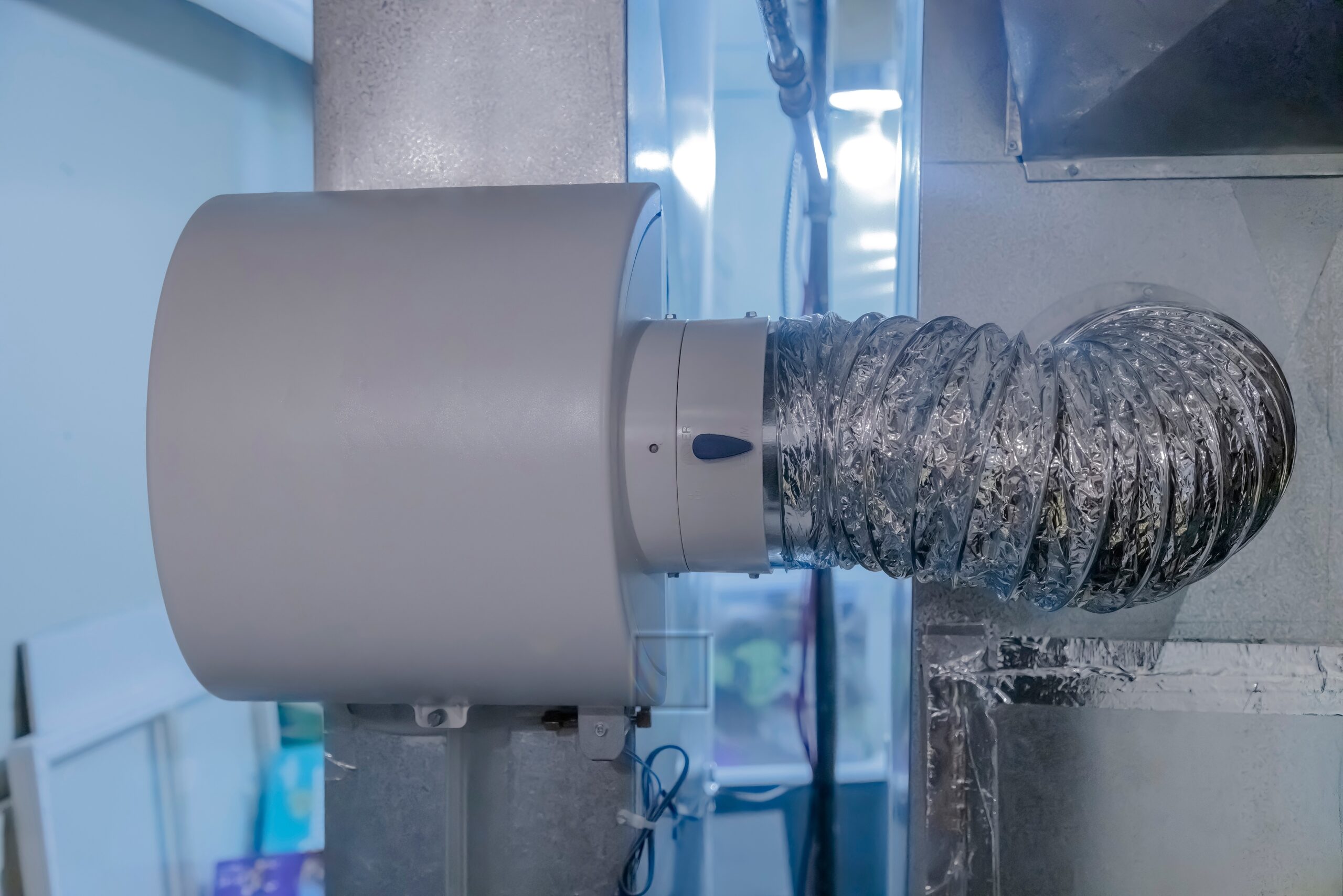
The humidifier attaches directly to your home’s HVAC ductwork. It uses the airflow from your furnace or air conditioner to spread moisture. This ensures even distribution of humidity throughout the house.
- Bypass Humidifiers: Use the furnace’s air pressure to move air through a water panel.
- Fan-Powered Humidifiers: Have a built-in fan to blow air through the water panel.
- Steam Humidifiers: Create steam to add moisture directly to the air supply.
Benefits Of A Whole House Humidifier
- Improves indoor air quality and comfort.
- Protects wood floors, furniture, and paint.
- Reduces static electricity in the home.
- Helps relieve cold and allergy symptoms.
Types Of Whole House Humidifiers
Whole house humidifiers add moisture to your entire home through your HVAC system. Different types use unique methods to achieve this. Understanding these Humidifiers types helps you choose the best fit for your needs and home setup.
Bypass Humidifiers
Bypass humidifiers connect to your home’s ductwork. They use warm air from the furnace to evaporate water. Air passes through a water panel, picking up moisture. The humidified air then returns to your home’s ducts. These units rely on your furnace fan to move air. They are energy-efficient but depend on the furnace running.
Fan-powered Humidifiers
Fan-powered humidifiers have a built-in fan to push air over the water panel. This creates more moisture than bypass models. They work even when the furnace fan is off. The fan forces warm air through the water, adding humidity quickly. These units cost more but provide faster humidification.
Steam Humidifiers
Steam humidifiers boil water to create steam. This steam is then released into the home’s air supply. They can humidify large spaces effectively. Steam models work independently of the furnace heat. They offer precise humidity control but use more electricity. These are ideal for very dry climates or large homes.
Key Components Of Humidifiers
A whole house humidifier includes a water panel, fan, and control valve. It adds moisture by blowing air through a wet filter. This helps keep the air inside your home comfortable and healthy.
Understanding the key components of a whole house humidifier can give you insight into how these devices work to maintain comfortable humidity levels in your home. Each part plays a vital role in ensuring your living space remains pleasant and healthy. Let’s break down the essential components to see how they contribute to the overall functionality.
Water Supply System
The water supply system is the backbone of any whole house humidifier. It taps directly into your home’s plumbing to deliver a consistent flow of water. This ensures that your humidifier never runs dry, allowing it to operate efficiently day and night. Imagine the convenience of not having to refill a tank constantly. The water supply system takes that worry off your plate, making your life a little bit easier. It’s a seamless process that keeps everything running smoothly without constant supervision.
Evaporator Pads
Evaporator pads are where the magic happens. These pads absorb water from the supply system and allow air to pass through them. As the air moves, it picks up moisture from the pads, effectively humidifying your home. Think of them as the heart of your humidifier, silently working to transform dry air into a comfortable, breathable environment. Regular maintenance, like cleaning or replacing these pads, can ensure they perform at their best. It’s a small task that can make a big difference in air quality.
Control Sensors
Control sensors are your humidifier’s brain. They monitor the humidity levels in your home and adjust the operation accordingly. This means your home maintains the ideal humidity level without you lifting a finger. These sensors can be a game-changer, especially during seasonal transitions. Ever notice how the air feels different in winter compared to summer? The control sensors do too, and they adjust the humidifier settings to keep your home comfortable throughout the year. Have you ever thought about how these components work together to improve your home’s air quality? Understanding these elements can help you appreciate the technology that quietly enhances your everyday life.
How Humidifiers Add Moisture
Understanding how a whole house humidifier adds moisture can change the way you manage your home’s air quality. These systems don’t just sprinkle water into the air—they use specific techniques to ensure the moisture spreads evenly and effectively. Let’s look closely at the main ways humidifiers put moisture back into your living space.
Evaporation Process
One common way whole house humidifiers add moisture is through evaporation. Water passes over a wick or filter, which holds the water like a sponge. As dry air flows over this wet surface, it picks up moisture naturally and carries it through your home’s ductwork.
This process is energy-efficient because it uses the natural tendency of air to absorb water vapor. Have you ever noticed how your bathroom feels humid after a hot shower? That’s evaporation in action, just on a smaller scale.
Steam Generation
Some humidifiers use steam to add moisture. They heat water until it turns into steam, which is then pushed into the air system. This method quickly raises humidity levels and is very effective during extremely dry conditions.
Steam humidifiers can be more precise in controlling moisture. However, they do use more energy because of the heating element. Think about how a kettle boils water fast—steam humidifiers work similarly but on a larger scale for your whole house.
Airflow Integration
Airflow plays a key role in how the moisture spreads throughout your home. Whole house humidifiers are connected to your HVAC system, so they use the existing air circulation to distribute moisture evenly. This integration means every room benefits without needing separate units.
When your furnace or air conditioner runs, it pushes air through the humidifier, picking up moisture and carrying it through ducts. This seamless blend of airflow and moisture addition keeps your home comfortable without extra effort on your part. How well does your current system move air around your home?
Benefits Of Whole House Humidifiers
Whole house humidifiers offer many benefits beyond simply adding moisture to the air. They help maintain a balanced humidity level throughout your home. This improves comfort and protects your living space in several important ways.
Improved Indoor Air Quality
Whole house humidifiers add moisture evenly to the air. This prevents dryness that can cause irritation in the nose and throat. Proper humidity levels reduce airborne dust and allergens. This creates a cleaner, fresher indoor environment. It also helps reduce static electricity, making your home more comfortable.
Health Advantages
Humidified air supports better breathing and skin health. It helps soothe dry skin, lips, and eyes. Moist air can ease cold and allergy symptoms. It may reduce the risk of respiratory infections. Maintaining proper humidity can improve sleep quality as well. It creates a healthier atmosphere for everyone in the home.
Protection For Wood And Furniture
Wood floors, furniture, and musical instruments need moisture to stay intact. Dry air causes wood to crack, warp, or shrink. A whole house humidifier keeps wood items stable and durable. It preserves the appearance and lifespan of your belongings. Proper humidity also protects wallpaper and paint from damage.

Credit: hvac-group.com
Maintenance And Care Tips
Proper maintenance keeps a whole house humidifier working well and lasting longer. Regular care stops problems before they start. Simple tasks can prevent damage and keep air healthy.
Cleaning Schedule
Clean the humidifier every 1 to 3 months. Dust and mineral buildup reduce its performance. Wipe the water panel or pad with a soft cloth. Use mild soap and water to remove deposits. Rinse parts fully to avoid residue. Dry all parts before reassembling.
Replacing Parts
Change the humidifier pad or filter once a year or sooner. Worn pads lower moisture output and invite bacteria. Check for cracks or mineral buildup regularly. Replace any parts showing damage or stiffness. Use parts recommended by the manufacturer for best results.
Preventing Mold And Bacteria
Use distilled or filtered water to reduce mineral deposits. Empty the water tray daily to stop standing water. Keep the area around the humidifier dry and clean. Use a disinfectant safe for humidifiers monthly. Ensure good airflow in the room to prevent mold growth.
Common Issues And Troubleshooting
Whole house humidifiers can make your home more comfortable, but sometimes they don’t work as expected. Understanding common issues and how to troubleshoot them can save you time and avoid costly repairs. Let’s look at some typical problems you might face and practical tips to fix them yourself.
Low Humidity Levels
If your humidifier isn’t raising the humidity, check the settings first. Sometimes the control dial or humidistat is set too low, so increasing it can help immediately.
Another cause could be a clogged water panel or filter. Over time, mineral deposits block water flow, reducing moisture output. Try replacing the filter regularly—every 1 to 3 months depending on use.
Have you noticed your furnace fan isn’t running often enough? The humidifier relies on the fan to distribute moisture. Setting your furnace fan to “auto” rather than “on” might limit humidity delivery. Switching it to “on” for a few hours can improve results.
Water Leaks
Leaks are a common headache and can damage your home if ignored. Start by inspecting the water supply line and connections for any loose fittings or cracks.
Sometimes, the drain line becomes clogged, causing water to back up and leak. Clearing the drain or replacing damaged tubing can fix this issue fast.
If you spot water pooling around the unit, check the humidifier’s internal water panel. A cracked or worn panel might let water escape. Replacing worn parts promptly prevents bigger problems.
Unusual Noises
Hearing strange sounds from your humidifier is often a sign something needs attention. Rattling or buzzing might mean loose parts or a failing fan motor.
Vibrations can also come from a misaligned or dirty water panel. Cleaning the panel and tightening screws usually quiets things down.
Have you ever had a humming noise that won’t stop? It could be electrical issues, so be cautious and consider calling a professional if you’re unsure. Your safety comes first.

Credit: hvac-group.com
Energy Efficiency And Cost Considerations
Energy efficiency plays a key role in choosing a whole house humidifier. These systems use power to add moisture to the air, which affects your utility bills. Understanding the cost factors helps you manage expenses while keeping your home comfortable.
Humidifiers that run efficiently consume less electricity and water. This saves money over time and reduces environmental impact. Being aware of energy use leads to smarter choices for your home.
Operating Costs
The main operating costs include electricity and water use. Most whole house humidifiers connect to your HVAC system and use the furnace fan to spread moisture. This means the fan might run longer, increasing power consumption.
Water usage varies by model and humidity settings. Some use evaporative technology that consumes less water. Others rely on steam, which can increase energy bills due to heating water.
- Electricity for fan operation and water heating
- Water consumption depending on humidifier type
- Maintenance costs, such as filter replacements
Energy Saving Tips
Set the humidistat at a moderate level, around 40-50%. This balance keeps air moist without wasting energy. Turn the humidifier off during warmer months when humidity is higher.
Seal leaks in your home to keep moisture inside. Use a programmable thermostat to control the HVAC fan efficiently. Regular maintenance keeps the system working well and prevents extra energy use.
- Adjust humidity to comfortable but not excessive levels
- Seal doors and windows to retain moisture
- Maintain the humidifier and HVAC system regularly
- Use a programmable thermostat for better control
Choosing The Right Model
Selecting an energy-efficient model cuts costs and improves comfort. Look for units with Energy Star ratings or those designed for low power consumption. Consider models with automatic sensors that adjust humidity levels.
Whole house humidifiers come in different types, such as bypass, fan-powered, and steam. Each has different energy needs and installation costs. Match the humidifier type with your home’s size and HVAC system for best results.
| Humidifier Type | Energy Use | Best For |
|---|---|---|
| Bypass | Low | Homes with central HVAC and moderate humidity needs |
| Fan-Powered | Medium | Larger homes needing faster humidity control |
| Steam | High | Homes requiring precise humidity and quick response |
Frequently Asked Questions
How Does A Whole House Humidifier Add Moisture?
A whole house humidifier adds moisture by releasing water vapor into your HVAC system. It distributes humidified air evenly throughout your home. This helps maintain comfortable humidity levels and prevents dry air problems.
What Are The Main Types Of Whole House Humidifiers?
The main types include bypass, fan-powered, and steam humidifiers. Each type connects differently to your HVAC system. They vary in water delivery and energy use, catering to different home needs.
How Does A Humidistat Control Humidity Levels?
A humidistat measures indoor humidity and signals the humidifier to adjust output. It maintains desired humidity by turning the humidifier on or off. This prevents over-humidification and keeps air comfortable.
Can A Whole House Humidifier Improve Health?
Yes, it helps prevent dry skin, respiratory issues, and static electricity. Proper humidity reduces flu virus spread and eases allergy symptoms. It creates a healthier indoor environment overall.
Conclusion
A whole house humidifier adds moisture to dry air inside your home. It works by connecting to your heating system and releasing water vapor. This helps keep your skin, plants, and furniture healthy. You breathe easier and feel more comfortable in every room.
Regular use can reduce static and protect wood floors. Simple to install and maintain, it makes winter months less harsh. Understanding how it works helps you decide if it fits your needs. A humidifier brings balance to your home’s air all year long.


