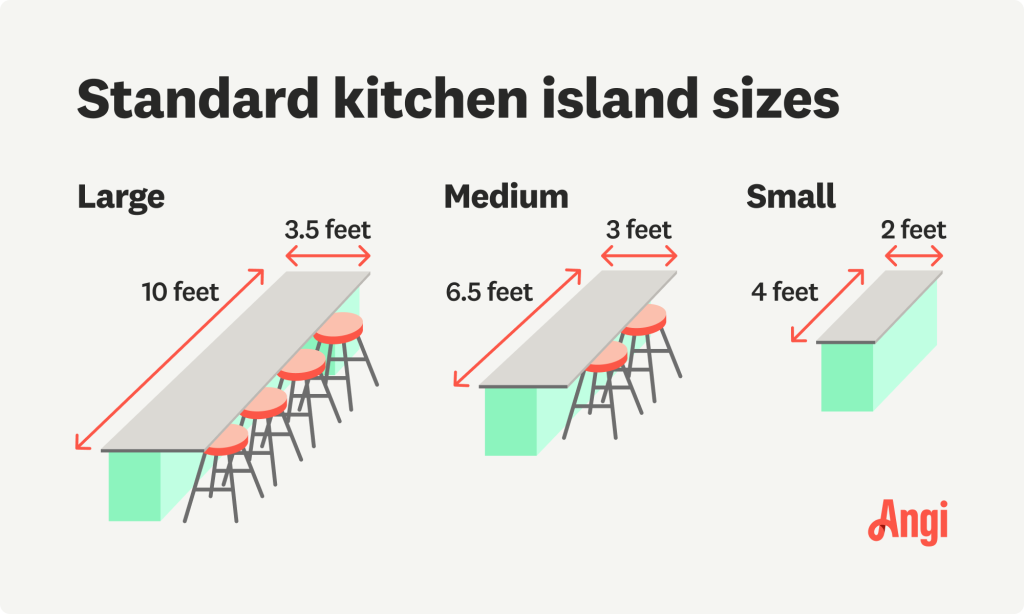
Are you in the process of designing your dream kitchen and wondering just how much overhang your kitchen island should have? You’re not alone.
Many homeowners find themselves puzzled by this seemingly small detail that can make a big difference in both functionality and style. The right overhang can transform your kitchen island into a versatile hub, perfect for dining, socializing, and even work.
But get it wrong, and you might end up with something that’s either uncomfortable or impractical. We’ll uncover the secrets to getting the perfect overhang for your kitchen island, helping you create a space that’s not only stunning but also incredibly functional. Stick around, and by the end, you’ll have all the insights you need to make a decision you’ll be thrilled with.

Credit: www.facebook.com
Optimal Overhang Dimensions
Creating a kitchen island with the right overhang can transform your cooking space into a more functional and inviting area. The overhang is not just about aesthetics; it plays a crucial role in comfort and usability. Whether you’re planning to host friends or simply enjoy a quiet meal, understanding the optimal overhang dimensions is key. Let’s dive into what makes the perfect overhang for your kitchen island.
Standard Measurements
Standard kitchen island overhangs usually range between 12 to 18 inches. This dimension is widely accepted because it provides enough space for seating while ensuring stability. Think of it as the sweet spot where design meets practicality. You wouldn’t want your guests to feel cramped, nor would you want the island to appear bulky.
The 12 to 18-inch overhang allows for comfortable legroom, preventing knees from hitting the island’s base. It’s also manageable for most countertop materials, reducing the risk of stress or damage. When you’re planning your kitchen, consider how you use the space daily. This standard range often fits most needs perfectly.
Adjustments For Comfort
While standard measurements work for many, adjustments might be necessary for ultimate comfort. If your family is taller, you might want to extend the overhang slightly. Adding a few extra inches can make a significant difference in comfort and usability.
Think about the stools you plan to use. Their height and design can influence how much overhang you need. Are you the type who spends hours chatting over coffee at the island? If so, prioritize comfort by customizing the overhang to suit your lifestyle.
Consider the traffic flow around the island. A wider overhang might require more space to avoid congestion. Picture your kitchen on a busy morning or during a holiday gathering. Would a longer overhang provide more seating without cramping the area?
Ultimately, the perfect overhang dimension balances aesthetics with everyday functionality. It’s about creating a space where you feel at ease, whether cooking, socializing, or relaxing. What changes could make your kitchen island more inviting?

Credit: www.facebook.com
Factors Affecting Overhang Length
Determining the ideal overhang length for a kitchen island involves considering seating comfort and space. Adequate legroom is crucial for ensuring diners feel at ease. Additionally, balancing functionality with aesthetic appeal enhances the overall kitchen design.
Factors affecting the overhang length of a kitchen island are essential considerations. They ensure functionality, comfort, and aesthetics in your kitchen design. Understanding these factors helps create an efficient and user-friendly space.
Purpose Of The Island
The island’s purpose directly influences its overhang length. A kitchen island can serve multiple roles. It might be for meal preparation, dining, or socializing. If the island is for dining, a longer overhang is ideal. This allows for comfortable seating with enough legroom. For a prep-focused island, a shorter overhang may suffice.
Space Availability
Available space is crucial in determining overhang length. A spacious kitchen offers more flexibility for a larger overhang. It creates an inviting area for guests or family members. In smaller kitchens, balance is key. Ensure the overhang doesn’t hinder movement or make the space feel cramped.
User Height And Seating
Consider the height of users and type of seating. Taller individuals might need more legroom under the overhang. Bar stools require more space than standard chairs. Adjust the overhang to accommodate these differences. It ensures everyone enjoys a comfortable experience at the island.
Materials And Support Considerations
Determining the right overhang for a kitchen island requires careful planning. Consider the island’s materials and support structures. Ensure stability with proper brackets or supports for larger overhangs.
When designing a kitchen island, understanding the materials and support considerations for the overhang is crucial. The right combination of materials and structural support ensures both functionality and safety. Whether you’re envisioning a chic breakfast bar or extra workspace, getting these details right can transform your kitchen’s heart into a practical and aesthetic masterpiece.
Countertop Materials
The choice of countertop material significantly impacts the amount of overhang your kitchen island can support. Heavier materials like granite, quartz, and marble are popular for their durability and luxurious appeal. However, they require more substantial support due to their weight. In contrast, lighter materials like laminate or wood may allow for more flexibility in overhang design. Consider the maintenance each material requires. For instance, granite needs regular sealing, while laminate is relatively low maintenance but less heat resistant.
Structural Support Needs
Proper structural support is essential to prevent the countertop from sagging or cracking. Brackets, corbels, and posts are common support solutions. The choice depends on the countertop material and the desired overhang length. For overhangs exceeding 12 inches, additional support is typically necessary. Imagine the embarrassment of a family dinner ruined by an unstable countertop. Always ensure your support solutions are both functional and match the island’s aesthetic. Consider consulting with a professional to assess the necessary support for your specific needs. Each kitchen is unique, and an expert can guide you in making the best choice for your design and lifestyle.
Design And Aesthetic Elements
The design and aesthetic elements of a kitchen island overhang play a crucial role in enhancing the overall appeal of your kitchen space. An overhang not only serves a practical purpose but also contributes significantly to the style and ambiance. Thoughtful design choices can transform an ordinary kitchen island into a stunning centerpiece.
Balancing Style And Function
Achieving the right balance between style and function is key. A well-designed overhang should offer enough space for seating while maintaining a sleek appearance. Consider the proportions of your kitchen. An overhang that is too large can overwhelm the space, whereas a smaller one might lack functionality. Aim for harmony between the island and surrounding elements.
Materials play a big role in balancing style. Choose durable yet stylish options like quartz or granite. These materials offer a timeless look. Lighting above the island can accentuate its design. Pendant lights are popular for adding elegance and brightness. They should complement the island’s style and finish.
Incorporating Design Trends
Incorporating current design trends can refresh your kitchen’s look. Minimalist designs are in vogue, favoring clean lines and uncluttered spaces. Opt for a simple yet elegant overhang design. This enhances the modern aesthetic while providing functional seating.
Open shelving under the overhang is a trendy choice. It adds visual interest and offers storage space. Consider using mixed materials like wood and metal for a contemporary feel. Mixing textures adds depth and character to the island.
Color choices can impact the island’s visual appeal. Neutral tones create a soothing atmosphere, while bold colors make a striking statement. Choose hues that complement your kitchen’s palette. This ensures a cohesive and inviting space.
Safety And Usability Tips
Designing a kitchen island involves more than aesthetics. The overhang must balance style with safety and usability. Here are tips to keep your kitchen both functional and safe.
Ensuring Stability
A stable kitchen island is essential. Support brackets or corbels can help. They prevent the overhang from sagging over time. Check that the island’s base is sturdy. It should handle the weight of the countertop and any added pressure. The right materials matter. Choose strong, durable options for the countertop to ensure longevity.
Avoiding Common Mistakes
Many make the mistake of ignoring weight distribution. Uneven weight can cause tipping or damage. Always balance the weight. Consider the activities planned for your island. Cooking, dining, or working may require different overhang lengths. Plan accordingly. Another common error is neglecting seating space. Make sure there is enough room for knees under the overhang. Aim for at least 12 inches of clear space for comfort.
Expert Advice And Recommendations
Kitchen islands are the heart of modern kitchens. They offer space for cooking, dining, and socializing. Choosing the right overhang for your kitchen island is crucial. It impacts both functionality and aesthetics. Experts offer valuable insights to guide your decision. Let’s explore their advice on achieving the perfect overhang.
Insights From Kitchen Designers
Kitchen designers suggest focusing on balance and proportion. They recommend an overhang of 12 to 15 inches. This provides ample space for seating. It ensures comfort while maintaining visual appeal. Designers stress considering the overall kitchen layout. The island should complement existing countertops and cabinetry.
Materials also play a role in overhang decisions. Designers advise using durable materials for support. Granite and quartz are popular choices. They offer strength and style. Ensure proper support underneath the overhang. This prevents sagging and adds safety.
Tips From Homeowners
Homeowners often share practical experiences. Many find a 12-inch overhang suitable for everyday use. It accommodates stools without crowding the space. A larger overhang might be ideal for families who entertain often.
Consider the height of your seating. Homeowners suggest adjusting the overhang to match stool height. This enhances comfort and usability. Some prefer adjustable seating for flexibility. It adapts to different activities and guests.
Personal needs should guide your decision. Homeowners emphasize testing different overhang sizes. Create a mock setup before finalizing. This helps visualize the space and functionality. Tailor the overhang to suit your lifestyle and kitchen dynamics.
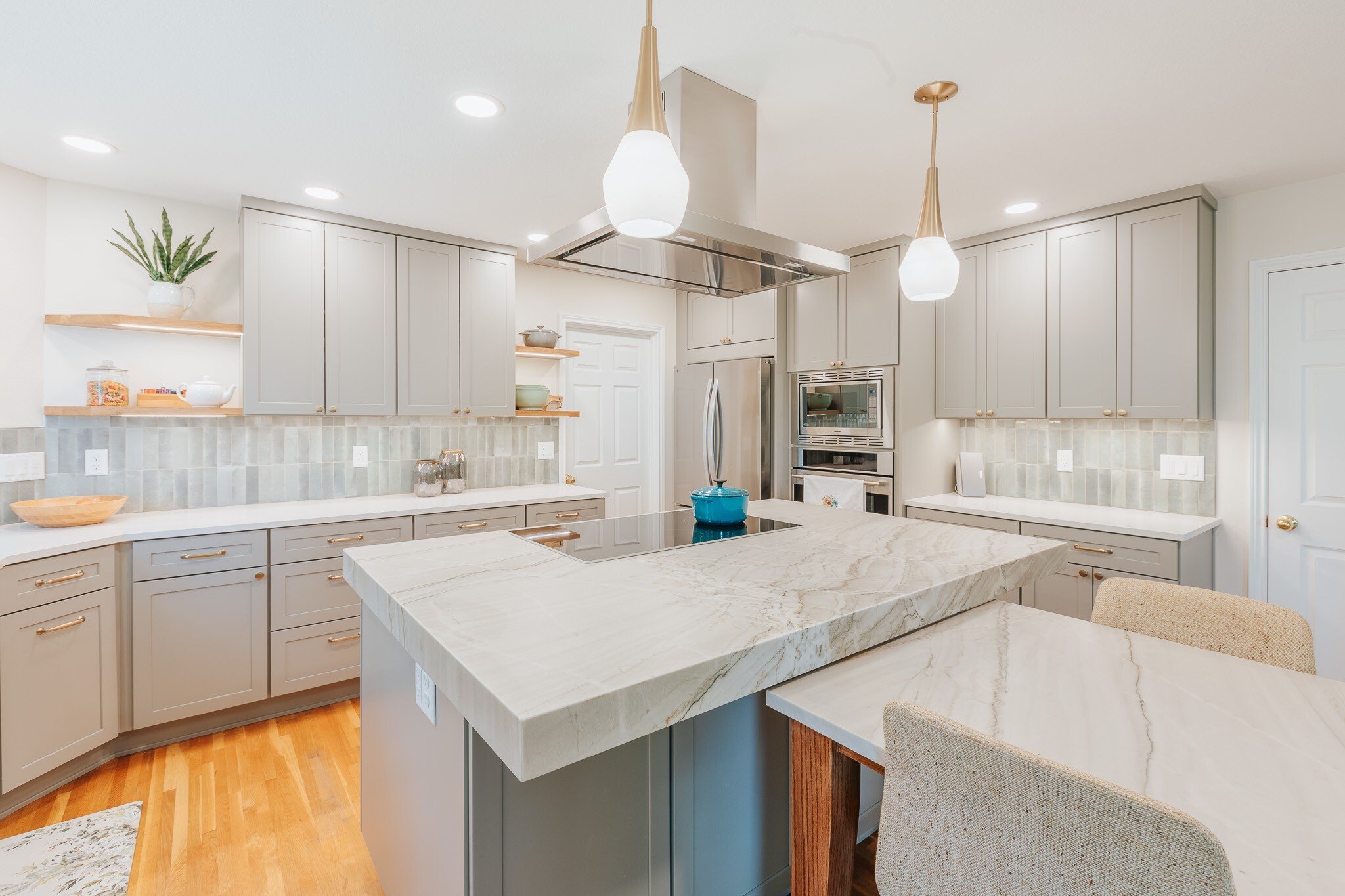
Credit: www.lamontbros.com
Frequently Asked Questions
Should A 10 Or 12 Inch Island Overhang?
A 10 or 12 inch island overhang provides comfortable seating and ample legroom for casual dining. This size is ideal for kitchen islands and enhances functionality while maintaining a sleek design. Ensure adequate support underneath for safety and stability.
What Is The Standard Overhang For A Kitchen Island?
The standard overhang for a kitchen island ranges from 12 to 15 inches. This provides adequate legroom and seating space. Adjust the overhang according to the island’s use and available space. Always consult with a professional to ensure structural support for the overhang.
Is 8 Inches Enough For Island Overhang?
An 8-inch overhang is generally sufficient for casual seating at a kitchen island. For comfort, aim for 12 inches.
How Much Overhang Should I Have On My Island?
Island overhangs should be 12 to 18 inches for seating comfort. This allows legroom without compromising space. Ensure sturdy support for extended overhangs to prevent sagging. Adjust based on stool height and kitchen layout. Proper overhang enhances functionality and aesthetics.
Conclusion
Choosing the right overhang for your kitchen island is important. It impacts both design and functionality. A standard overhang suits most needs. But, personal preference matters too. Consider your space and usage. This ensures comfort and style. Measure carefully to avoid mistakes.
Consult professionals if needed. A balanced overhang enhances your kitchen’s appeal. It offers seating and workspace. Think about your family’s needs. Make sure everyone can use the island comfortably. A well-planned overhang improves kitchen utility. It also adds a touch of elegance.
Remember, every detail counts.


