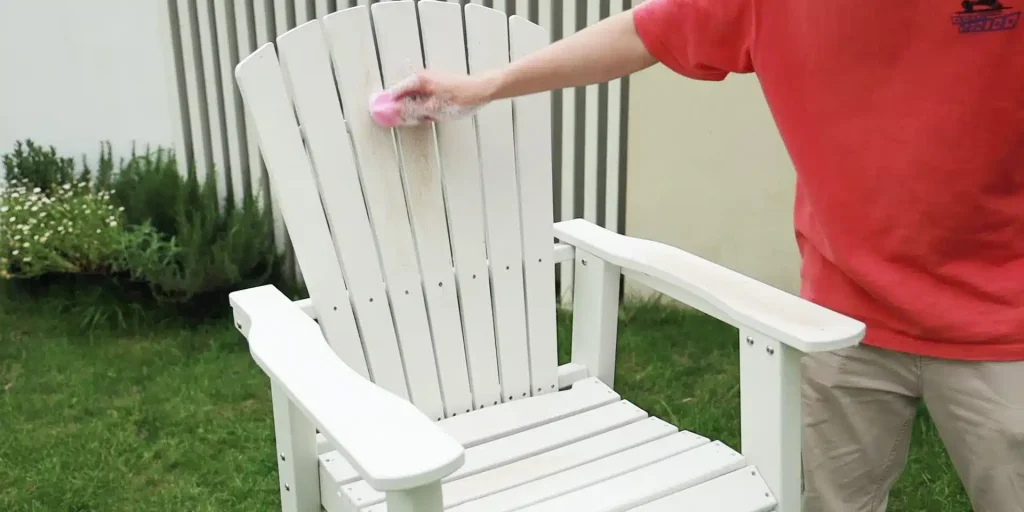
Have you ever noticed how your plastic outdoor furniture can lose its charm over time? Dust, dirt, and those pesky stains have a way of sneaking in, making your once vibrant pieces look dull and tired.
But imagine stepping into your backyard to find your furniture looking as good as new, inviting you to sit back and relax. Sounds appealing, right? In this guide, we’ll show you the simplest, most effective methods to clean your plastic outdoor furniture, ensuring it stays in top shape for those sunny gatherings.
You’ll discover tips that are not only easy to follow but also surprisingly quick, so you can spend more time enjoying your outdoor space rather than cleaning it. Dive in and learn how to revive your furniture’s shine effortlessly!
Credit: serwalloutdoor.com
Preparation Steps
Gather mild soap, a soft cloth, and a bucket of warm water. Remove loose debris from furniture surface. Use the soapy water to gently clean, then rinse thoroughly with fresh water.
Cleaning your plastic outdoor furniture can be a breeze with the right preparation steps. Before diving into the cleaning process, it’s essential to lay a solid foundation by getting everything ready. Proper preparation ensures that you tackle the task efficiently and avoid any mishaps or damage to your furniture. So, let’s get started on setting up for a successful cleaning session!
Gather Cleaning Supplies
Begin by gathering all necessary cleaning supplies. It’s helpful to have everything within reach to avoid interruptions. You’ll need a bucket, mild detergent, a soft sponge or cloth, a garden hose, and a soft-bristle brush. If your furniture has stubborn stains, consider having some white vinegar or baking soda on hand. You might be surprised how often people overlook this step, only to realize halfway through that they’re missing something crucial. Double-check your list to save time and keep the process smooth.
Inspect Furniture Condition
Before cleaning, take a few moments to inspect the condition of your furniture. Look for any cracks, discoloration, or areas that might need extra attention. This assessment helps you determine the right cleaning approach and whether any repairs are needed. Ask yourself: Is there a specific spot that always seems to collect grime? Noticing these details can help you focus your efforts where they’re most needed. Additionally, checking for damage beforehand can prevent worsening the issue during cleaning. This step is your opportunity to catch any potential problems early.
Credit: serwalloutdoor.com
Basic Cleaning Methods
Cleaning plastic outdoor furniture is essential for maintaining its beauty. Basic cleaning methods can refresh your furniture and extend its life. Two effective techniques involve using simple household items.
Using Soap And Water
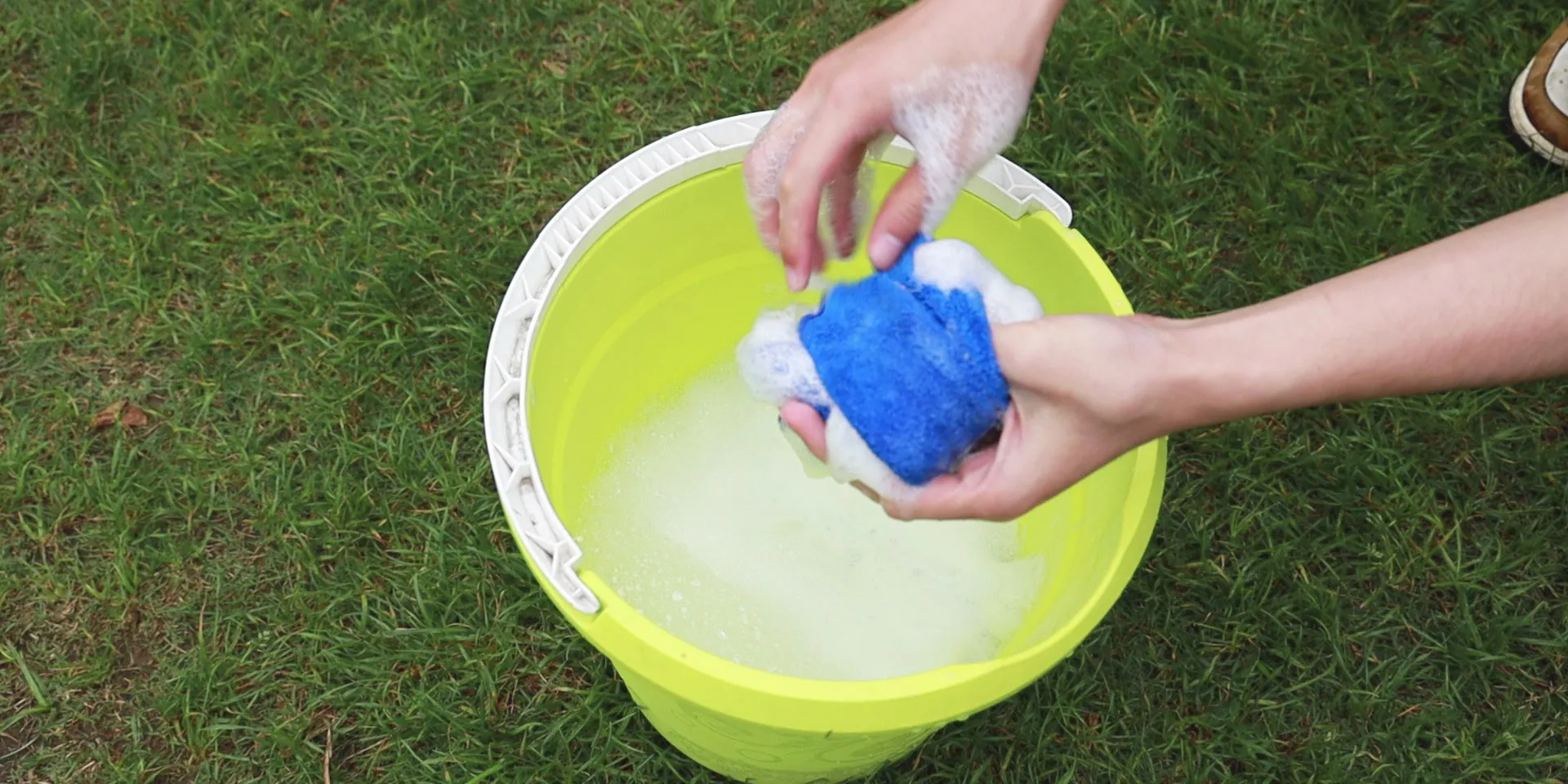
Start with a bucket of warm water. Add a few drops of mild dish soap. Use a soft cloth or sponge. Gently scrub the furniture surface. Focus on any visible stains or dirt. Rinse with clean water. Ensure no soap residue remains. Dry the furniture with a towel. This prevents water spots and streaks.
Applying Vinegar Solution
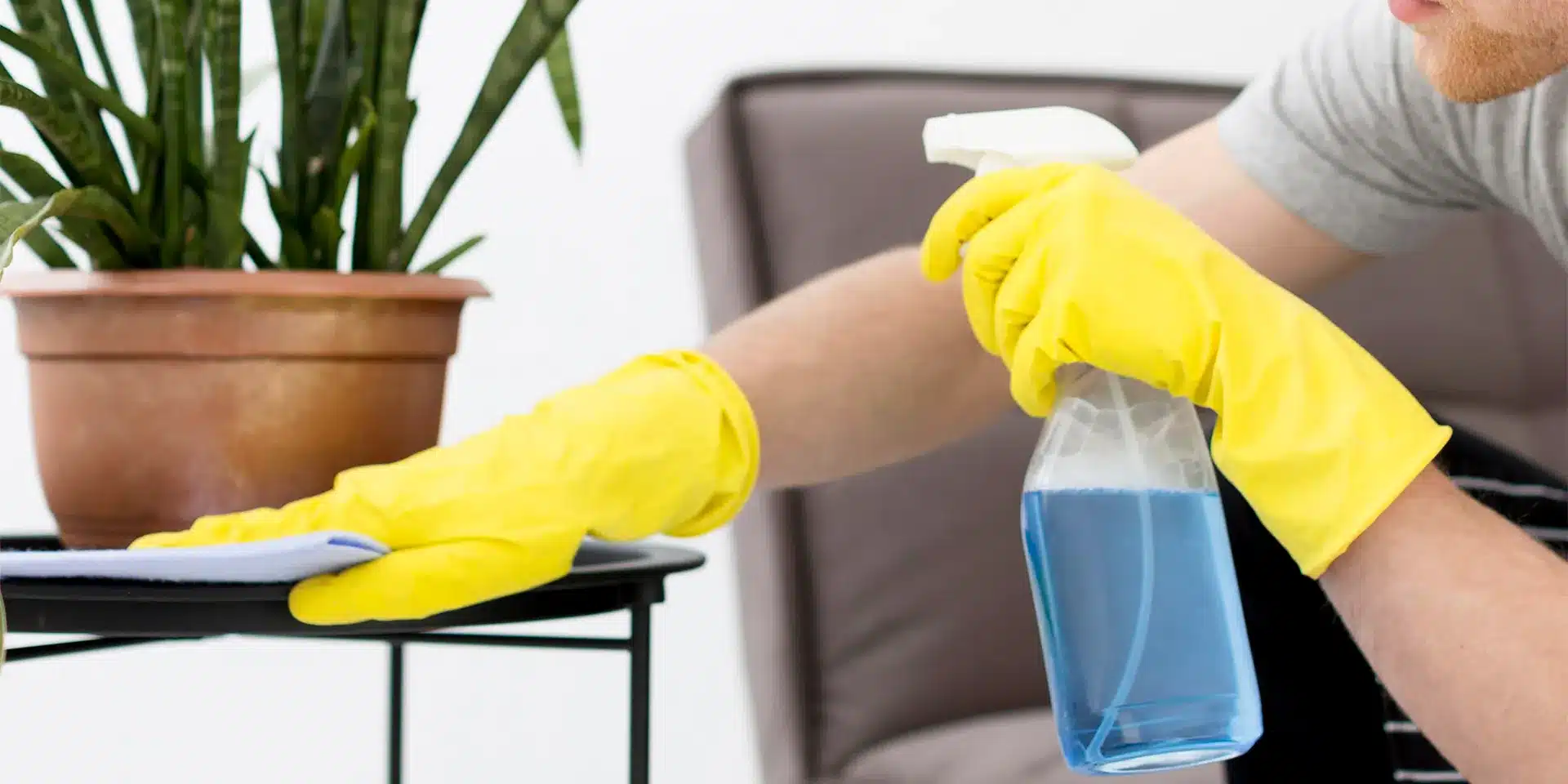
Mix equal parts of vinegar and water. Pour the solution into a spray bottle. Spray onto the furniture, covering all areas. Let it sit for 10 minutes. This helps break down grime and mold. Wipe with a clean cloth. Rinse with water to remove the solution. Dry thoroughly to prevent mildew formation.
Handling Tough Stains
Tough stains on plastic outdoor furniture require a mix of warm water and mild detergent. Scrub gently with a soft brush to avoid scratches. Rinse thoroughly to remove all soap residue for a clean finish.
Handling tough stains on plastic outdoor furniture requires special care. These stains can ruin the appearance of your furniture. Simple cleaning methods often aren’t enough. Below, you’ll find specific methods to tackle difficult stains effectively.
Removing Mold And Mildew
Mold and mildew can make furniture look old and dirty. Begin by mixing water and white vinegar in equal parts. This solution is gentle yet powerful. Use a spray bottle to apply it to the affected areas. Let it sit for 15 minutes. Scrub with a soft brush to remove the mold. Rinse with clean water and let dry in the sun. The sun’s UV rays help kill any leftover spores.
Dealing With Grease Stains
Grease stains are stubborn and need special attention. Start with dish soap and warm water. This breaks down the grease effectively. Apply the soapy water with a cloth and rub gently. If the stain persists, use baking soda. Sprinkle it over the stain and let it sit for 10 minutes. Scrub with a damp cloth to lift the grease. Rinse thoroughly and dry with a towel. This ensures no residue remains.
Protecting Furniture
Outdoor plastic furniture needs regular cleaning to stay in good condition. Use warm water and mild soap to remove dirt. Rinse thoroughly and let it dry under the sun to prevent mildew.
Protecting plastic outdoor furniture extends its life and keeps it looking fresh. Sunlight, rain, and dust can damage furniture over time. With a few simple steps, you can shield it from harm. Below, you’ll find practical tips for UV protection and regular maintenance.
Uv Protection Tips
Sunlight can fade and weaken plastic furniture. To combat this, consider these tips:
- Use UV-resistant covers to shield furniture from direct sunlight.
- Place furniture in shaded areas when possible.
- Apply a UV protectant spray for added defense.
Regular Maintenance Routine
Consistent care is key to preserving plastic furniture. Follow this routine for best results:
- Wipe down surfaces weekly with a damp cloth to remove dust.
- Clean with a mild soap solution monthly to tackle grime.
- Inspect for cracks or damages and repair promptly.
This approach helps maintain the beauty and durability of your outdoor pieces.
Alternative Cleaning Solutions
Cleaning plastic outdoor furniture can be easy with alternative solutions. Mix vinegar and water for a natural cleaner. Use a soft brush to scrub away dirt and rinse thoroughly.
Cleaning your plastic outdoor furniture doesn’t have to rely solely on harsh chemicals. Many alternative cleaning solutions can effectively restore your furniture’s shine while being gentle on the environment. Whether you’re a fan of eco-friendly products or prefer making your own cleaning recipes, there’s something here for everyone. Let’s dive into some refreshing alternatives that will make your furniture sparkle without compromising your values.
Eco-friendly Options
Choosing eco-friendly cleaning products can greatly reduce your carbon footprint. These products often contain natural ingredients that are biodegradable and non-toxic. Brands like Seventh Generation and Method offer environmentally safe cleaners that work wonders on plastic surfaces. Consider using a mixture of vinegar and water as a simple yet effective cleaner. Vinegar is a natural disinfectant and can easily cut through grime and mildew. Just mix equal parts of vinegar and water in a spray bottle, spritz it on the furniture, and wipe it down with a cloth. Baking soda is another great eco-friendly option. Create a paste with water and baking soda to tackle stubborn stains. Apply the paste to the affected area, let it sit for a few minutes, and then scrub it off with a brush.
Diy Cleaning Recipes
Creating your own cleaning solutions can be a fun and rewarding process. It allows you to customize the ingredients to suit your needs and preferences. Plus, most DIY recipes use items you probably already have in your kitchen. For a simple yet powerful cleaner, mix 1 cup of warm water, 1 tablespoon of dish soap, and a quarter cup of vinegar. This combination works well to remove dirt and stains from plastic surfaces. Spray or apply the mixture with a sponge, scrub lightly, and rinse with clean water. Another effective DIY recipe involves using lemon juice. Combine lemon juice with a bit of salt to create a mild abrasive cleaner. This is perfect for brightening up faded plastic furniture. Just apply, scrub gently, and rinse thoroughly. Have you ever tried using tea tree oil? Adding a few drops to your cleaning mixture can add an antibacterial boost. It’s a natural way to ensure your furniture is not just clean, but also sanitized. By using these alternative cleaning solutions, you can maintain your outdoor furniture without relying on harmful chemicals. Which method will you try next?

Credit: serwalloutdoor.com
Frequently Asked Questions
What Can I Use To Clean My Plastic Outdoor Furniture?
Use mild dish soap, warm water, and a soft cloth to clean plastic outdoor furniture. For stubborn stains, mix vinegar and water. Rinse thoroughly with water and dry with a soft towel. Avoid harsh chemicals and abrasive cleaners to prevent damage.
Regular cleaning maintains the furniture’s appearance and durability.
How To Make Plastic Outdoor Furniture Look New Again?
Clean furniture with mild soap and water. Use a soft brush to remove grime. Apply plastic restorer or spray paint designed for plastics. Protect with UV-resistant spray. Regular maintenance ensures longevity and freshness.
Can You Use Dawn To Clean Outdoor Furniture?
Yes, Dawn can clean outdoor furniture effectively. Mix with water, scrub gently, and rinse thoroughly for best results. Dawn removes dirt and stains without harming surfaces, making it ideal for various materials. Always test a small area first to ensure compatibility with your furniture’s material.
How To Clean Old Foggy Plastic?
Clean old foggy plastic with a mixture of baking soda and water. Apply the paste, scrub gently, then rinse. Alternatively, use white vinegar on a cloth and rub the plastic. Finish by drying with a soft, clean towel for clear results.
Conclusion
Maintaining your plastic outdoor furniture is simple and rewarding. Regular cleaning keeps it looking fresh and prolongs its life. Start by removing loose dirt with a brush. Use a mild soap solution for deeper cleaning. Rinse thoroughly with water to remove soap residue.
Dry with a soft cloth to prevent water spots. Avoid harsh chemicals; they can damage the material. Follow these easy steps regularly. Your furniture will stay clean and inviting. Perfect for outdoor gatherings and relaxation. Enjoy your beautiful outdoor space all year round.
Keep it clean. Keep it welcoming.


