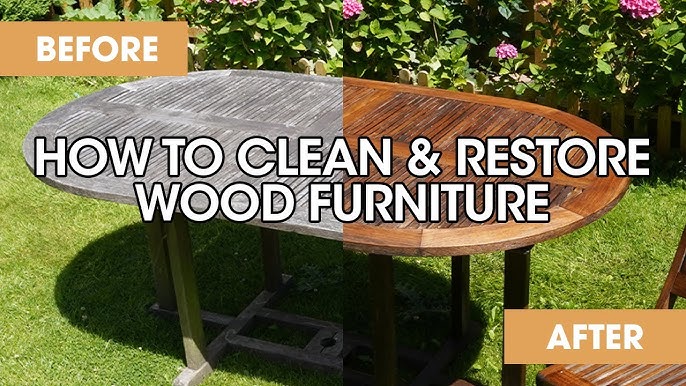
Imagine stepping into your backyard and being greeted by the warm, inviting charm of wooden furniture that looks as stunning as the day you bought it. Your outdoor space, whether it’s a patio or garden, is an extension of your home, a place where memories are made and relaxation is found.
However, the elements can take a toll on wooden furniture, leaving it looking tired and worn. But don’t worry—restoring your wooden outdoor furniture to its former glory is easier than you might think. In this guide, you’ll discover simple and effective techniques to breathe new life into your cherished pieces.
Whether you’re dealing with faded colors, chipped varnish, or rough surfaces, you’ll learn how to tackle each challenge with confidence. Dive in and unlock the secrets to transforming your outdoor furniture, ensuring it remains a beautiful focal point in your outdoor haven. Your furniture deserves a makeover, and so does your outdoor space. Keep reading to find out how you can make it happen!
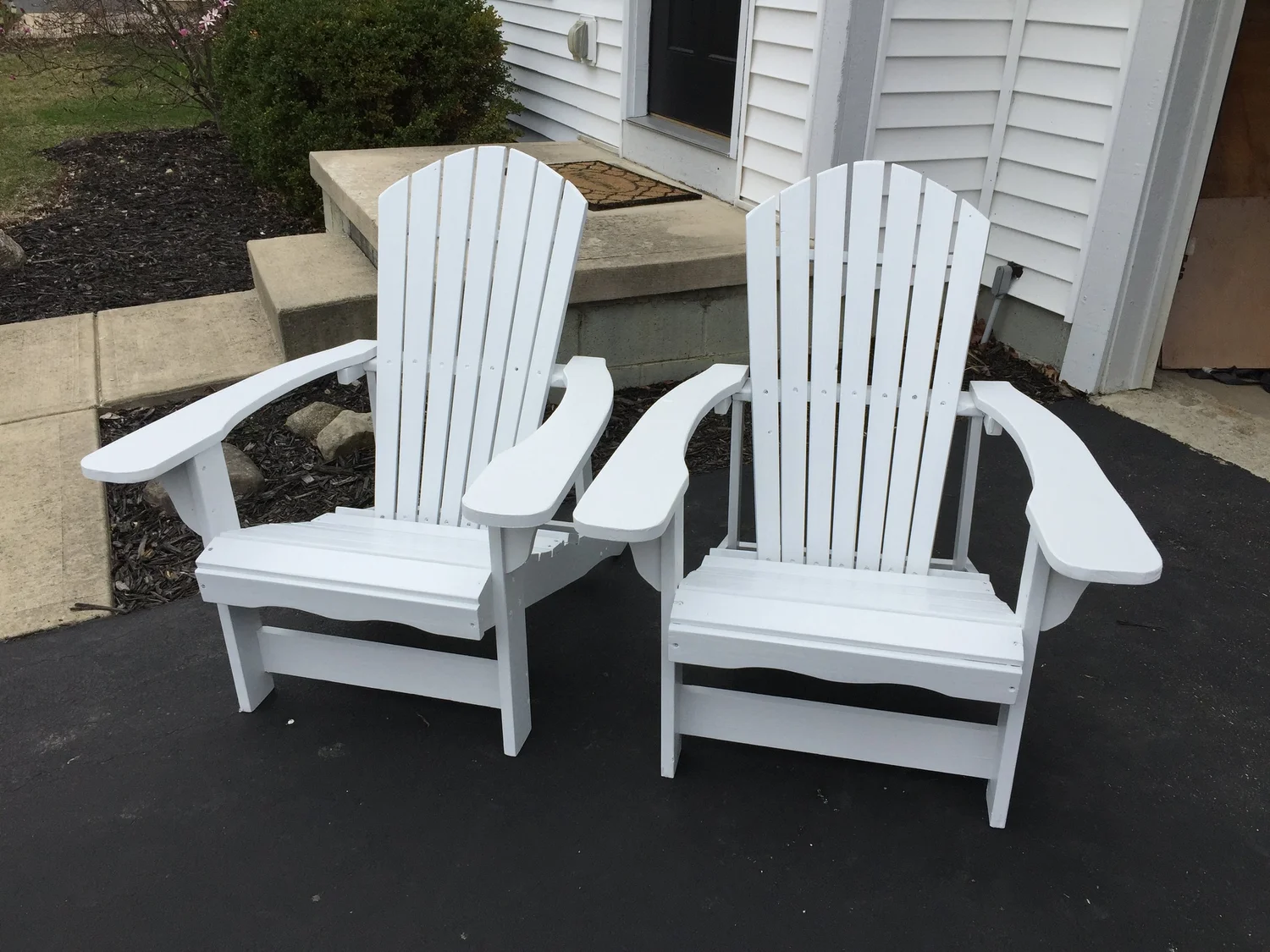
Credit: www.revivalwoods.com
Assessing Furniture Condition
Check for cracks, faded color, and loose joints. Sand away rough spots and apply wood preservative.
Assessing the condition of your wooden outdoor furniture is a crucial first step in any restoration project. Before diving into the restoration process, take a moment to evaluate what needs attention. This not only saves time but also ensures that you approach the task with the right tools and methods. You might be surprised at what you discover when you give your furniture a closer look.
Identifying Damage
Begin by examining the surface for visible damage. Look for signs of weathering like cracks, discoloration, or warping. These can often be attributed to prolonged exposure to sunlight or moisture. Check for any signs of mold or mildew, especially if your furniture has been stored in damp conditions. A simple wipe with a damp cloth can reveal hidden spots that need treatment. Don’t forget to inspect the finish. Is it chipped or peeling? A compromised finish can expose the wood to further damage, so identifying this early is key.
Checking Structural Integrity
The structural integrity of your furniture is just as important as its appearance. Start by gently shaking the furniture. Does it wobble or feel unstable? Loose joints might need tightening or reinforcing. Inspect screws, bolts, and nails. Are they rusty or missing? Replacing these can significantly enhance the stability of your furniture. Consider the weight-bearing parts. Are there any signs of wood rot or weakening? If you notice soft spots or areas that feel less sturdy, you might need to replace certain sections altogether. Remember, assessing the condition thoroughly now can prevent future headaches. What hidden issues have you uncovered during your inspection? Addressing these early on ensures your furniture not only looks great but remains functional for years to come.
Choosing The Right Tools
Selecting the correct tools is vital for restoring wooden outdoor furniture. Sandpaper and wood cleaner can help remove dirt and scratches. A good quality sealant provides protection against weather elements, ensuring longevity.
Choosing the right tools is key to restoring wooden outdoor furniture. The proper tools make the process easier and more efficient. They ensure the furniture looks its best. With the right equipment, you avoid unnecessary damage. Let’s explore the essential tools and safety equipment needed for this task.
Essential Tools
Restoring furniture requires specific tools. Here are the must-haves:
- Sandpaper:Choose different grits for rough and smooth sanding.
- Sanding block:Helps maintain even pressure while sanding.
- Paintbrushes:Use various sizes for detailed work.
- Wood cleaner:Removes dirt and old finishes effectively.
- Wood filler:Fills in cracks and holes in the wood.
- Putty knife:Spreads filler smoothly over the surface.
- Sealer or varnish:Protects the wood from weather damage.
These tools will help restore your furniture’s beauty and durability.
Safety Equipment
Safety is important in any restoration project. Equip yourself with these items:
- Gloves:Protect your hands from splinters and chemicals.
- Dust mask:Prevents inhalation of dust and fumes.
- Safety glasses:Shields your eyes from flying debris.
- Ear protection:Useful if using power tools.
These items ensure a safe and comfortable working environment. Always prioritize safety when restoring your furniture.
Cleaning Techniques
Restoring wooden outdoor furniture requires gentle cleaning and careful sanding. Use mild soap and water to remove dirt. Once dry, sand the surface lightly to reveal fresh wood. Apply a protective oil or sealant to enhance durability and shine. Regular maintenance ensures lasting beauty and functionality.
Restoring wooden outdoor furniture begins with effective cleaning techniques that bring life back to your cherished pieces. These techniques not only enhance appearance but also extend the furniture’s lifespan. Let’s dive into some practical ways to keep your wooden outdoor furniture looking its best.
Removing Dirt And Grime
The first step to rejuvenating your wooden furniture is removing surface dirt and grime. Start with a simple solution of warm water and mild dish soap. Use a soft-bristle brush to gently scrub the surface, ensuring you reach into the crevices. Rinsing off with a garden hose can be highly effective but avoid high-pressure settings as they might damage the wood. For delicate areas, use a damp cloth to wipe away residue. You’ll be surprised how much a basic clean can restore the natural luster. Consider a sunny day for this task, as natural sunlight helps in drying the furniture quickly. Does your outdoor space have shady spots? Utilize them for drying to avoid direct heat that might warp the wood.
Handling Stubborn Stains
Stubborn stains require a bit more effort but can be tackled effectively. Baking soda and water form a gentle abrasive paste perfect for tough spots. Apply it directly to the stain and scrub with a soft cloth in small circles. For oily stains, try using white vinegar diluted with water. This solution not only breaks down the oil but also acts as a natural deodorizer. However, test it on a small area first to ensure no discoloration occurs. If mildew or mold is present, consider a mixture of water and bleach. Apply sparingly and rinse thoroughly. You might want to wear gloves to protect your hands during this process. Has your furniture ever been marred by bird droppings? A quick wipe with a mixture of water and baking soda can clear it up. Remember, persistence is key, and the right techniques will yield satisfying results.
Repairing Wood Damage
Refreshing wooden outdoor furniture brings back its charm. Start by cleaning the surface thoroughly to remove dirt. Sand the wood gently to smooth out scratches and prepare for staining. Apply a suitable wood stain for protection and finish with a waterproof sealant to ensure longevity.
Repairing wood damage is essential for keeping outdoor furniture in good shape. The elements can take a toll on wooden pieces. Cracks, holes, and damaged parts are common problems. But you can fix these issues and extend the life of your furniture. Let’s explore how to repair wood damage effectively.
Filling Cracks And Holes
Begin by cleaning the damaged area with a soft brush. Remove any dust or debris. Choose a wood filler that matches your furniture’s color. Apply the filler using a putty knife. Press it firmly into the cracks or holes. Smooth the surface to ensure evenness. Let the filler dry completely. Sand the area gently with fine-grit sandpaper. This step ensures a smooth finish. Wipe away any dust with a damp cloth.
Replacing Damaged Parts
First, identify the parts that need replacing. Use a screwdriver to remove screws or nails. Carefully detach the damaged part. Measure the piece and cut a replacement from similar wood. Fit the new piece into place. Secure it with screws or wood glue. Ensure the replacement is sturdy and aligned. Sand the edges to match the existing furniture. Paint or stain the new part to match the original finish. Allow it to dry before using the furniture.
Sanding And Smoothing
Sanding and smoothing restore wooden outdoor furniture by removing rough spots and imperfections. This process prepares the surface for finishing, ensuring a smooth and appealing look. Proper sanding can extend the life of your furniture.
Restoring wooden outdoor furniture can breathe new life into your patio or garden space, and sanding is a crucial step in achieving a smooth, inviting finish. Sanding not only removes the old, worn-out layers of wood but also prepares the surface for staining or painting. This process, though seemingly simple, requires attention to detail to ensure your furniture looks its best. Let’s dive into the essentials of sanding and smoothing your wooden outdoor furniture.
Selecting Sandpaper Grit
Choosing the right sandpaper grit can make all the difference in your furniture restoration project. Start with a coarser grit, like 80 or 100, to remove old finishes and rough patches. This will help you strip away any stubborn residue or uneven surfaces. Once you’ve tackled the initial roughness, transition to a medium grit, such as 120 or 150. This step will start to smooth out the wood without causing deep scratches. Finally, finish with a fine grit, like 220, to achieve a silky-smooth surface ready for sealing. Ever found yourself frustrated with uneven surfaces after sanding? The trick lies in gradually moving through the grits. Patience is your ally here.
Proper Sanding Techniques
Effective sanding is not just about the grit; it’s about how you use it. Always sand along the grain of the wood. This reduces the risk of unsightly scratches and ensures a more polished finish. Use even pressure as you sand. Too much force can damage the wood, while too little might not remove enough material. A steady, gentle touch is key. Consider using a sanding block or an orbital sander for larger surfaces. This can save time and provide more consistent results. For intricate areas, hand sanding might be your best bet to reach tight spots. Ask yourself, how often do you check your progress as you sand? Regularly wiping the surface with a damp cloth can help you see your progress and any areas that need more attention. Restoring your wooden furniture is not just a task but a journey. Each stroke of the sandpaper brings you closer to a rejuvenated, beautiful piece that can once again shine in your outdoor space.
Applying Finishes
Applying finishes to wooden outdoor furniture brings new life and protection. Sand the surface to remove old paint or varnish. Choose a suitable finish like oil or sealant, applying evenly for best results.
Applying finishes to wooden outdoor furniture enhances its beauty and protects it. This process ensures durability against weather conditions. Finishing brings out the wood’s natural charm and prolongs its life. Selecting the right finish and applying it correctly is vital. Let’s dive into these essential steps.
Choosing Finishes
The right finish depends on your furniture’s exposure to elements. Oil-based finishes offer deep penetration and water resistance. They are great for exposed areas. Water-based finishes dry faster and have less odor. Ideal for covered patios. Varnishes provide a hard, protective layer. They are perfect for high traffic furniture. Consider the desired sheen. Glossy finishes reflect more light. Matte finishes offer a subtle look. Choose what complements your style.
Application Methods
Proper application ensures a smooth and even finish. Start with a clean surface. Remove dirt and old finishes. Sand the wood for smoothness. Use a brush for oil-based finishes. It allows deep penetration. Apply thin layers to avoid drips. For water-based finishes, use a spray or roller. It covers large areas quickly. Let each coat dry thoroughly. Sand lightly between coats for a smooth finish. For varnishes, use a soft cloth or sponge. It ensures a streak-free application. Follow the manufacturer’s instructions for best results.
Protecting Against Weather
Restoring wooden outdoor furniture begins with cleaning off dirt and grime using mild soap and water. Sand the surfaces to remove rough patches and old finishes. Apply a protective coat of varnish or sealant to shield against weather elements. Regular maintenance ensures durability and beauty in all seasons.
Protecting wooden outdoor furniture from harsh weather is vital. Exposure to sun, rain, and wind can cause damage. This can lead to fading, cracks, and rot. Proper protection keeps your furniture looking new. It extends the lifespan of each piece. Here are some effective ways to shield your furniture from weather elements.
Weatherproofing Solutions
Using weatherproofing solutions is essential. Sealants and varnishes create a protective layer. These products repel moisture. They also prevent sun damage. Applying sealant regularly is key. It enhances durability. Choose products made for outdoor use. They offer better resistance. Covers are another option. Use waterproof covers during harsh weather. This adds an extra layer of protection.
Regular Maintenance
Regular maintenance helps preserve your furniture. Clean surfaces routinely. Remove dirt and debris. This prevents mold and mildew. Inspect for signs of wear. Address issues immediately. Sand rough spots to avoid splinters. Reapply sealant as needed. This keeps the protective layer intact. Check hardware for rust. Replace damaged parts promptly. These actions safeguard your furniture against weather-related damage.

Credit: www.facebook.com
Tips For Long-term Care
Restore wooden outdoor furniture by cleaning it thoroughly with mild soap and water. Sand down rough surfaces gently to smooth the wood. Apply a protective sealant or oil to maintain its appearance and durability. Regular maintenance keeps the wood looking fresh and extends its lifespan.
Caring for your wooden outdoor furniture doesn’t stop with a one-time restoration. Ensuring its longevity requires consistent attention and maintenance. With the right strategies, you can keep your furniture looking new and inviting, season after season.
Seasonal Maintenance
Regular maintenance is key to preserving your wooden furniture. Each season brings different challenges, from summer’s harsh sun to winter’s chilling cold. Make it a habit to clean your furniture every few months with a gentle soap and water mix. Apply a protective sealant twice a year, ideally in spring and fall. This layer acts as a barrier against moisture and UV rays, which can cause fading and warping. Consider using a UV-resistant sealant for added protection during the sunny months.
Storage Recommendations
Proper storage can greatly extend the life of your outdoor furniture. If you live in an area with harsh winters, store your furniture in a shed or garage during the colder months. This prevents damage from snow and ice, which can lead to cracks and splits. For those with limited storage space, invest in high-quality furniture covers. Ensure they are waterproof and breathable to prevent moisture build-up. Wouldn’t you agree that a little extra care now can save you a lot of hassle later?
Credit: lovegrowswild.com
Frequently Asked Questions
How Do You Bring Outdoor Wood Furniture Back To Life?
Clean the furniture using mild soap and water. Sand the surface gently to remove old finishes. Apply wood oil or sealant for protection. Use a UV-protectant spray to prevent sun damage. Regular maintenance keeps the furniture looking fresh and extends its lifespan.
Is It Better To Oil Or Varnish Outdoor Wood?
Oil enhances natural beauty and protects wood from moisture. Varnish offers a durable, glossy finish but might crack. Choose oil for a natural look and easier maintenance; select varnish for a more robust, weather-resistant finish. Consider climate and desired appearance when deciding between oil or varnish for outdoor wood.
How Do You Restore Badly Weathered Wood?
To restore weathered wood, clean it thoroughly, sand the surface, and apply a wood restorer. Seal with a high-quality wood finish for protection and longevity. Regular maintenance will help preserve its appearance.
How To Restore Weathered Wood Without Sanding?
Restore weathered wood using a wood cleaner or brightener. Apply with a brush or spray bottle. Let it sit and scrub gently. Rinse thoroughly with water. Allow the wood to dry completely before applying a protective finish or sealant. This method revitalizes wood without the need for sanding.
Conclusion
Restoring wooden outdoor furniture brings new life to your space. Simple steps protect and enhance furniture beauty. Regular maintenance ensures lasting durability and charm. Sanding smooths rough surfaces, while staining adds rich color. Sealant guards against weather damage. Choose quality materials for best results.
A clean, cared-for look creates inviting outdoor spaces. Enjoy gatherings with family and friends on restored pieces. Make your outdoor area a cozy retreat. Fresh, restored furniture elevates any setting. Feel proud of your handiwork and enjoy your refreshed pieces.
Engage with nature and relax on beautiful, restored furniture.


