Have you ever found yourself buried under a mountain of papers, desperately searching for that one elusive document? If so, you’re not alone.
In the chaotic world of office organization, lateral file cabinets can be your savior. But what exactly is a lateral file cabinet, and why should you consider it for your workspace? Imagine a filing system that not only tidies up your clutter but also transforms the way you interact with your workspace.
A lateral file cabinet is more than just a piece of furniture; it’s a strategic solution for efficient document storage. Designed to maximize horizontal space, these cabinets offer easy access to files, simplifying your daily tasks and boosting your productivity. Curious to find out how a lateral file cabinet can revolutionize the way you work? Dive deeper into the article to discover the benefits, features, and reasons why this could be the perfect addition to your office setup. Unlock the secrets to a more organized and stress-free environment today!

Credit: storemorestore.com
Definition And Purpose
In the realm of office organization, the lateral file cabinet stands out as a practical solution for managing documents efficiently. Unlike its vertical counterparts, it provides easy access and a wider filing space, making it a popular choice in many workplaces. But what exactly defines a lateral file cabinet, and what purpose does it serve in your office or home?
Definition Of A Lateral File Cabinet
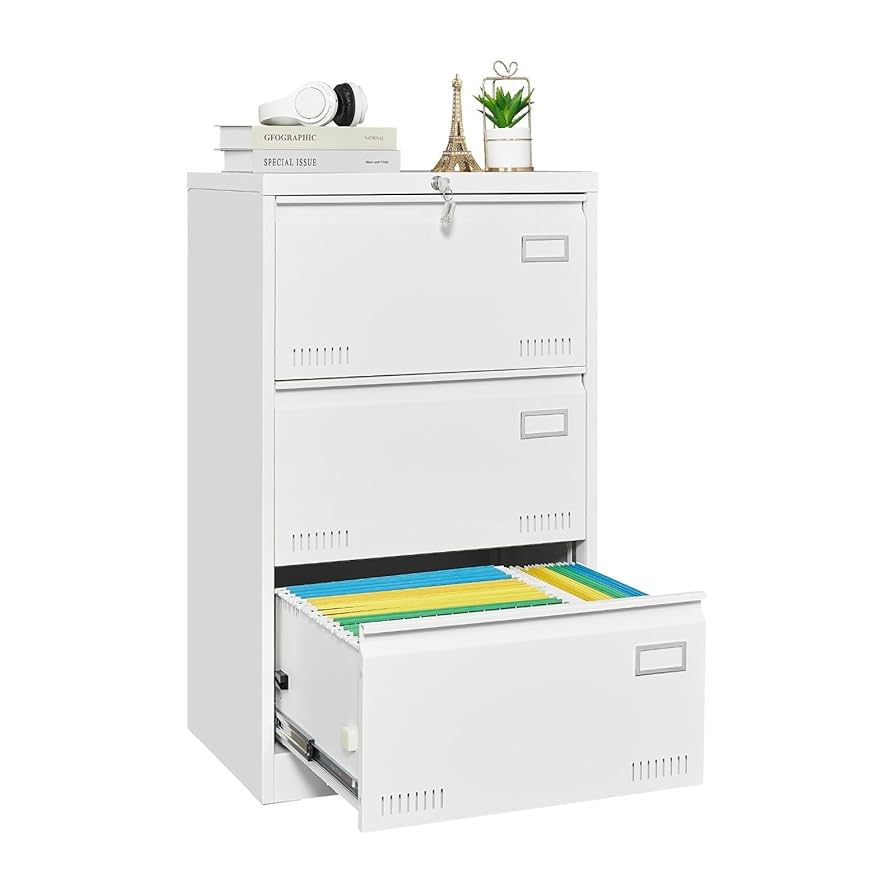
A lateral file cabinet is a type of office furniture designed for storing documents horizontally. It typically features wide drawers that extend from the longer side, allowing files to be placed side by side. This design maximizes storage space and provides easy access to documents.
Purpose Of A Lateral File Cabinet
Primarily, lateral file cabinets are used to organize paperwork and important documents systematically. They help reduce clutter and keep your workspace tidy. With their spacious drawers, these cabinets are perfect for storing large volumes of files, making them essential in busy office environments.
Imagine working in an office where you spend more time searching for files than actually working on them. A lateral file cabinet can change this scenario by offering a streamlined way to store and retrieve documents. Have you ever faced the frustration of misplaced files? This cabinet ensures everything is within reach and in order.

Credit: www.amazon.com
Design Features
Lateral file cabinets offer wide drawers for storing files side by side. They provide easy access and save space. These cabinets often come with adjustable shelves and can accommodate various file sizes. Ideal for office settings, they blend functionality with a sleek design.
Design features of a lateral file cabinet enhance its function and style. These cabinets are essential for organized, efficient workspaces. Their design ensures easy access and secure storage. Let’s explore the key design features that make lateral file cabinets a popular choice.Size And Dimensions
Lateral file cabinets come in various sizes. They usually range from two to five drawers. The width of these cabinets is greater than their depth. This design allows for side-by-side document storage. Most lateral cabinets fit standard and legal-size documents. This versatility suits different organizational needs. Their broad design makes them ideal for tight spaces.Material Options
Lateral file cabinets are made from different materials. Common choices include metal, wood, and laminate. Metal cabinets are durable and often used in offices. They resist wear and tear, lasting for years. Wood cabinets offer a classic, elegant look. They fit well in home offices or traditional settings. Laminate options are budget-friendly and easy to clean. Each material has unique benefits to consider.Locking Mechanisms
Security is a key feature of lateral file cabinets. Many come with built-in locking mechanisms. These locks protect sensitive documents from unauthorized access. Some cabinets have a central lock for all drawers. Others offer individual locks for each drawer. Both options enhance document security. Locks can be key-based or combination-style. Choosing the right lock depends on your security needs.Benefits In Office Settings
In office settings, a lateral file cabinet offers numerous benefits. It improves space efficiency, enhances organization, and simplifies document access. This makes it an essential piece of furniture for any workplace.
Space Efficiency
Lateral file cabinets make the best use of space. They are wide, not tall. This allows them to fit under desks or counters. They provide ample storage without taking up vertical space. You can store many files without cluttering the room. This keeps the office tidy and organized.
Organizational Advantages
These cabinets help maintain order. Each drawer can hold multiple rows of files. You can easily categorize documents by type or date. This makes finding files quick and painless. Labels on the drawers add an extra layer of organization. This ensures that everything is in its rightful place.
Ease Of Access
Accessing files is straightforward with a lateral file cabinet. The drawers extend fully. This allows you to see all contents at once. You don’t have to dig through piles to find a document. The wide design lets you reach files without straining. This saves time and boosts productivity.
Comparison With Vertical File Cabinets
Choosing the right file cabinet is crucial for office organization. Lateral and vertical file cabinets are popular options. Understanding their differences can help you decide which suits your needs.
Structural Differences
Lateral file cabinets are wider and shorter than vertical ones. They typically have drawers that extend from side to side. This design allows files to be stored horizontally. Vertical file cabinets are tall and narrow. Their drawers extend from front to back. This design stores files in a more upright position.
Lateral cabinets provide easy access to files. Their wide drawers allow for viewing several files at once. Vertical cabinets require pulling out deeper drawers. This makes accessing files a bit more cumbersome.
Usage Scenarios
Lateral file cabinets are ideal for larger spaces. Their wide design fits well in open areas. They are perfect for organizing multiple categories of files. Offices with large filing needs often use lateral cabinets.
Vertical file cabinets work well in smaller spaces. Their narrow design saves floor space. They fit easily into tight corners. Offices with limited space find vertical cabinets efficient. Both types serve different needs, but both enhance office organization.
Choosing The Right Cabinet
Choosing the right lateral file cabinet for your office is crucial. A well-selected cabinet can enhance organization and efficiency. It should meet your needs and fit within your budget. Consider the aesthetics and functionality to ensure it complements your workspace. Below are key factors to guide your decision.
Assessing Office Needs
Determine what you store in your cabinet. Is it documents, files, or supplies? Decide on the number of drawers required. If you handle large volumes, opt for spacious models. Measure available space to avoid overcrowding. Check if you need locking features for security. Evaluate how often you access the cabinet. Frequent use means durable construction is important.
Budget Considerations
Set a clear budget range. Lateral file cabinets vary in price. Consider long-term value over initial cost. Durable options may save money in repairs. Explore different materials like wood, metal, or laminate. Each material impacts price and longevity. Compare prices from various suppliers to get the best deal.
Aesthetic And Functionality
Consider how the cabinet fits into your office design. Choose colors and finishes that match existing decor. Sleek designs add a modern touch. Functionality should not be compromised for style. Ensure drawers slide smoothly and are easy to access. Look for features like adjustable shelves. These enhance usability and adaptability.
Maintenance Tips
A lateral file cabinet is a storage unit with wide drawers for documents. Keep the tracks clean for smooth drawer operation. Use gentle cleaning products to avoid damage to the finish.
Maintaining your lateral file cabinet extends its life and ensures smooth operation. Regular upkeep helps prevent issues and keeps your workspace organized. Proper maintenance involves cleaning and timely repairs. Let’s explore how to care for your cabinet effectively.Cleaning Guidelines
Dust accumulates quickly on cabinets. Use a soft, damp cloth to wipe surfaces. Avoid harsh chemicals; they can damage the finish. For stubborn dirt, a mild soap solution works well. Don’t forget the handles and edges; they collect grime over time. Vacuum inside drawers to remove paper shreds. This keeps the cabinet looking fresh and clean.Repair And Upkeep
Loose handles and hinges need tightening. Check them regularly to ensure functionality. If drawers stick, inspect the sliders for debris or damage. Lubricate them with silicone spray for smooth movement. Broken locks or keys require professional repair. Prevent rust by keeping the cabinet dry. A well-maintained cabinet lasts longer and performs better. Regular attention to these details saves you from costly repairs.Popular Brands And Models
When you’re seeking to optimize your office space, choosing the right lateral file cabinet can be a game changer. Popular brands offer a variety of models that blend functionality with style, ensuring you find a cabinet that suits your needs perfectly. Whether you’re looking for durability or aesthetic appeal, there’s a model out there for you.
Features To Look For
- Durability: A robust build ensures your files are safe and the cabinet lasts for years.
- Locking Mechanism: Security is crucial, especially for sensitive documents.
- Size and Capacity: Consider the space available in your office and the volume of files you need to store.
- Material: Steel is often preferred for durability, while wood offers a more classic look.
Imagine finding a cabinet that not only fits perfectly in your space but also complements your office decor. This balance is key when considering features.
Customer Reviews
Reading customer reviews can offer valuable insights into the usability and longevity of a product. Reviews often highlight real-world experiences, such as ease of assembly or how well the drawers function after years of use. You might find that the model you’re considering has rave reviews for smooth drawer operation or excellent customer service.
Have you ever purchased something based solely on reviews? It’s fascinating how shared experiences can guide you toward the perfect choice.
Ultimately, choosing a lateral file cabinet is about finding the right balance between functionality and design. Do you prioritize aesthetic appeal or long-lasting durability? By considering popular brands and models, you can make a choice that enhances your workspace. Dive into customer reviews and features to ensure your selection meets all your needs.

Credit: www.bushbusinessfurniture.com
Frequently Asked Questions
What Is The Difference Between A Lateral And Vertical File Cabinet?
Lateral file cabinets store files horizontally and are wider, while vertical file cabinets store files vertically and are taller. Lateral cabinets are suitable for larger spaces, whereas vertical cabinets fit compact areas. Both types offer secure file storage solutions, but differ in orientation and space efficiency.
What Are The Disadvantages Of Lateral Filing?
Lateral filing can be space-consuming and may require more time to locate documents. Files can easily become disorganized. Accessing lower shelves might be uncomfortable. It may demand more physical effort to retrieve documents. This system can be less efficient for high-volume filing needs.
What Is A Lateral Cabinet?
A lateral cabinet is a storage unit with wide, horizontal drawers. It’s ideal for organizing documents and files efficiently. These cabinets maximize space and provide easy access to contents. Perfect for offices, they offer a sleek design and practical storage solution.
What Are The Three Types Of Filing Cabinets?
There are three types of filing cabinets: vertical, lateral, and mobile. Vertical cabinets are tall and deep. Lateral cabinets are wider and shallower. Mobile cabinets have wheels for easy movement.
Conclusion
A lateral file cabinet offers efficient storage for documents. It fits neatly in many spaces, making organization easy. Its wide drawers allow for quick access to files. Ideal for offices and homes, it maximizes space. Choose a style that suits your decor.
Consider material and size for your needs. A lateral file cabinet can streamline your filing system. Keep your important papers safe and in order. Investing in one ensures a clutter-free environment. Perfect for maintaining an organized workspace. Enjoy the convenience it brings to daily tasks.


