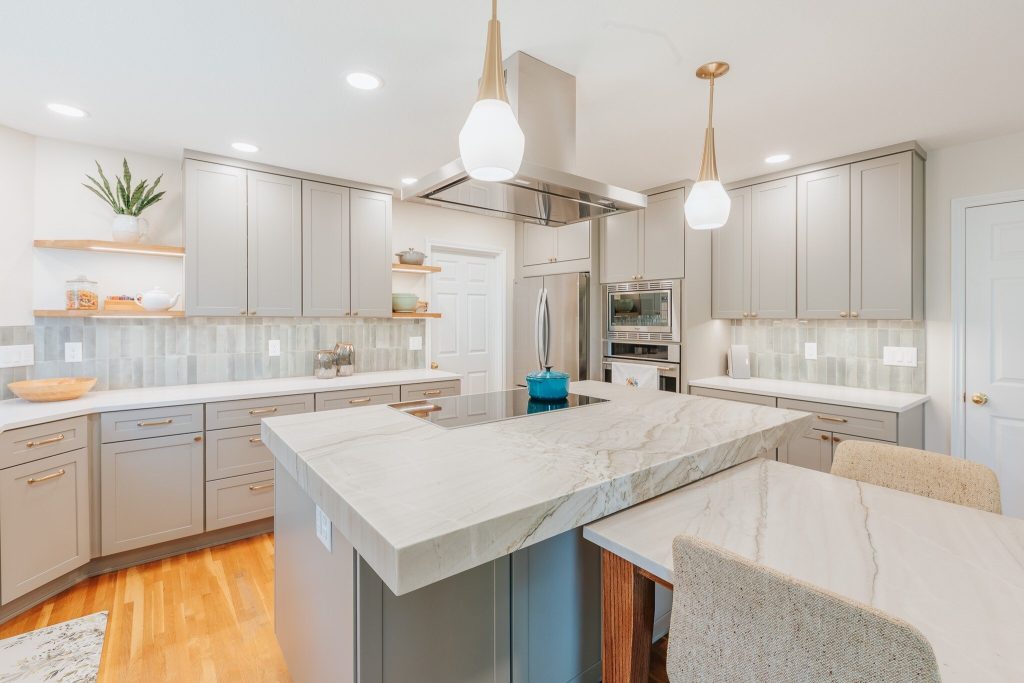
Are you dreaming of adding a kitchen island to your home but unsure how much space you need? You’re not alone.
Many homeowners find themselves puzzled by this very question. A kitchen island can transform your cooking space, offering additional storage, seating, and even a focal point for social gatherings. But, getting the space just right is crucial. Too big, and your kitchen feels cramped; too small, and you miss out on its full potential.
We’ll guide you through the essentials of determining the perfect size for your kitchen island, ensuring it enhances both the functionality and aesthetics of your space. Keep reading to discover how to make the most of your kitchen layout, without sacrificing style or efficiency.
Kitchen Island Basics
The kitchen island is more than just a countertop. It serves as a central hub for cooking, dining, and socializing. Knowing how much space you need for a kitchen island is crucial. It ensures functionality and comfort in your cooking area.
Understanding The Basics Of Kitchen Island Space
Start with your kitchen size. A larger kitchen allows for a more spacious island. Measure the area to ensure the island fits well without overcrowding.
Standard Dimensions For Kitchen Islands
Typically, kitchen islands are 4 feet long. Width varies, but 2 to 3 feet is common. This size provides ample workspace and seating options.
Allowing Adequate Clearance Around The Island
Leave at least 3 feet of space around the island. This clearance allows easy movement and access to other kitchen areas.
Considerations For Seating And Functionality
If adding seating, add extra space. Typically, 2 feet per person is ideal. This ensures comfort and ease of use.
Adapting The Island To Your Kitchen’s Layout
Consider your kitchen’s layout. An island should complement the flow and design of the space. Adjust the size and shape to fit seamlessly.
Maximizing Storage And Utility
Incorporate storage solutions within the island. Drawers, cabinets, and shelves add functionality. A well-designed island enhances kitchen efficiency.

Credit: in-form-design.com
Space Requirements
Creating a kitchen island involves understanding the right amount of space needed. The island serves as a versatile focal point. It enhances both the functionality and aesthetics of your kitchen. Proper space planning ensures efficiency and comfort. Let’s explore the essential space requirements for a kitchen island.
Minimum Clearance Around The Island
Ensure at least 36 inches of clearance around the island. This allows easy movement and access. It also prevents crowding in the kitchen area.
Optimal Island Size
An island should be at least 4 feet long and 2 feet deep. This size provides enough space for cooking and dining activities. It fits well in most kitchen layouts.
Consideration For Seating
If you want seating, plan for extra space. Allocate 24 inches of width per stool for comfort. This ensures ample room for diners to sit and move.
Distance To Appliances
Keep major appliances within 3 to 4 feet of the island. This layout promotes easy access. It streamlines meal preparation and cooking tasks.
Walkway Space
Maintain at least 42 inches of walkway space for a single cook. For multiple cooks, increase the space to 48 inches. This reduces collisions and ensures smooth operation.
Height Considerations
The standard height for an island is 36 inches. This matches most countertops. For a bar-height island, consider 42 inches.
Shape And Design Flexibility
Islands come in various shapes, like rectangular or L-shaped. Choose one that fits your kitchen’s layout. It should complement your kitchen’s design and style.
Design Considerations
Calculating the right space for a kitchen island involves considering kitchen size and layout. Ensure there is enough room for movement and seating. Adequate clearance around the island is crucial for functionality and safety.
Designing a kitchen island requires thoughtful planning. It’s not just about aesthetics. Functionality and space are key factors. A well-designed island enhances your kitchen’s usability. It can serve multiple purposes. Cooking, dining, and storage all benefit. Below, explore essential design considerations.
Consider The Kitchen Layout
The kitchen layout impacts island size. Open kitchens offer more flexibility. Small kitchens need compact islands. Measure your space carefully. Ensure enough room to move around. A cramped kitchen is less enjoyable.
Space For Movement
Movement around the island is crucial. Allow at least 36 inches of clearance. This space ensures easy navigation. Larger kitchens can have more space. More room allows for multiple cooks. It also enhances safety.
Functionality And Purpose
Define the island’s purpose. Will it be for cooking or dining? Maybe both? Cooking islands need appliances. Dining islands need seating. Storage is another consideration. Cabinets and drawers can maximize space. Seating options depend on island size. Bar stools are popular choices. Allow 24 inches per stool for comfort. Ensure there’s room to push back. This prevents crowding.
Lighting And Power Outlets
Good lighting is essential. Install pendant lights above the island. They provide focused illumination. Consider power outlets for appliances. This adds convenience for cooking.
Material And Finish
Choose materials that match your kitchen. Granite and quartz are durable. Wood offers warmth and charm. Consider maintenance and durability. The finish should complement the décor. Each element plays a vital role. Thoughtful design can transform your kitchen.

Credit: startathomedecor.com
Functional Features
Determining the right space for a kitchen island involves considering room size and layout. Ensure enough room for movement and seating. Adequate space enhances functionality and flow.
Functional features of a kitchen island can make or break the functionality and aesthetics of your kitchen. A well-designed island doesn’t just offer extra counter space; it can enhance your kitchen’s efficiency and style. Whether you’re a seasoned chef or a casual cook, understanding the essential functional features of a kitchen island is crucial. A kitchen island can be a game-changer when it comes to storage. Consider integrating deep drawers for pots and pans, or shelves for your cookbooks. Do you often find yourself struggling to find space for your utensils? Adding pull-out trays or built-in racks could be your answer. Seating at your kitchen island can transform it into a social hub. Think about how many guests you typically host and choose seating accordingly. Whether it’s a couple of bar stools for casual breakfasts or a full setup for entertaining, your island can cater to your lifestyle.
Appliance Integration
Integrating appliances into your kitchen island can streamline meal preparation. Have you ever wished for an extra sink or a built-in microwave? Placing them in the island can enhance your workflow, making cooking more enjoyable and efficient.
Work Surface Options
The surface of your kitchen island can influence its functionality. If you love baking, a marble countertop might be ideal for rolling dough. Alternatively, a butcher block top can be perfect for chopping and preparing ingredients. What surface best suits your cooking needs?
Lighting Considerations
The right lighting can accentuate your kitchen island’s features. Pendant lights not only add style but also provide focused illumination for tasks. Do you prefer a bright workspace or a cozy, ambient glow? Choose lighting that complements your kitchen’s vibe. By focusing on these functional features, your kitchen island can become the centerpiece of your culinary adventures. Whether it’s storage, seating, or specialized surfaces, each element should reflect your personal cooking style and household needs. So, what will you prioritize in your kitchen island design?
Traffic Flow
Ensuring smooth traffic flow in the kitchen is crucial for functionality. A kitchen island typically requires at least 36 inches of clearance around it. This space allows people to move freely and ensures easy access to appliances and cabinets.
Traffic flow is a crucial aspect of kitchen design. A well-planned space ensures smooth movement. It prevents congestion during cooking or social gatherings. A kitchen island can impact this flow. Proper spacing around the island is essential.
Understanding Traffic Flow
The kitchen is a busy area. People move around constantly. Cooking, cleaning, and socializing happen here. Ensuring easy movement is vital. Consider how people use the space. Think about common pathways and activities.
Recommended Clearance Space
Leave enough room around the island. Experts suggest at least 36 inches. This allows comfortable passage. It prevents bumping into counters or people. More space might be needed in high-traffic kitchens. It ensures everyone moves freely.
Pathway Planning
Identify key pathways in your kitchen. Between the sink, stove, and refrigerator are common routes. Ensure these are unobstructed. Plan the island’s placement wisely. Avoid blocking essential paths. This helps maintain smooth traffic flow.
Considerations For Larger Kitchens
Larger kitchens offer more flexibility. You may need extra clearance. Allow at least 48 inches if space permits. This provides generous room for movement. It accommodates multiple people comfortably. It also enhances the kitchen’s overall usability.
Impact Of Appliances And Cabinets
Appliances and cabinets affect traffic flow. Open cabinet doors take up space. So do dishwashers and ovens. Account for these when planning. Ensure doors open without obstructing paths. This prevents inconvenience and accidents.
Balancing Functionality And Aesthetics
Both function and style matter in kitchen design. Choose an island that complements your space. Ensure it fits without compromising movement. Consider the island’s shape and size. Balance its aesthetic appeal with practical needs.
Storage Solutions
Determining the space needed for a kitchen island involves considering available floor area and island dimensions. Ideal islands allow for comfortable movement and workflow, typically requiring at least 42 inches of clearance on all sides. Tailor the size to suit your kitchen layout and cooking needs.
When planning a kitchen island, storage is key. An island can offer smart solutions for organizing your kitchen essentials. By integrating storage into your island, you can maximize space and improve functionality.
Utilize Cabinet Space
Cabinets beneath the island provide ample storage. They are perfect for larger items. Pots, pans, and small appliances fit well here. Keep your kitchen tidy by storing these items out of sight.
Incorporate Drawers
Drawers are ideal for utensils and smaller items. They make accessing frequently used items easy. Consider adding dividers for better organization. This keeps everything in its place and easy to find.
Add Open Shelves
Open shelves create a stylish, accessible storage option. Display your favorite dishes or cookbooks here. This solution adds personality to your kitchen. It also keeps essentials within easy reach.
Consider Pull-out Shelves
Pull-out shelves offer convenience and accessibility. They allow you to reach items at the back easily. This feature is great for storing pantry items. It keeps your kitchen organized and efficient.
Integrate Wine Racks
Wine racks can be a chic addition to your island. They provide storage for wine bottles in a compact space. This feature adds elegance to your kitchen. It’s practical for wine enthusiasts or hosts.
Use Hooks And Rails
Hooks and rails on the island’s side add functionality. Hang towels, mugs, or cooking tools here. This solution saves drawer space and keeps items handy. It’s perfect for busy kitchens.
Seating Arrangements
Selecting the right kitchen island size involves considering space for seating. Allow at least 24 inches per person for comfort. Ensure sufficient clearance around the island to avoid crowding and maintain accessibility.
Seating arrangements around your kitchen island can transform the space from a simple cooking area to a lively social hub. The design and space you dedicate to seating can significantly impact the island’s functionality and the overall ambiance of your kitchen. Whether you’re hosting a casual brunch or a formal dinner, the right seating setup can make all the difference.
Consider The Number Of Seats
The first step in planning seating arrangements is determining how many people you want to accommodate. A general rule is to allocate 24 to 30 inches of space per seat. This ensures ample elbow room and comfort for each person. So, if you regularly entertain a group of six, your island should ideally be at least 12 feet long.
Choose The Right Type Of Seating
Stools or chairs? The choice depends on your kitchen’s style and your comfort preference. Stools are great for a modern look and can be tucked under the island when not in use, saving space. Chairs, on the other hand, offer more support and are perfect for longer seating sessions.
Height Matters
Ensure your seating matches the height of your island. Bar stools are suitable for higher countertops, while counter stools are better for standard-height islands. This detail can greatly enhance comfort and usability.
Think About Traffic Flow
Leave enough space behind the seats for easy movement. A clearance of 36 to 48 inches is ideal for people to walk comfortably, even when someone is seated. This consideration helps maintain a functional and inviting kitchen environment.
Integrate Multi-functional Features
Why not make your seating area more versatile? Consider adding a built-in bookshelf or storage under the seating. This not only optimizes space but also adds a unique touch to your kitchen.
Personal Experience: Finding Balance
When I renovated my kitchen, I underestimated the importance of seating arrangement. After adjusting my plans to include more space per seat and choosing the right stools, my kitchen island became the family’s favorite gathering spot. It reminded me that thoughtful planning can truly elevate everyday experiences. How does your current kitchen island seating measure up? Maybe it’s time for a little revamp to make your kitchen the heart of your home.
Lighting Options
Consider lighting that complements the size of your kitchen island. Pendant lights offer focused illumination, enhancing both style and functionality. Adequate spacing ensures optimal light coverage, creating a welcoming and efficient workspace.
Lighting Options Choosing the right lighting for your kitchen island is essential. It can affect both the look and function of your space. Proper lighting makes tasks easier and adds to the overall design.
Ambient Lighting
Ambient lighting provides general illumination. It helps create a warm and inviting atmosphere. Consider ceiling-mounted fixtures for a balanced light spread.
Task Lighting
Task lighting is crucial for food preparation. It gives focused light on specific areas. Pendant lights are a popular choice for this purpose.
Accent Lighting
Accent lighting highlights specific features. It can draw attention to decorative elements. Under-cabinet lights work well for this style.
Decorative Lighting
Decorative lighting adds style and personality. Choose fixtures that complement your kitchen design. Chandeliers or artistic pendants can enhance aesthetics.
Material Choices
Selecting the right materials for your kitchen island is crucial. Durable options like granite or quartz offer lasting beauty. Consider wood for a warm touch. Each choice impacts the island’s functionality and style.
Material choices for a kitchen island are crucial. They influence the look and durability. Picking the right material ensures the island serves its purpose. Consider factors like maintenance, aesthetics, and cost. Here, we explore popular material options.
Granite
Granite is a durable and beautiful choice. It withstands heat and scratches well. Each slab is unique with natural patterns. Maintenance is simple with regular sealing.
Quartz
Quartz offers a sleek, modern look. It’s non-porous, resisting stains and bacteria. It requires no sealing, making it low maintenance. Available in many colors and patterns.
Wood
Wood adds warmth and character. It’s softer on dishes and glassware. Regular oiling keeps it looking fresh. Perfect for rustic or traditional kitchens.
Marble
Marble is elegant and timeless. It has a cool surface, ideal for baking. It can stain easily, needing careful maintenance. Its classic look suits luxury kitchens.
Stainless Steel
Stainless steel is modern and hygienic. It’s resistant to heat and stains. Great for a contemporary kitchen design. Shows fingerprints, needing regular cleaning.
Concrete
Concrete offers a unique, industrial vibe. It’s customizable with color and texture. Needs sealing to prevent stains. Durable and long-lasting with proper care.
Laminate
Laminate is budget-friendly and versatile. Available in many colors and patterns. Easy to clean and maintain. Less durable than other materials, but cost-effective. Choosing the right material depends on your kitchen needs. Consider durability, cost, and style. The perfect material enhances your kitchen island’s function and beauty.
Budgeting Tips
Determine the space needed for a kitchen island by measuring the area around it. Allow at least 42 inches for pathways to ensure comfortable movement. Consider appliance placement and seating needs for optimal functionality.
Budgeting Tips for Your Kitchen Island When considering adding a kitchen island, budgeting is crucial. Not only do you need to think about the cost of materials and installation, but also about any unexpected expenses that might arise. It’s easy to get carried away with designs and features, but staying within your budget can save you from financial stress.
Research Material Costs
Understanding the cost of materials can help you avoid surprises. Compare prices for different countertops and cabinetry. Sometimes opting for a less expensive material can give a similar look without breaking the bank.
Plan For Installation Expenses
Installation isn’t just about placing the island; it involves plumbing and electrical work if you’re adding a sink or outlets. Get multiple quotes from contractors to ensure you’re getting a fair price.
Consider Diy Options
If you’re handy, building your own kitchen island could save money. There are plenty of tutorials available online. Just ensure you have the necessary tools and skills to complete the project safely and correctly.
Factor In Hidden Costs
Don’t forget about potential hidden costs such as delivery fees, taxes, or additional tools needed for DIY. These can add up quickly, so it’s wise to list them out during the planning phase.
Think About Long-term Investment
A kitchen island can increase the value of your home. Consider how much you’re willing to invest now for a potential return later. Is it worth spending a bit more on quality materials? Are you ready to tackle your kitchen island project with these budgeting tips in mind? By focusing on material costs, installation expenses, and potential hidden fees, you can manage your budget effectively.
Credit: myfixituplife.com
Frequently Asked Questions
Can You Put An Island In A 10×10 Kitchen?
Yes, you can fit an island in a 10×10 kitchen. Ensure at least 36-42 inches of clearance around it for movement. Choose a compact design to maintain space efficiency and functionality. Consider the kitchen layout and workflow to avoid crowding.
What Is The 3×4 Kitchen Rule?
The 3×4 kitchen rule prioritizes efficiency by ensuring three main work areas fit within a four-step triangle. This design maximizes space, enhances functionality, and promotes seamless workflow. It’s a popular layout strategy for optimizing kitchen usability and ensuring everything is within easy reach.
Is 36 Enough Space Around A Kitchen Island?
A 36-inch clearance around a kitchen island offers minimal space. Ideally, aim for 42 to 48 inches for better comfort and functionality. This ensures easy movement and accessibility, enhancing the kitchen’s usability. Adequate space is crucial for efficient kitchen workflows and maintaining a pleasant cooking environment.
Is 5 Feet Too Much Space Between Island And Counter?
5 feet between the island and counter is ideal for comfortable movement. This space allows easy access and flow. Ensure the layout suits your kitchen’s needs and enhances functionality. Consider factors like appliance doors and seating for optimal design.
Conclusion
Choosing the right kitchen island size is important. It ensures comfort and functionality. Measure your space carefully. Think about your needs. Do you cook a lot? Host parties often? A larger island might suit you. For smaller kitchens, a compact island works best.
Remember, you need space around it too. Walk freely, open drawers easily. Consider seating options. Stools, chairs, or none at all. The right island enhances your kitchen’s style. It brings everything together. So, take time to plan. Make the most of your kitchen space.
Enjoy cooking and gathering around your perfect island.


